CM Orders C&D Waste Action, Takes Up Gurugram Civic Grievances
GURUGRAM: Construction debris, neighbourhood infrastructure and disputes over residential electricity supply came under direct review at a district grievance meeting chaired by Haryana Chief Minister Nayab Singh Saini, who said cleanliness and planned development must remain central to Gurugram's growth.
The meeting dealt with 15 public grievances. Officials said 13 were resolved on the spot, while two were kept pending for further examination. On-the-spot disposal can speed up relief, but the more important test will be whether the directions translate into visible work and whether the pending matters return with clear action reports.
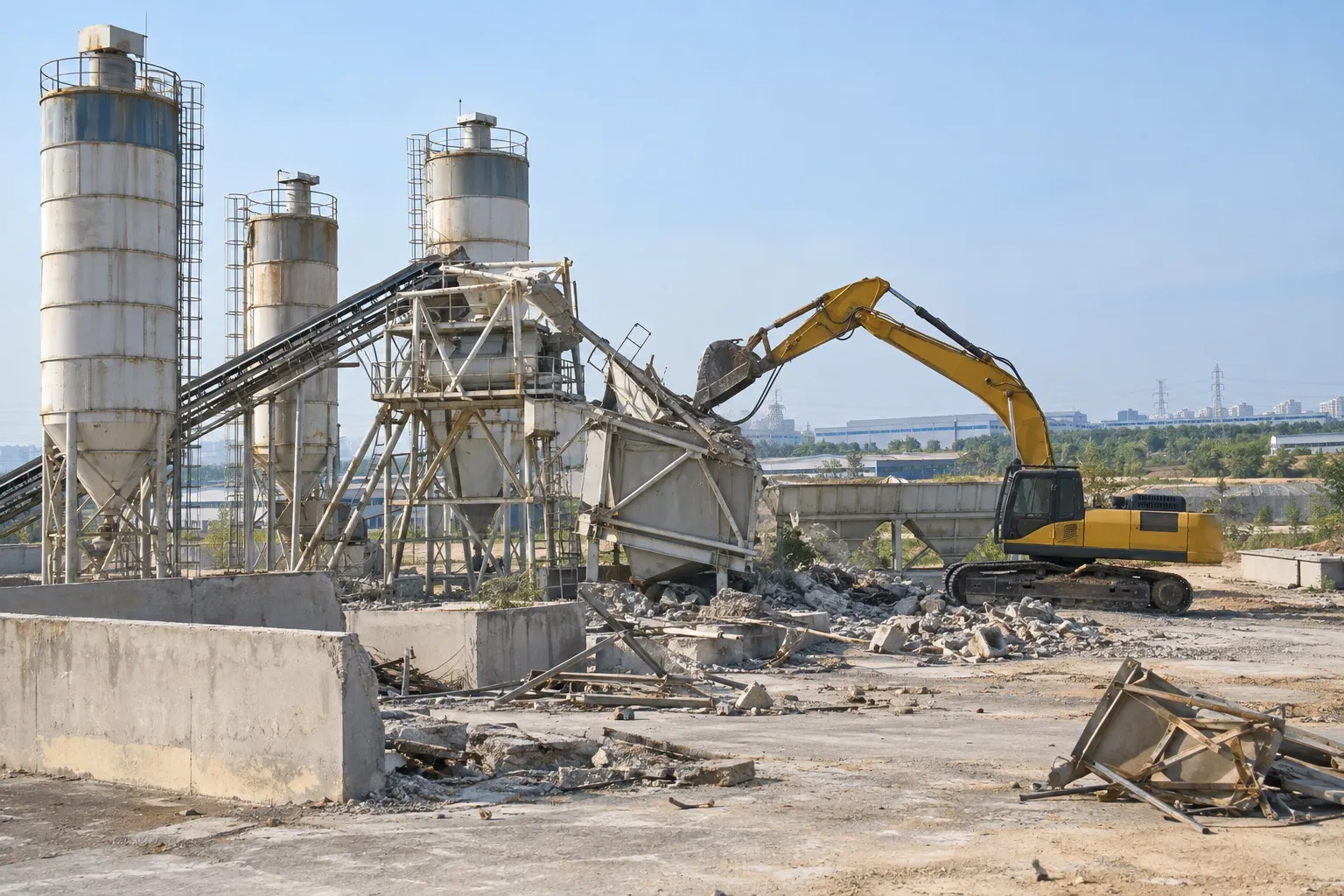
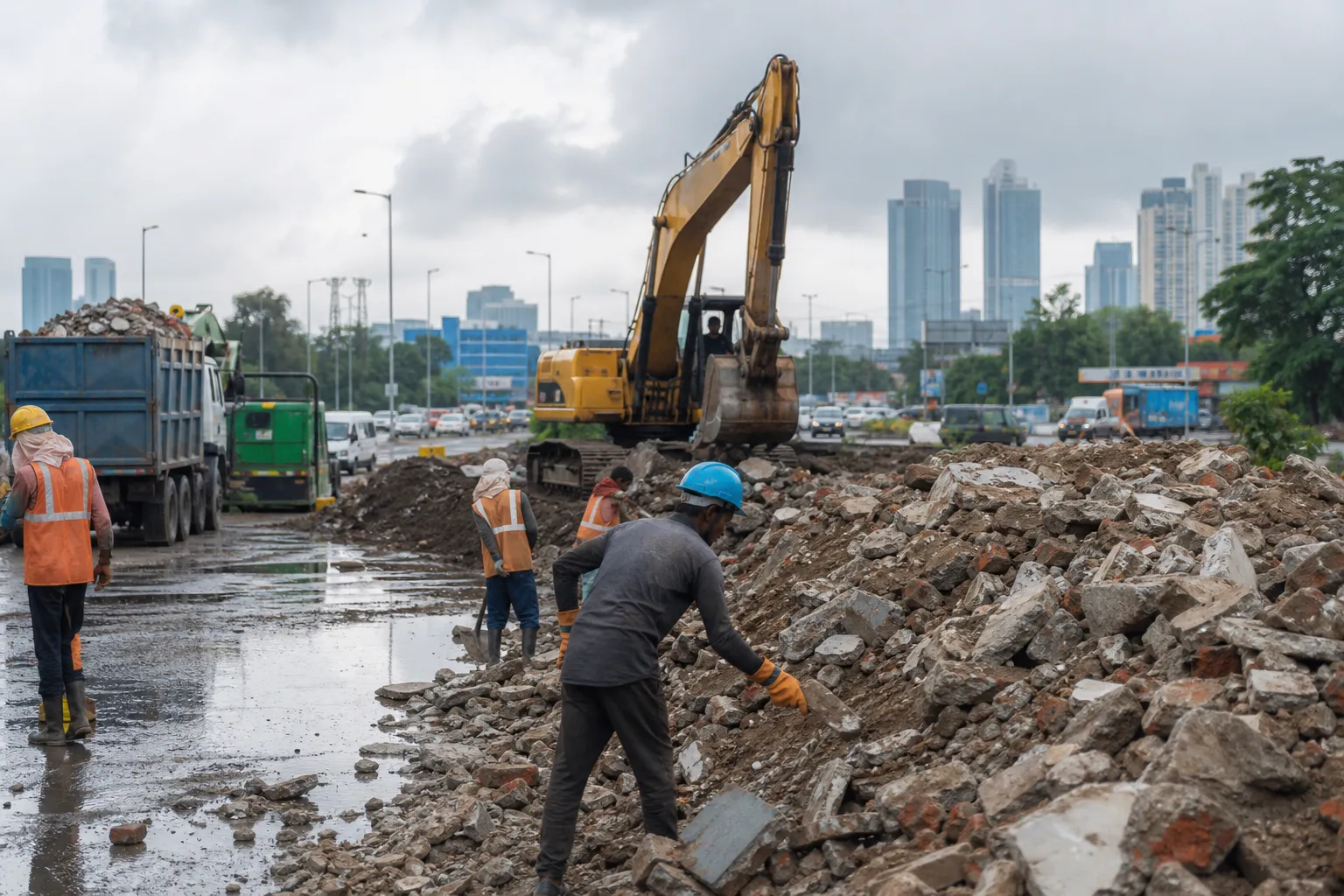
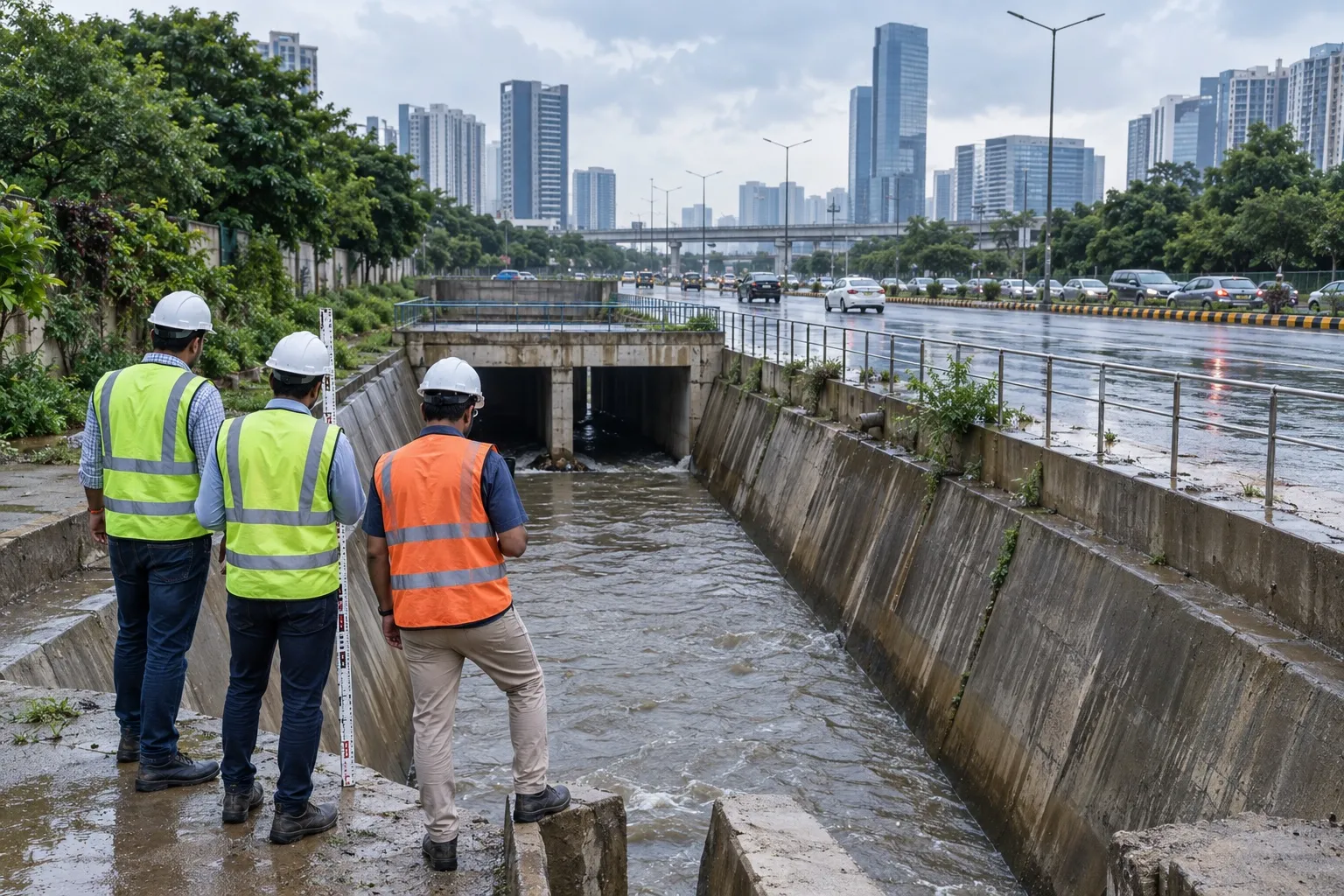
A major instruction concerned construction and demolition waste, one of the city's most persistent roadside problems. The chief minister directed agencies to ensure scientific disposal rather than allow broken concrete, bricks, soil and other debris to accumulate on vacant plots or road shoulders. Such dumping narrows carriageways, blocks drains during rain and often becomes a base for mixed municipal waste.
Scientific handling requires more than lifting a pile after a complaint. Debris has to be collected separately, transported without spilling, processed where possible and disposed of at an authorised site. Enforcement also needs to cover contractors and bulk waste generators, not only small vehicles caught at informal dumping points.
Residents of Wazirpur Enclave, within the Municipal Corporation of Manesar area, also raised shortages in power infrastructure and basic amenities. Their complaint underlined a familiar gap in rapidly urbanising neighbourhoods: regularisation or inclusion in a civic boundary does not immediately deliver dependable roads, drains, streetlights or utility capacity. The administration has been asked to address the deficiencies placed before the committee.
The meeting also produced a clear direction on electricity disputes in private developments. Builders were told not to disconnect a resident's power supply to recover contested maintenance dues. Electricity cannot be used as leverage in a disagreement over non-power charges; those claims must follow the appropriate contractual and legal process. The direction does not erase legitimate maintenance bills, but separates their recovery from access to an essential service.
For residents, that distinction is significant because a power cut can turn an accounting dispute into an immediate safety and habitability crisis, particularly in high-rise housing dependent on lifts, pumps and access systems. Officials will now need to ensure that complaints are recorded quickly and that unlawful disconnections, if established, draw action.
Saini framed planned development as a state priority for Gurugram. The city's next measure of progress, however, will be operational: cleaner construction sites, fewer debris-choked drains, stronger amenities in Wazirpur Enclave and a grievance system that follows an order through to completion.
Sources and reporting
Based on directions recorded during the Gurugram district grievance meeting chaired by the Haryana chief minister, checked on 1 August 2026.
Related Stories

AISA’s Azamgarh meeting calls for teachers, laboratories and libraries
ABVP’s DUSU manifesto puts student housing and academic services on the campaign agenda

AP TET 2026 results released; check the correct examination cycle
Supreme Court Sets January 1 Deadline to Vacate Unsafe Chintels Flats
Human Rights Panel Orders Citywide Audit of Gurugram Drains