
GURUGRAM: Chief Minister Nayab Singh Saini has directed district police to identify, impound and heavily fine vehicles that bring garbage from Delhi into Gurugram for dumping, officials said after Friday's development review at the local PWD Rest House.
Citizen complaints cited in the review described dumpers arriving late at night around Bajghera, Sector 21, Wazirabad and Carterpuri village. The Chief Minister said Gurugram should not be treated as an outside dumpyard and asked departments to coordinate night patrols and checkpoint checks so inter-state waste cannot be offloaded on open plots.
The direction sits beside, but is not the same as, the Municipal Corporation's 10-day GVP Mukt Abhiyan to clear 21 garbage vulnerable points inside the city (https://dalimss.news/articles/cm-gvp-mukt-abhiyan-21-garbage-points). One track is hotspot cleaning; the other is stopping trucks that allegedly haul waste across the border after dark.
On Bandhwari, Municipal Commissioner Pradeep Dahiya informed the meeting that legacy-waste disposal is targeted for completion by the end of February 2027, ahead of the formal end-March 2027 deadline. The Chief Minister asked agencies to keep daily monitoring so the earlier target does not slip once monsoon and peak festival waste loads hit.
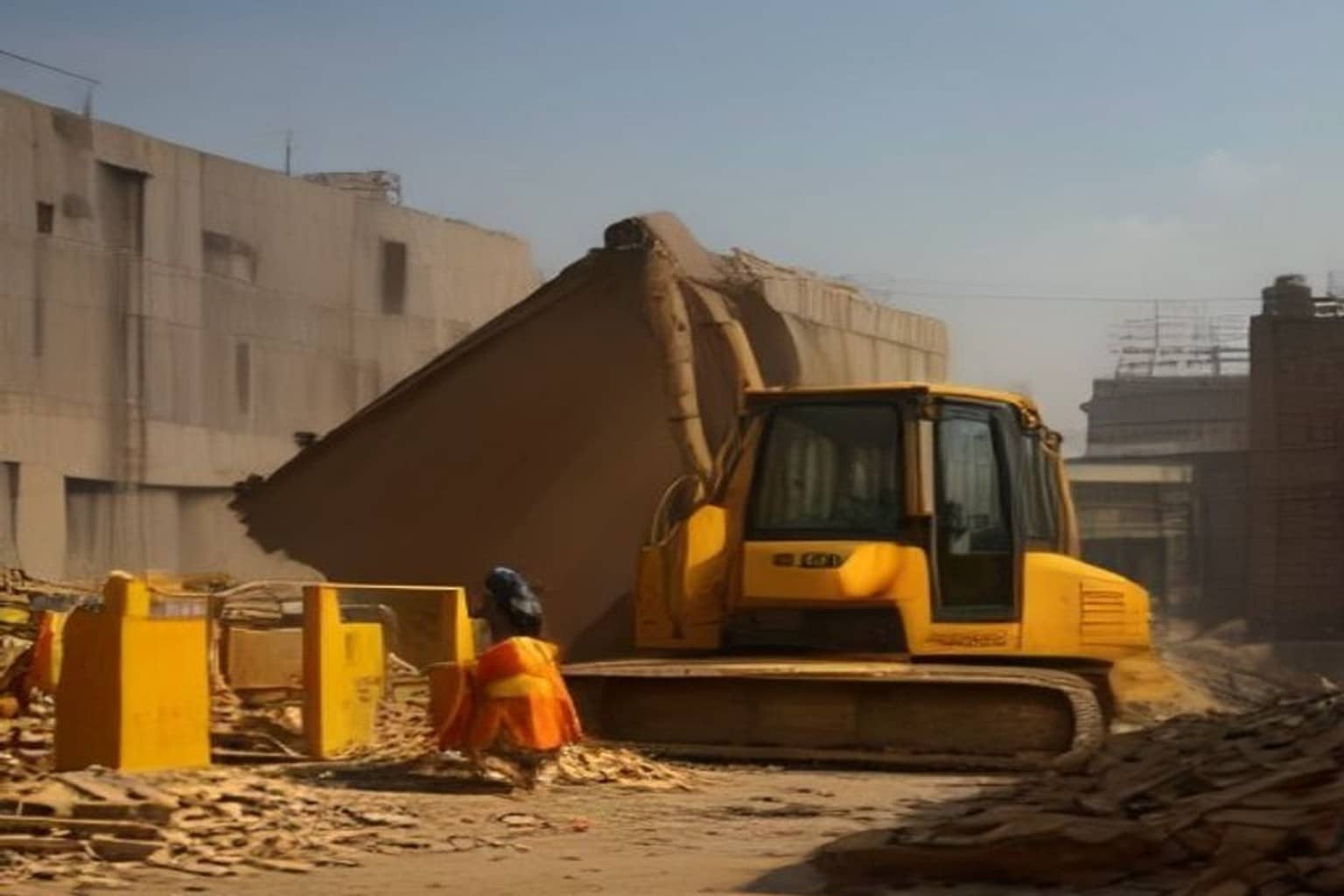
Construction and demolition waste drew a separate warning. Saini called C&D debris a serious cleanliness and environment challenge and directed that collection and disposal systems be tightened, with official accountability linked to annual confidential reports. The municipal commissioner said the C&D management system would be strengthened within seven days of the review.
Night dumping thrives where open plots meet weak fencing and thin police presence after midnight. Bajghera, Sector 21, Wazirabad and Carterpuri share that fringe geography. Mapping exact tip spots with GPS pins from ward staff would help nakas more than a generic citywide order.
Heavy fines need a clear challan head and a towing chain that can hold dumpers overnight. If seized vehicles are released the next morning without prosecution paperwork, the same fleets return. The Chief Minister's language on heavy penalties only works if courts and police stations complete follow-up.
What enforcement will look like on the ground
Police already run large vehicle-seizure drives for other violations, including the recent no-number-plate impound sweep (https://dalimss.news/articles/police-impound-1028-no-number-plate). Extending night surveillance to waste dumpers will need shared spot lists from MCG ward staff, not only highway nakas. Residents near Bajghera and Carterpuri who film midnight tippers should pass clips to the local police station with vehicle numbers rather than only circulating them on neighbourhood groups.
Winter air planning already ties fuel and pollution checks to seasonal controls (https://dalimss.news/articles/no-puc-no-fuel-gurugram-winter-air-plan). Open burning of dumped waste on fringe plots undercuts those controls. The Chief Minister's Friday brief also stressed proactive waste collection inside the city so mounds do not rebuild after the GVP drive ends.
Industries minister Rao Narbir Singh, area MLAs and senior officers including Chief Principal Secretary Rajesh Khullar, GMDA CEO P.C. Meena and Municipal Commissioner Pradeep Dahiya were among those present. The review also covered city bus route maps, ready-mix concrete plant zoning and the larger water-supply channel undergrounding plan, but the garbage-vehicle order is the enforcement piece residents on the Delhi edge will feel first.
No overnight miracle should be read into the order. Impound powers work only if check posts are staffed after midnight and if MCG can prove origin and ownership when a seized dumper is produced. Heavy fines without consistent night duty will not change the Bajghera pattern.
Official civic service and complaint channels remain on https://www.mcg.gov.in/, with district notices on https://gurugram.gov.in/. Police station jurisdiction maps are on https://haryanapolice.gov.in/. Readers should note the date of the review (2 October) when tracking whether night seizures actually rise in the following weeks.
What is firm now is the Chief Minister's direction to impound and fine vehicles bringing Delhi waste into Gurugram, the named complaint pockets, the Bandhwari end-February 2027 legacy-waste target stated by the municipal commissioner, and the seven-day C&D system-strengthening assurance. Field results will show in seizure logs, not in the meeting minutes alone.
Bandhwari's legacy-waste clock is separate from inter-state dumping, yet both feed the same public anger about smell, smoke and leachate. Hitting end-February 2027 on legacy waste while fresh Delhi loads still arrive would leave residents with a half-win.
C&D debris from tower construction often mixes with municipal wet waste when contractors dodge designated collection points. Linking official ACRs to C&D performance is meant to stop that shrug. Seven days is a short window to show new collection routes and weighbridge logs.