BHU Workshop Asks Students to Treat Alcohol Harm as a Health Issue
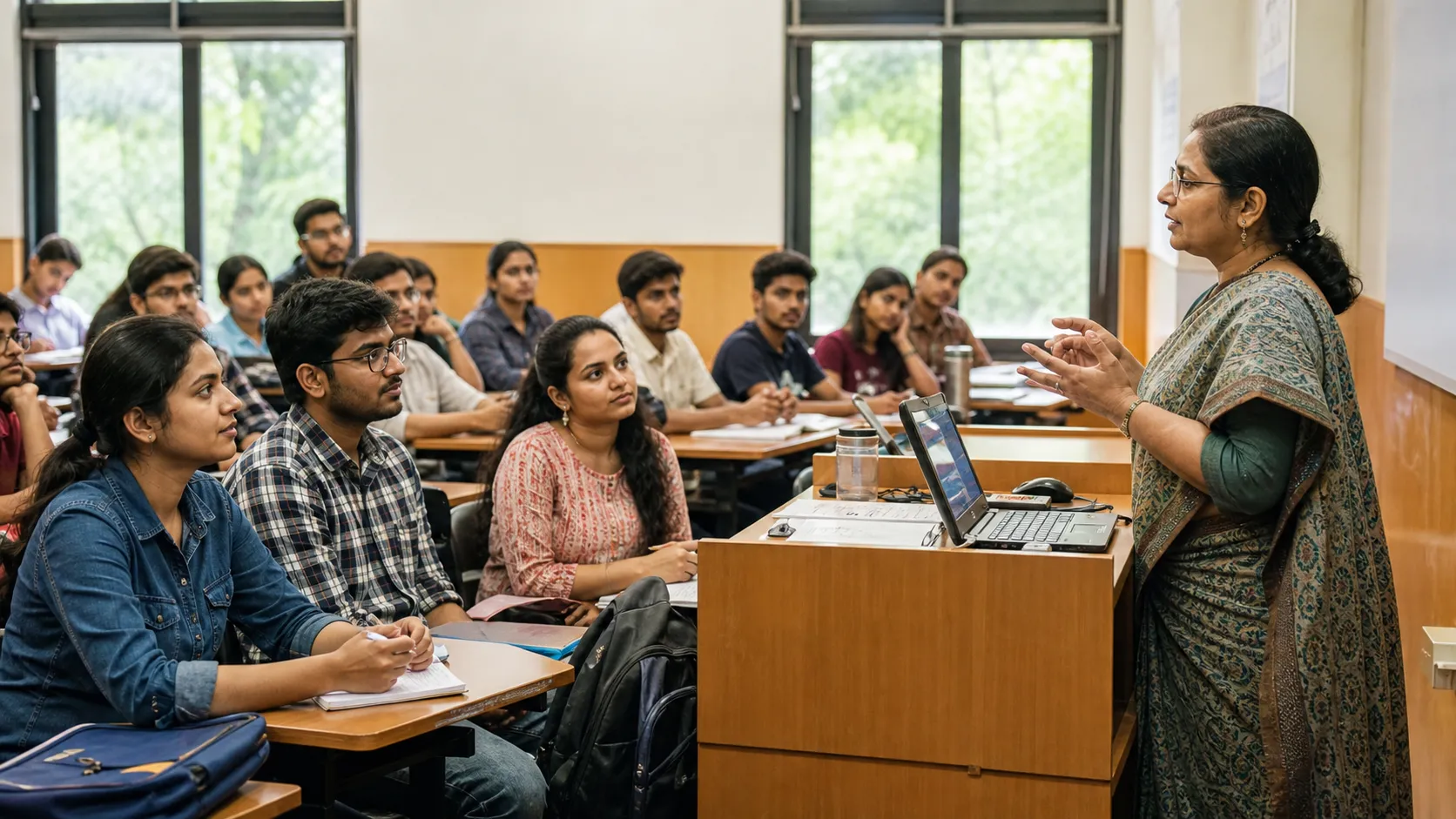
A workshop at Banaras Hindu University has urged young people to look at alcohol misuse as a health and support issue, not merely a question of discipline. The session, held in the Department of Journalism and Mass Communication, focused on preventing alcohol-related harm among students and encouraging practical, healthier alternatives.
BHU Registrar Rajan Srivastava called on students to adopt a balanced and healthy lifestyle. Specialists participating in the programme discussed the risks of dependence and the importance of positive choices. The useful part of that message is its timing: prevention works best before a crisis, when a student can still recognise a pattern in themselves or a friend and seek help without fear of being labelled.
Campus conversations about alcohol often get trapped between two weak positions. One treats every drink as a moral failure; the other treats heavy use as harmless fun until attendance, health or relationships collapse. A serious prevention programme has to occupy the space between them. It should explain risk honestly, distinguish occasional use from harmful patterns and make confidential help easier to find.
Young adults can face a particular mix of pressures—academic competition, uncertainty about work, loneliness after moving away from home and a social environment in which refusing a drink can feel awkward. None of those factors excuses unsafe behaviour, but understanding them helps universities design interventions that students will actually use. A lecture that only warns may be forgotten. Peer support, trained counsellors and clear referral routes can change outcomes.
Journalism students are an especially relevant audience. They will eventually report on road crashes, domestic violence, public health and addiction. Language matters in those stories. People with dependence are not punchlines, and recovery is not a matter of willpower alone. Learning to avoid stigma on campus can produce more responsible coverage outside it.
The workshop’s emphasis on positive alternatives also deserves follow-through. Sports, music, student societies and accessible mental-health services are not decorative campus extras; they give people somewhere to take stress and social energy. The university can strengthen the message by publishing where students may seek confidential counselling, what happens after they ask for help and how privacy is protected.
There is also a basic safety line that should remain clear: intoxicated driving, coercion, violence and supplying alcohol to minors require firm intervention. Treating dependence as a health issue does not mean ignoring conduct that endangers others.
Wednesday’s session opened the right conversation. Its success will depend on what students can access after the chairs are folded away. If BHU pairs awareness with confidential support and regular peer-led engagement, prevention stops being a one-day slogan and becomes part of campus life.
Sources and reporting
Based on the workshop on preventing the harmful effects of alcohol among young people, held at BHU's Department of Journalism and Mass Communication on 5 August 2026. Registrar Rajan Srivastava addressed participants alongside subject experts.
Related Stories

Karan Madhok's MONKEY! opens for preorder with Aleph Book Company
Bike With 113 Challans Impounded at MDI Chowk

Cops Override Smart Signals in Rush Hours

BHU Opens Bharat Innovation Conclave 2.0 at Swatantrata Bhawan

Audit Flags 525 Unsafe Rooms in Govt Schools