BHU Replaces Vishwanath Temple Administrator After Complaints
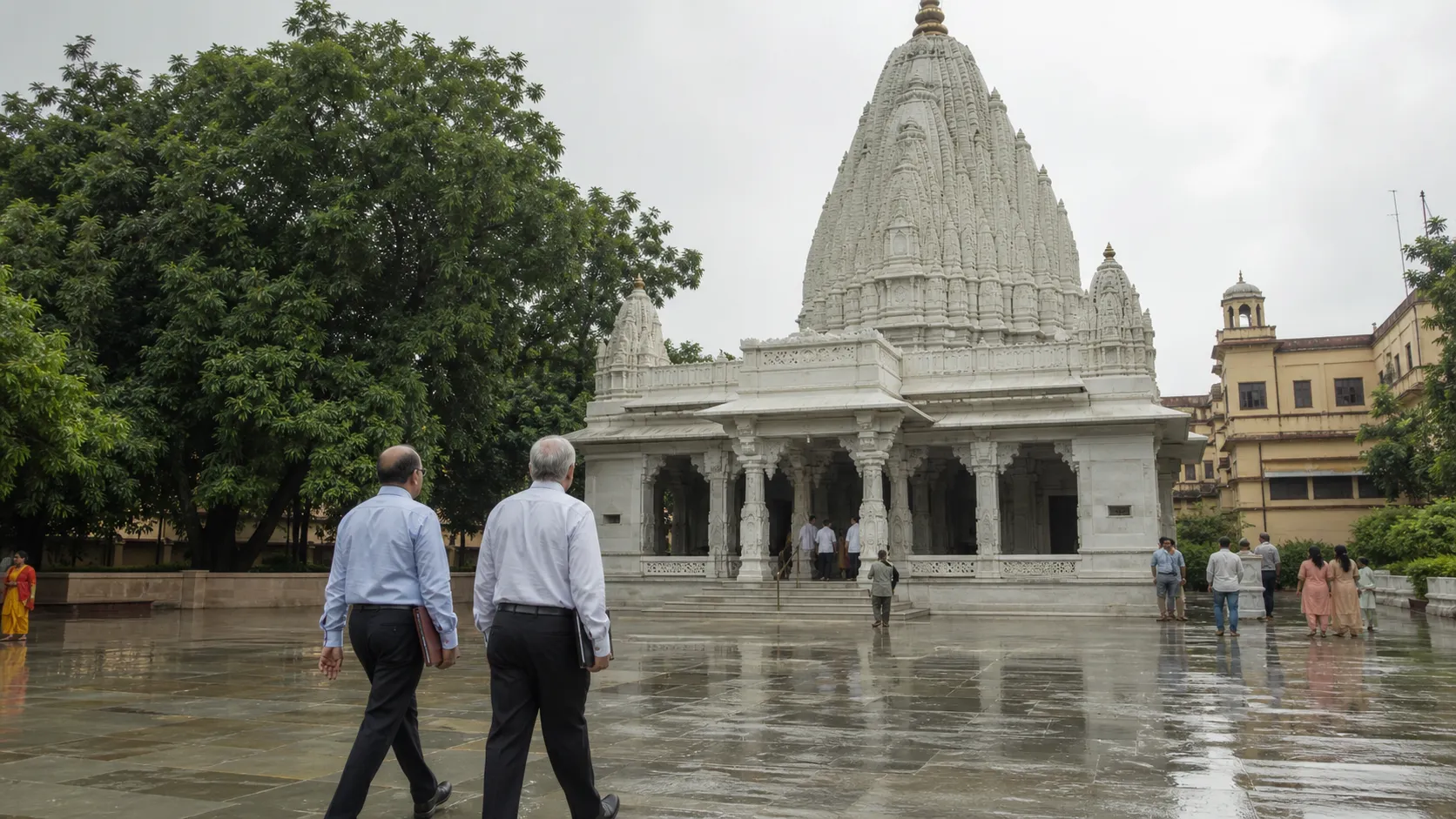
Banaras Hindu University has changed the honorary administrator of the Vishwanath Temple on its campus, removing Prof Brajbhushan Ojha and appointing Prof Madhav Janardan Ratate in his place. Ojha had held the role since December 18, 2025. The university’s action followed complaints received in recent days, according to information available on Wednesday.
The nature of the complaints and whether a formal inquiry found any lapse were not publicly detailed. That omission matters. An administrative replacement is not, by itself, a finding of misconduct. Until the university states what process was followed, it would be unfair to treat allegations or internal dissatisfaction as established fact.
The position may be honorary, but the institution it oversees is not symbolic. The campus Vishwanath Temple serves students, staff, residents and visitors. Its administration touches queues, rituals, donations, cleanliness, security, accessibility and coordination during high-footfall periods. A change at the top therefore has practical consequences far beyond a title in an office order.
BHU should clarify the handover. Cash and donation records, inventories, keys, vendor agreements, staff schedules and pending maintenance issues should be transferred through a signed process. The new administrator also needs a clear statement of authority: which decisions can be made independently, which require university approval and who receives complaints from worshippers or employees.
Transparency would protect everyone involved. If complaints concern service delivery rather than personal wrongdoing, the university can say so without disclosing private details. If an inquiry is under way, it can confirm the procedure and allow the former administrator an opportunity to respond. Silence creates a vacuum that campus rumour will fill quickly.
Ratate inherits the role during the monsoon and an active religious calendar, when crowd movement and slippery approaches require attention. Small operational details—covered waiting space, drinking water, shoe storage, emergency access and a visible help point—shape whether the temple feels orderly. Regular coordination with campus security is especially important when academic traffic and visitor movement overlap.
There is a wider governance lesson here. Universities often manage temples, museums, hospitals, hostels and guest houses alongside teaching and research. These institutions develop their own publics and financial systems. Honorary management can bring academic service into campus life, but it still needs written responsibility, audited records and measurable standards.
The change should not end with a new name on the door. BHU can use it to publish a concise administrative framework for the temple: contact details, complaint route, donation accounting, accessibility arrangements and periodic review. That would give the incoming administrator a firmer mandate and reduce the chance that future concerns surface only after they have escalated.
For now, Prof Ratate takes charge while the reasons behind Prof Ojha’s removal remain only broadly described. The university owes both its community and the people named a clearer account of process, not gossip dressed as explanation.
Sources and reporting
Based on the administrative change reported by BHU on 5 August 2026. Prof Brajbhushan Ojha, appointed on 18 December 2025, has been replaced by Prof Madhav Janardan Ratate after complaints were received. No finding of misconduct was publicly detailed.
Related Stories
BHU: Below 4.0 CGPA Will Cost Hostel and Health Facilities
Sewer and Water Pipeline Work Starts in Four Wards Under CCTV Watch

BHU Issues 69-Page PhD Bulletin for About 1,500 Seats in Three Modes

Lolark Shashthi Draws Long Queues at Bhadaini’s Lolark Kund
Ganga Level Keeps Falling; Silt Clearing Starts as Boat Ban Holds