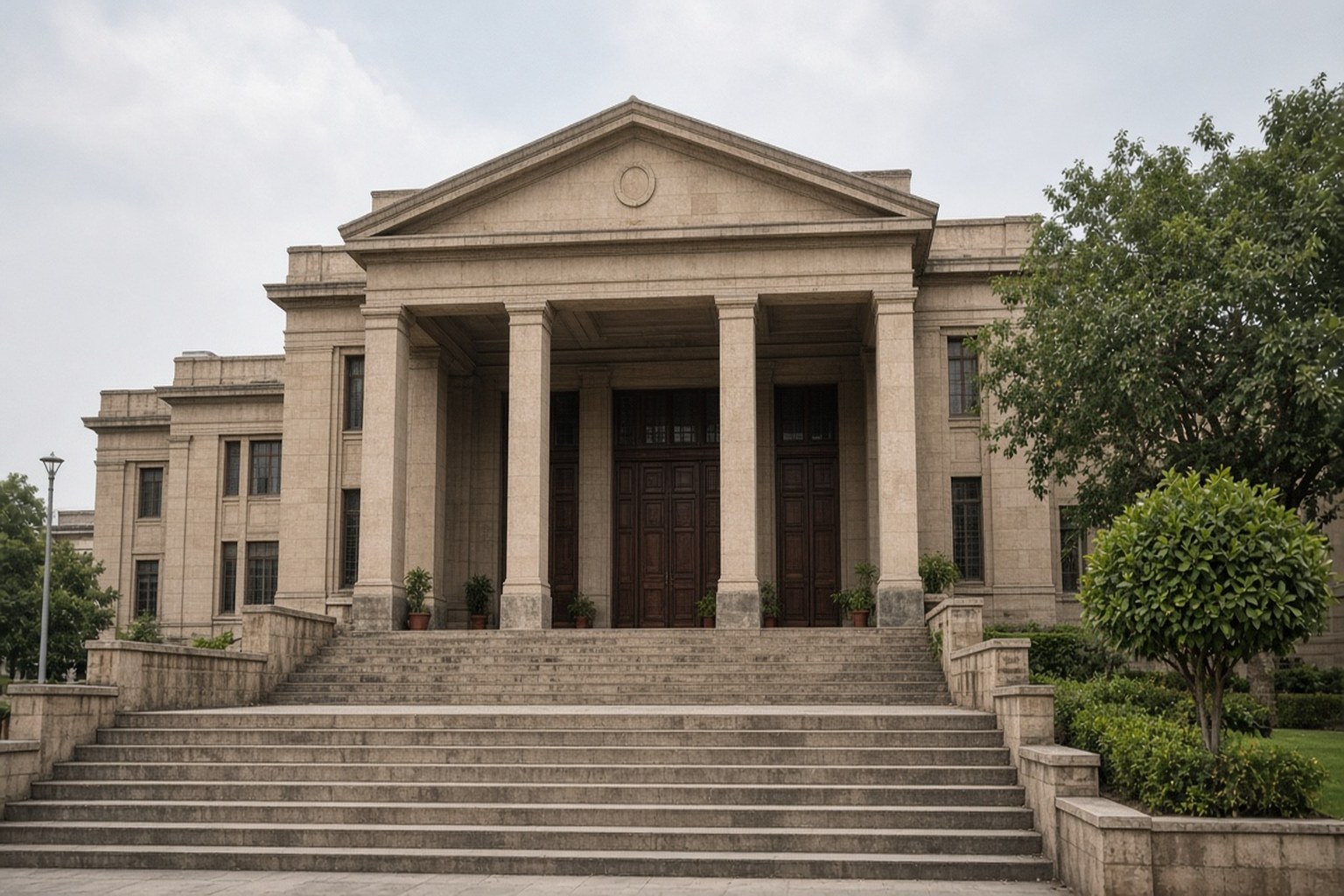
BHU Forms Anti-Ragging Squads for 2026–27 Session
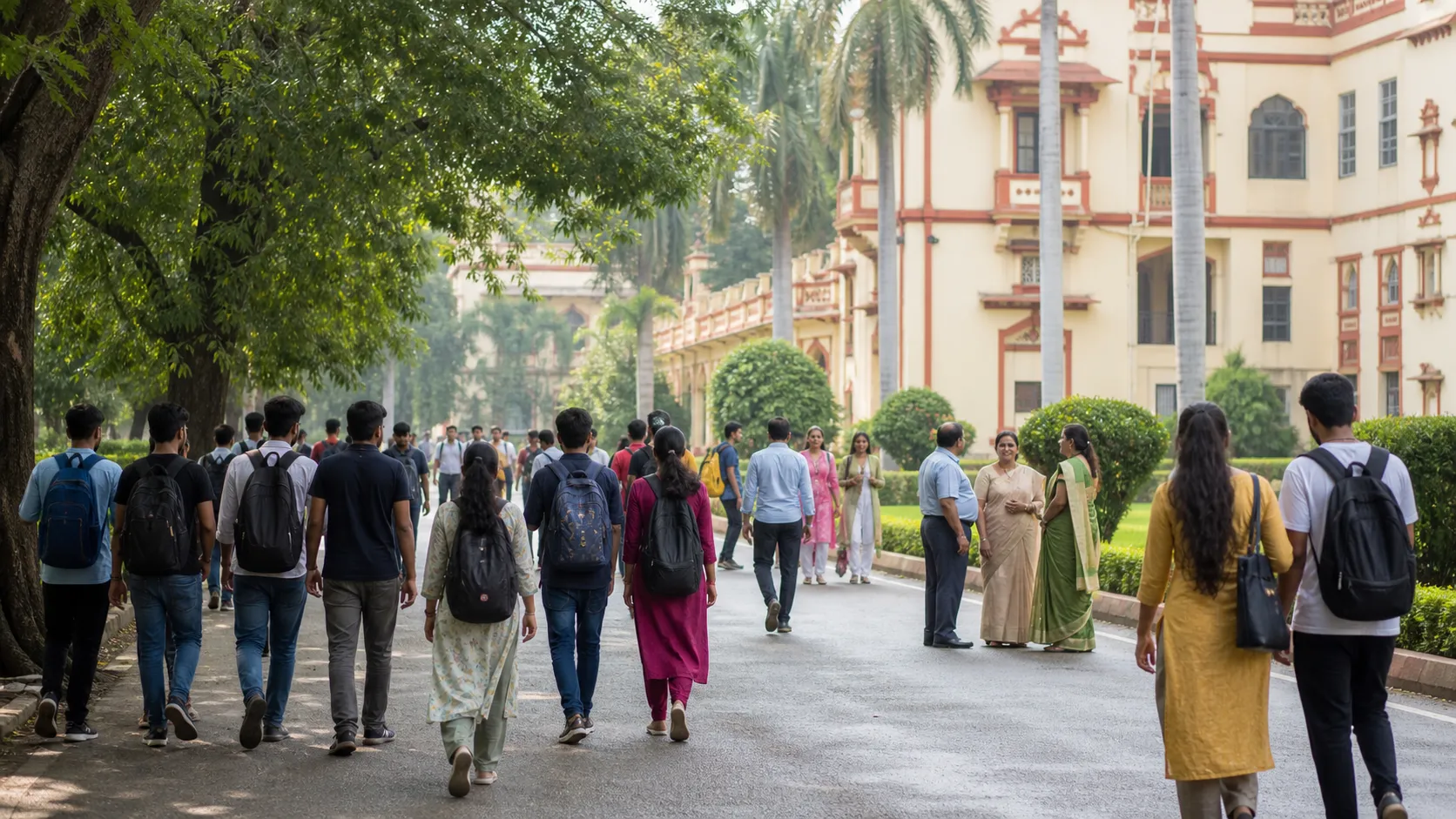
VARANASI: Banaras Hindu University has constituted anti-ragging squads and monitoring cells for the 2026–27 academic session, putting formal oversight teams in place as a new group of students prepares to enter the campus.
The arrangement covers both the main BHU campus in Varanasi and the Rajiv Gandhi South Campus at Barkachha in Mirzapur. University officials said the teams have been formed under the University Grants Commission’s 2009 regulations for preventing ragging in higher-education institutions.
Professor Lalit Mohan Agarwal of the Department of Radiotherapy and Radiation Medicine, Institute of Medical Sciences, will chair the anti-ragging squad for the main campus. Professor T. D. Singh of the Department of Medicinal Chemistry, Faculty of Ayurveda, has been named coordinator of the main-campus monitoring cell.
At the Rajiv Gandhi South Campus, Manoj Kumar Singh of the Department of Kriya Sharir, Faculty of Ayurveda, will chair the anti-ragging squad. Santosh Marandi of the Faculty of Veterinary and Animal Sciences will coordinate the monitoring cell.
The squads will be able to bring in a special invitee when a particular complaint or inquiry requires additional expertise. The Office of the Chief Proctor will provide administrative support for surprise inspections, inquiries and other action. That support is crucial because an anti-ragging order is only effective when a team can reach hostels and vulnerable campus spaces quickly, document what happened and protect the student who reported it.
The timing is significant. The first weeks of a university session are when freshers are learning hostel routines, department cultures and informal peer networks. A student who is new to Varanasi may not know whom to call or may hesitate to report conduct presented as a “tradition”. The university’s responsibility is to make the line clear: humiliation, coercion, intimidation and forced participation are not harmless introductions.
Monitoring cells and squads serve different but connected functions. Monitoring is meant to keep preventive systems active, while squads provide a mobile response and inquiry mechanism. Regular rounds, visible contact information and private reporting channels can deter misconduct before it escalates. Faculty members, wardens and senior students also have a role in noticing early warning signs rather than waiting for a formal complaint.
Students should keep official anti-ragging and proctorial contact details accessible and preserve messages or other evidence if an incident occurs. Friends who witness harassment should not treat it as somebody else’s issue. Prompt reporting can prevent the same behaviour from being repeated against another student.
BHU’s new committees establish the administrative structure for the year. Their credibility will depend on how approachable they are, how fast they respond and whether complainants feel safe throughout an inquiry. A campus becomes welcoming through everyday conduct, not through a notice alone; the squads now have the task of making that standard visible from the opening week.
Related Stories
Jansa Police Probe Night Raid on Three Bhatsar Houses; SHO Says File Reads as Theft

Bhelupur Police Arrest 25-Year-Old, Recover Four Stolen Scooters Behind Sankuldhara Pokhra
Jal Kal Restarts Konia-Line Pumps, Clears Sewer Overflow Around Shivala’s Ratnakar Park
IMD Logs 15 mm Rain at Varanasi; Saturday Forecast Keeps Thunder Spells in Play
District Meet at Vimarsh Urges Varanasi Youth Into VBYLD 2027 Quiz and Six Tracks