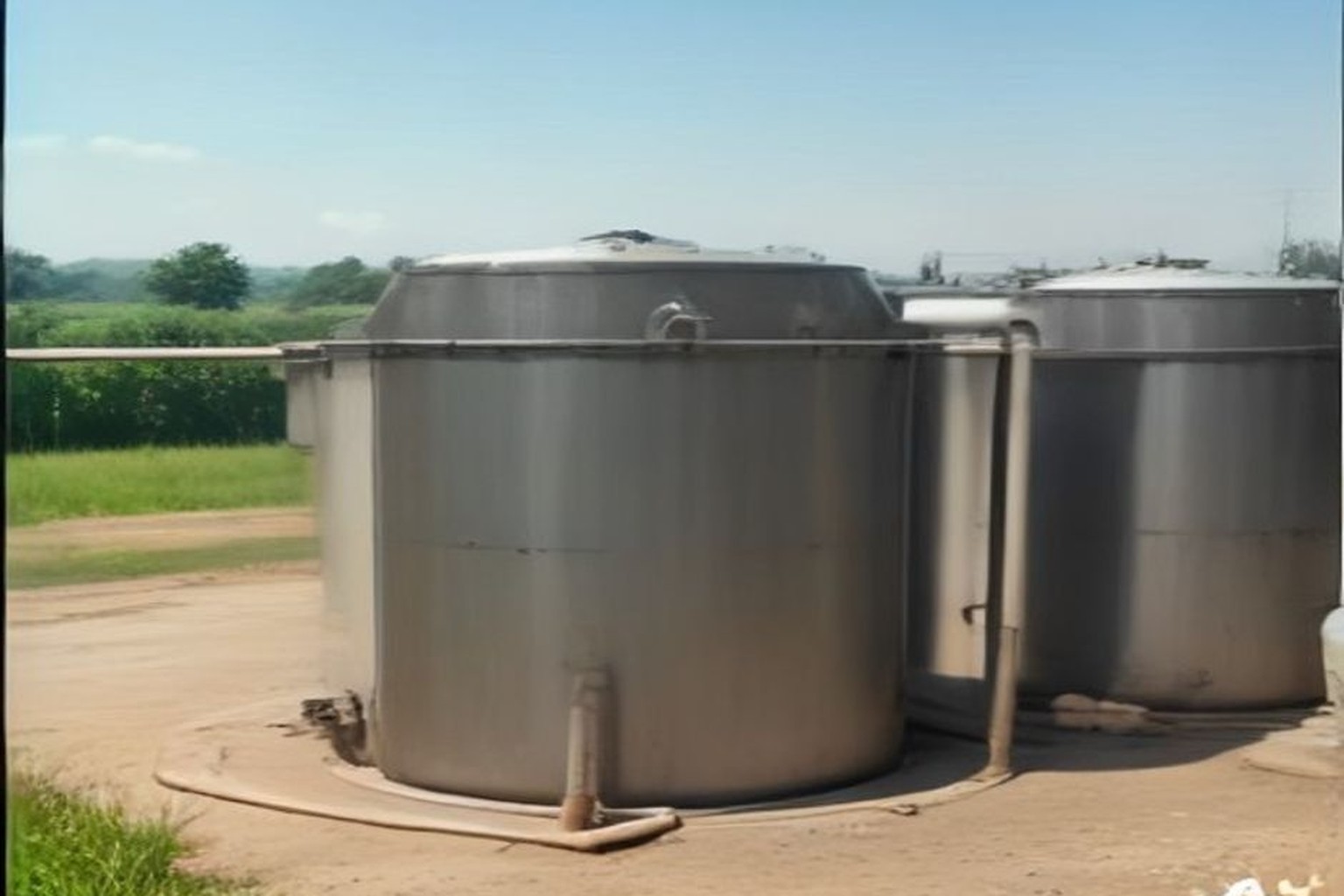
Bajghera Sewage Plant Targets September Opening After Six-Year Wait
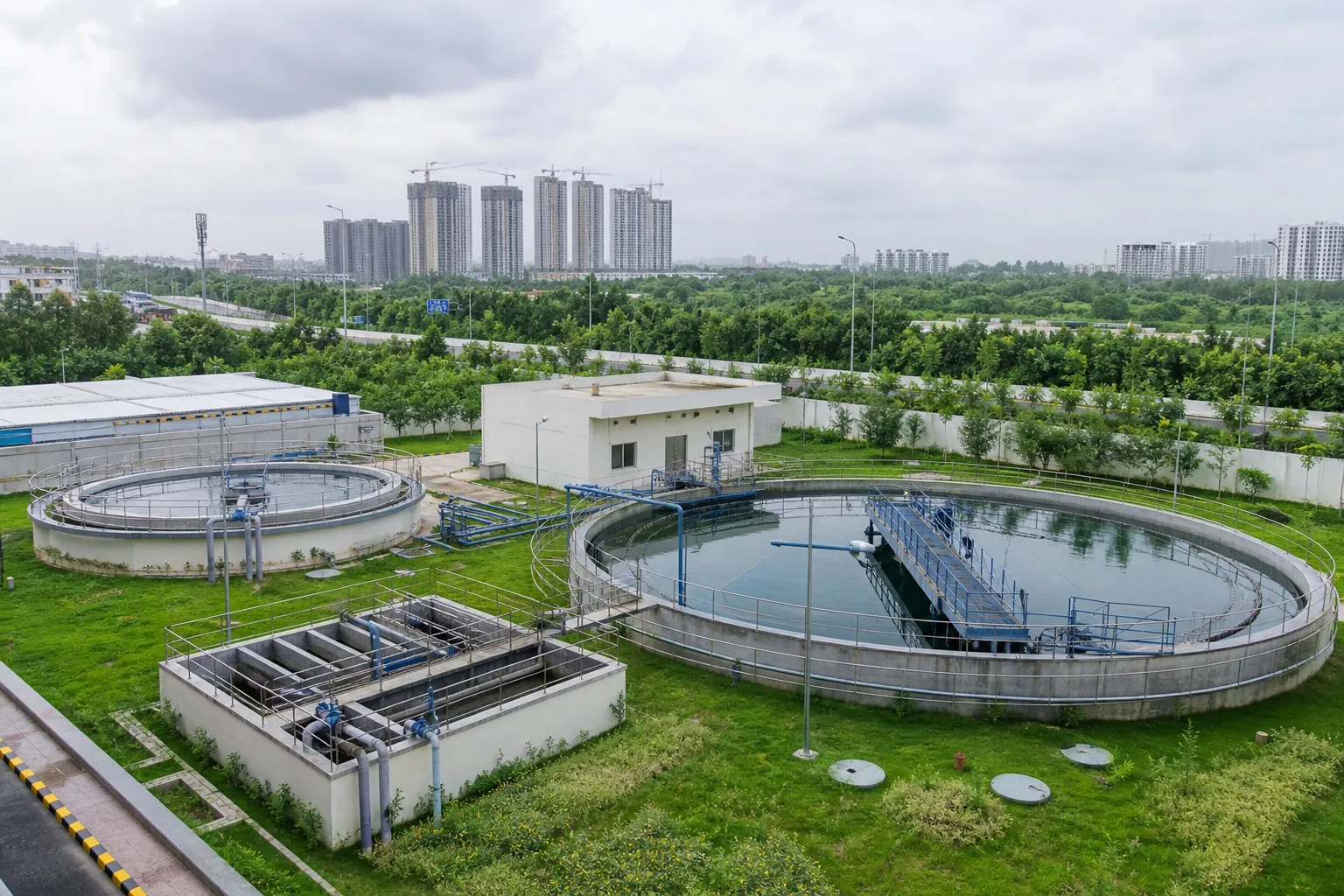
A sewage treatment plant approved when the pandemic had barely begun is finally approaching the commissioning stage in Bajghera. GMDA says about 85 per cent of the 2-million-litre-per-day facility is complete and expects to finish the remaining installation and testing by September. The project is intended to serve the village and nearby housing along Dwarka Expressway.
The Rs 7 crore scheme was approved in March 2020 with a September 2021 completion target. Resistance linked to land acquisition delayed the work for nearly two years, and construction could start only in 2023. Civil structures are now in the final phase, while electromechanical equipment, testing and commissioning remain before wastewater can actually be treated.
The project includes the treatment plant, a main pumping station and a recycled-water pipeline. MCG has laid the trunk sewer connecting the area to the facility, but the internal sewer network is still being built. That distinction is crucial: a completed plant cannot clean sewage from homes that are not yet connected to it.
Residents have long complained about wastewater collecting on roads and vacant land. Bajghera Road near Orchid School has been cited as a persistent stagnation point, creating odour, mosquito breeding and a direct health concern for children and commuters. Untreated flows can also reach the Najafgarh drain, pushing a neighbourhood service failure into the larger Yamuna basin.
The 2-MLD capacity is modest compared with Gurugram's main plants, but local treatment can remove a stubborn gap in a rapidly built-up area. The city's installed capacity is about 433 MLD, including 170 MLD at Behrampur, 218 MLD at Dhanwapur, 20 MLD at Jahajgarh and 25 MLD at IMT Manesar.
Further expansion is planned. A 40-MLD plant at Naurangpur and a 100-MLD plant in Sector 107 are at the tendering stage, while 100-MLD additions have been proposed at both Behrampur and Dhanwapur. Those large numbers will matter only if sector-level sewers, pumping stations and household connections deliver the wastewater without repeated overflows.
Commissioning in September should involve a sustained trial, not a ceremonial switch-on. Authorities need to test inlet flow, treatment quality, backup power, odour control and the route for sludge disposal. The recycled-water pipeline should also have identified users; otherwise treated water may be discharged while fresh water continues to be used for landscaping or construction.
After a six-year wait, the public deserves a clear completion sheet: which colonies are connected, how much sewage enters each day and whether the outlet meets standards. Bajghera's problem will not be solved by declaring the plant 100 per cent complete if wastewater still pools outside the school. Success is a working network, a clean road and a drain that no longer receives the area's untreated sewage.
Sources and reporting
Based on GMDA's construction update, project timeline, treatment capacity and the sewerage works required before commissioning.
Related Stories
Four Held for Stone Attack on Manesar Drive
GMDA Plans Rs 20 Cr Dwarka Sector Road Works
Metro Phase-2 Tender Delay Puts 2029 at Risk
SC Flags IAF Depot Buffer Encroachments
DTCP Seals 17 Sites in Sushant Lok Drive