HYDERABAD: AKSI Aerospace Group describes itself as an Indian company that designs and builds unmanned aerial vehicles, or drones, for farms, factories, logistics and defence. What sets it apart from many drone startups is that it is not one company. The group's website lists nine companies, each making a different piece of the drone stack, from batteries and autopilots to composite airframes and cameras. This explainer sets out what those pieces are, what the numbers on the site say and which claims buyers should test.
All details below come from the group's own website, checked on 9 October 2026, unless stated otherwise. They are company claims and have not been independently audited by Dalimss News.
A group built around one idea
The company's argument is that a drone is only as good as its weakest part, so it is better to make the parts under one roof. Its About page says every subsystem is "tested, validated, and optimized under one roof", and that the aim is consistent performance in harsh environments. It also says the drones are engineered and manufactured in India with indigenous intellectual property, to reduce import dependence.
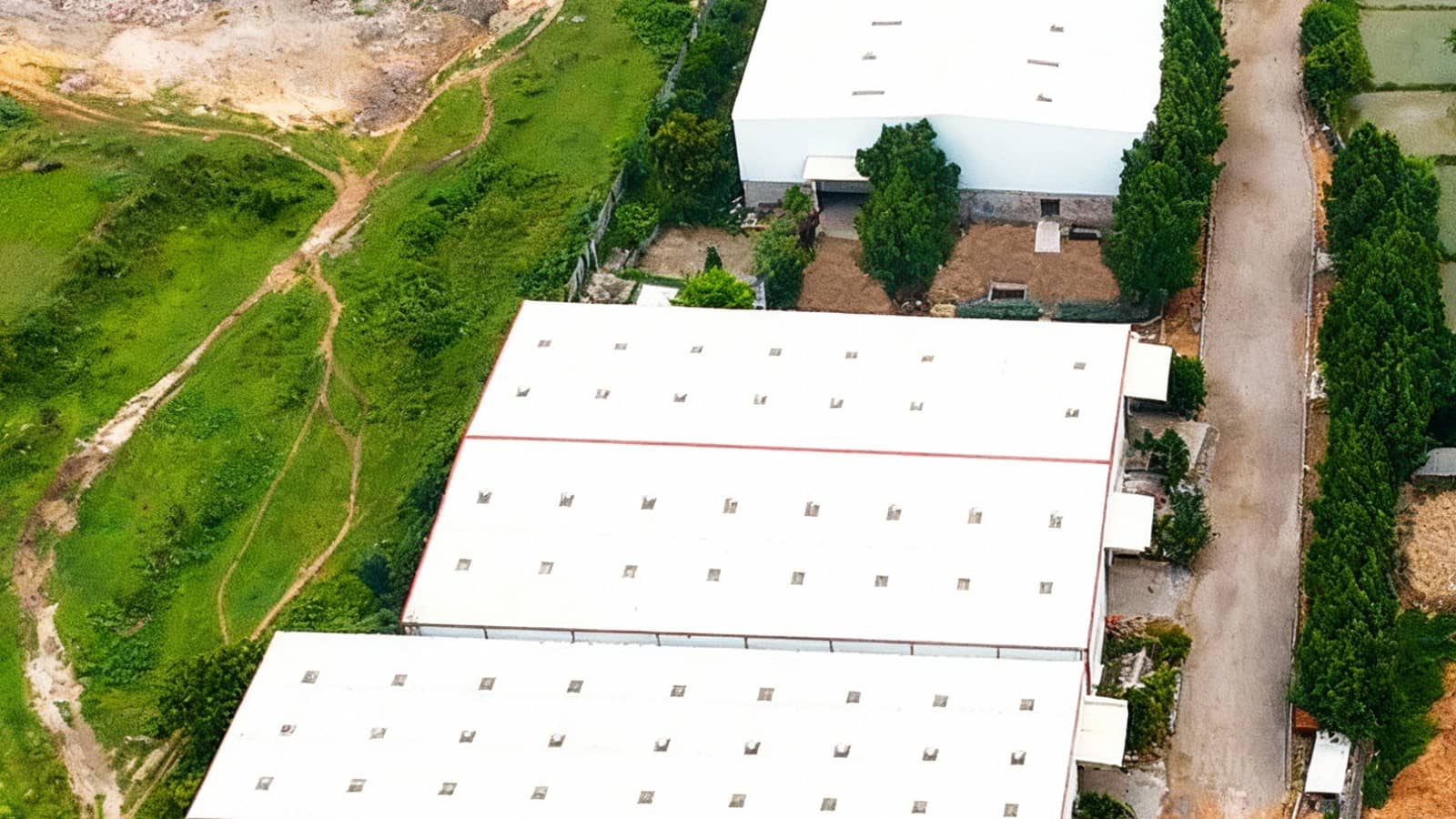
The hero banner of the site gives headline figures: a 100,000 square foot facility, more than 100 employees, an annualised capacity of 112,000 units, nine companies, 22 products and 36 components. The About page lists slightly different counts, with 20 specialised drone subsystems and 40 drones and allied products, plus 10,000 square feet of research and development space. The mismatch suggests the counts are updated at different times, so treat them as approximate.
The nine companies
The group companies named on the site cover the main building blocks. KhetPilot makes AI agricultural drones. Dronevation builds industrial drones. Slatup works on cargo drones for logistics and e-commerce. Roboclave makes composite parts for UAV airframes.
LiHi supplies smart drone batteries and chargers. KKAP is a drone autopilot. Motopropel Technologies works on propulsion systems. DroneOwl makes microstabilised cameras. The ninth, the AKSI Drone Training Academy, trains people in flying and operating drones.
The leadership page names Pankaj Akula as group managing director and chief technologist, Dr. Swati Sinha as co-founder and chief innovation officer, and Archit Chandak as founder and group executive director, among others. It also lists a retired major general as group chief strategy officer for India.
What it has shown publicly
The site's press page lists coverage from Wings India 2026, the aviation show. Items include the launch of a cargo drone called Skyshipper, a showcase of advanced drones, and a report that the group secured orders worth ₹176 crore. The headline of that last item is the only order figure on the page, and the page does not break down who placed the orders or over what period, so it should be read as a claim until customers confirm it.
Separately, press reports on 6 October said the group had unveiled a long-range combat UAV called Agni Kalash through a group company, DronAgni Combat Drones, with a stated range of up to 300 km and a top speed of 350 kmph. Those specifications are from the company's announcement as reported by the press. The group's own website pages reviewed did not describe the platform in detail.
Why integration matters for buyers
For a farmer or a drone service provider, the practical benefit of a group like this is service. If the battery, autopilot, motor and frame come from one supplier, there is one place to call when something fails. The site promises pre-sales consultation, training, maintenance and technical assistance, and offers a distributor programme and an online store.
The risk is the opposite one. A group that does many things can spread itself thin, and drone rules in India are strict about certified components and operator training. Buyers should ask for type certificates, spare-part lead times and warranty terms for each component, not just for the airframe.
Training is a quiet but important part of the picture. India requires certified remote pilots for most commercial drone work, so a group that sells drones and also runs a training academy can take a customer from purchase to licensed operation. The site does not publish pass rates or the number of pilots trained, which would be useful figures for a prospective buyer to ask for.
Indigenous parts and the supply chain
Much of India's drone industry still imports motors, batteries or flight controllers. By listing batteries, autopilots, propulsion and composites as in-house businesses, AKSI is making the case that the supply chain can be built at home. Dalimss News has covered other Indian teams working on the same problem, including Marut Drones' agricultural flying machines and SUIND's vision-based farm spraying drone.
The company says its ambitions are global, with products meant to meet international safety and regulatory standards for markets in Asia, Africa, Europe and the Americas. That is a long-term aim, and the site does not list export customers.
What to watch next
Three things will show whether the group's integrated approach works. First, whether the stated capacity of 112,000 units a year turns into real shipments. Second, whether the order figure is backed by named, repeat customers. Third, whether the combat and cargo platforms get through the testing and certification that defence and aviation buyers demand.
AKSI invites partners and distributors to get in touch through its website, which lists a Hyderabad address and a business email. Readers should confirm specifications directly with the company before any purchase.