
Forty-Seven Rural Drinking Water Schemes Ready For Varanasi Launch
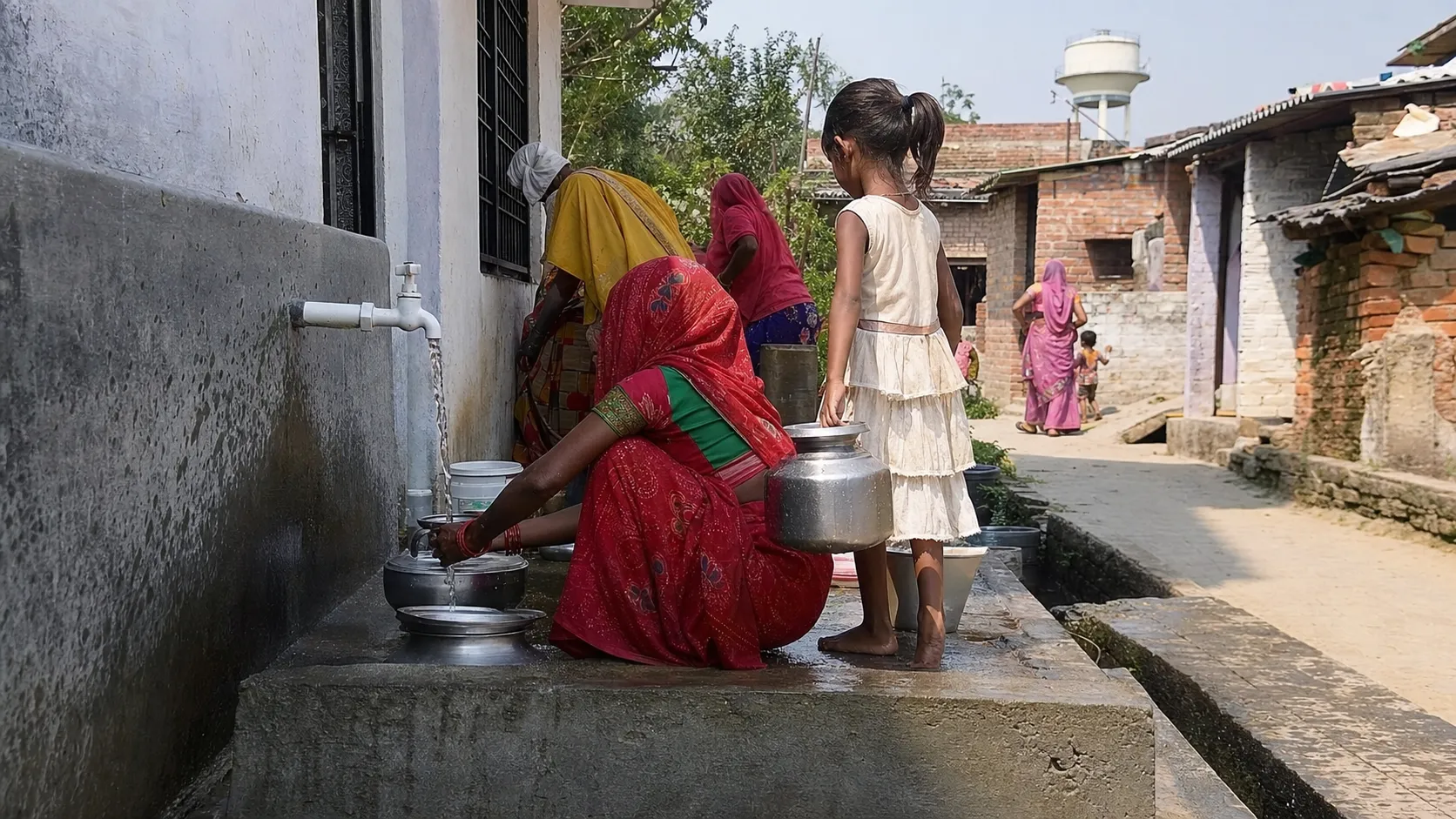
VARANASI: Forty-seven rural drinking-water schemes in Varanasi are set for inauguration on Sunday under the Jal Jeevan Mission, moving a large cluster of village projects from construction files to the test that matters: regular water at household taps.
The official programme confirms the number of schemes but does not provide a village-wise list in the main announcement. Residents will need that detail, along with information on source capacity, treatment, storage and the number of households connected. An inaugurated scheme is useful only when water arrives at a predictable pressure and passes routine quality checks.
Rural supply systems often fail through small gaps rather than one dramatic breakdown. A pump stops, electricity is irregular, a valve leaks, the operator is unpaid or a damaged pipe goes unrepaired because responsibility is unclear. Each scheme needs a named operating body, a local complaint route and funds for ordinary maintenance after the construction agency leaves.
Water quality deserves equal attention. Groundwater conditions vary across the district, and contamination can also enter through storage tanks or broken distribution lines. Test results should be recorded and shared in a form that village households can understand. A tap connection should not create false confidence if the water has not been checked.
Women are usually the first to notice whether a new system works. In households that have depended on handpumps or distant sources, reliable piped supply changes the morning schedule, reduces carrying time and can make school preparation easier for children. But that benefit disappears when supply timings shift without notice or when only a few lanes receive adequate pressure.
Village geography also matters. Houses at the end of a line or on slightly higher ground can receive less water. Engineers should test the network under normal use, not only during an inauguration run. Public institutions—schools, anganwadi centres and health facilities—need confirmed connections and storage arrangements as well.
The schemes arrive during the monsoon, when the contrast between abundant rain and unsafe drinking water becomes especially sharp. Flooded surroundings, open drains and damaged platforms can contaminate local sources. Clean tap stands, drainage around public points and quick repair of leaks are basic public-health measures.
Sunday’s launch is a milestone, not a warranty. The district administration can strengthen confidence by publishing a simple scheme dashboard: village, households covered, supply hours, test date, operator and complaint number. That would let residents distinguish between a temporary fault and a system that has never functioned properly.
For rural Varanasi, the promise is not a pipe in a photograph. It is water that reaches the last house, remains safe through the seasons and can be restored quickly when something goes wrong. The next few months will show how many of the 47 schemes meet that ordinary but demanding standard.
Sources and reporting
Based on the Prime Minister’s Office project note for the 2 August 2026 Varanasi development programme, reviewed on 1 August 2026.
Related Stories

Ramnagar Constable’s WhatsApp Resignation Withdrawn After ACP Counselling

Municipal Commissioner Inspects Jangambadi Ward 89 Sewer Overflow and Damaged Lanes

Civic Body Invites Tenders for ₹13 Crore Drainage Works in Newly Extended Areas

Mirzamurad Police Arrest Mother After Probe Finds Role in Stepdaughter Assault Case

Sigra Police Arrest Man Over Alleged ₹6 Lakh Fake BHU Assistant Professor Letter
