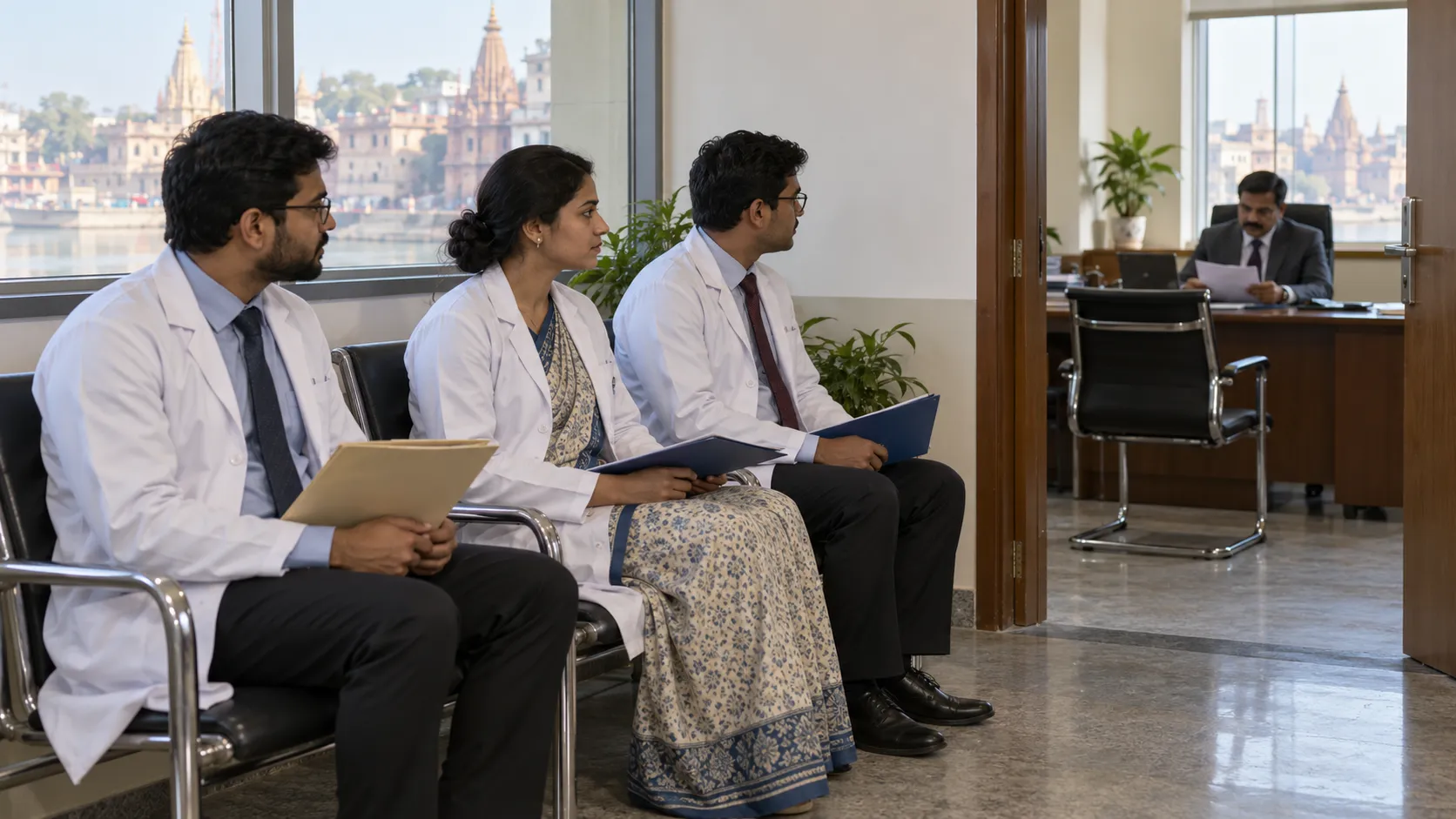
VARANASI: Biometric checks have helped establish the identities of 125 women living at a Varanasi shelter after being found at ghats, markets and road junctions, but many attempts to reunite them with their families have allegedly ended in refusal.
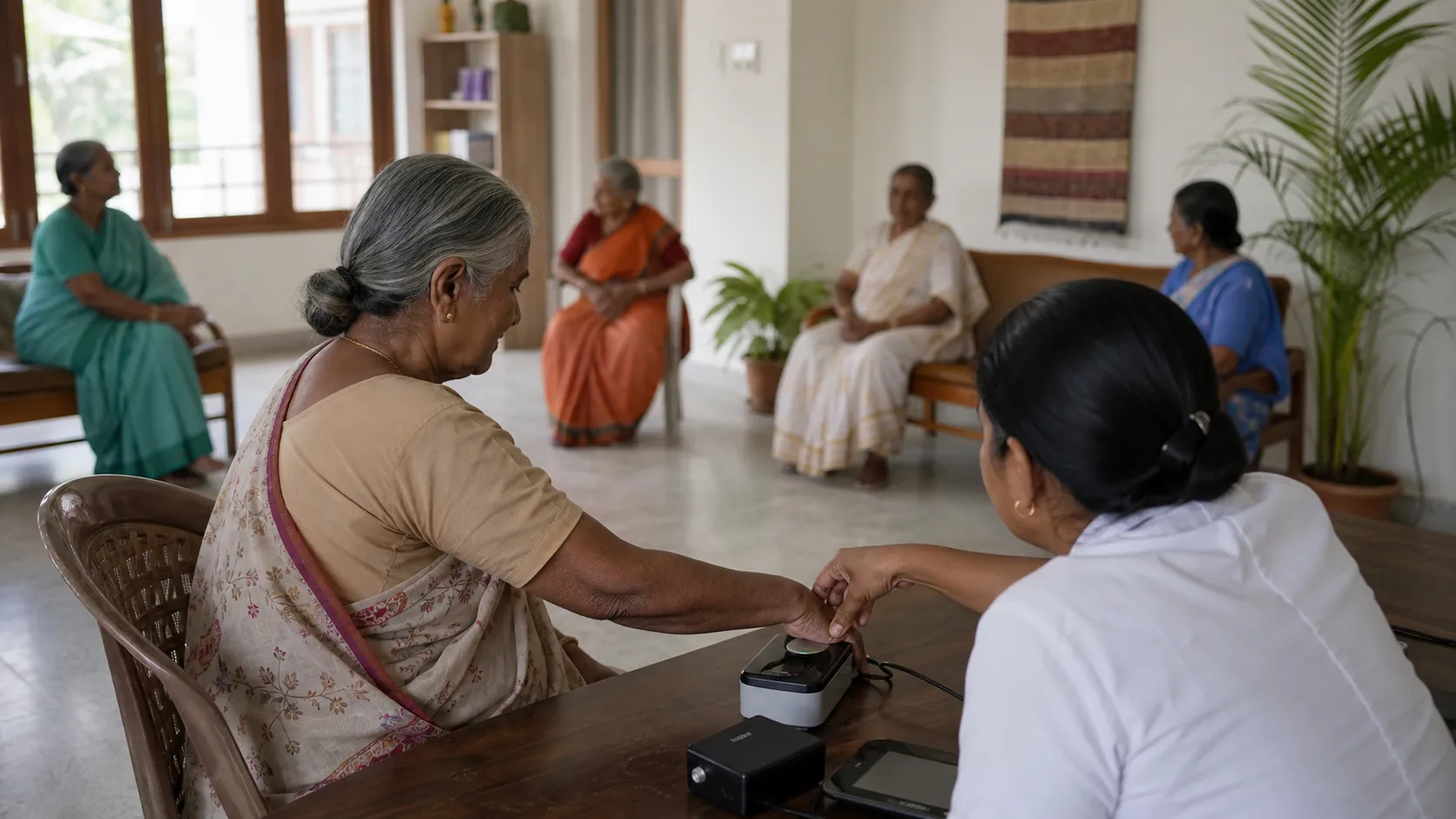
The women are residents of Apna Ghar Ashram, which works with the district probation department. Ashram director Dr K Niranjan told Amar Ujala that a weekly Aadhaar camp used fingerprint and iris scans to retrieve identity records for 130 women. Five have since died, leaving 125 identified residents in the institution.
The addresses linked to the biometric records enabled the shelter and officials to contact relatives. According to the report, several families declined to take the women back. Some residents were allegedly forced out over property, while others had been abandoned after illness or mental-health difficulties. The source described families from financially comfortable backgrounds as being among those contacted.
Biometric identification solves only the first part of the problem. A name and address can reconnect records, pensions and medical history, but it does not guarantee a safe home. Before any reunion, welfare officers need to assess whether the relative is willing and able to provide care, whether the resident wants to return and whether there is a history of abuse, property coercion or repeated abandonment.
State Women's Commission vice-chairperson Charu Chaudhary called the abandonment of elderly and mentally unwell women serious and inhumane. She said the commission would coordinate with the district administration and police, examine legal action and work towards counselling, maintenance and protection of the women's rights.
Indian law places maintenance duties on children and certain relatives of senior citizens, but each case turns on age, capacity, family relationship and evidence. Mental illness does not erase a person's legal identity or right to participate in decisions about residence and treatment. Consent and dignity must remain central even when a guardian or institution is involved.
The article does not identify individual residents, and Dalimss News is withholding names and photographs. Their stories should not become spectacle. The public-interest question is how systems respond when a woman is found disoriented in a city crowd and the address recovered from her biometrics leads to a door that will not open.
Varanasi now has 125 such reminders under one roof. Food and shelter are essential, but the longer task is legal aid, treatment, benefits, family accountability and—where a return is unsafe—a stable life that does not depend on being rediscovered again.