A Zero FIR allows information about a cognizable offence to be recorded at a police station even when the incident happened outside that station's territorial jurisdiction. Section 173(1) of the Bharatiya Nagarik Suraksha Sanhita, or BNSS, allows such information irrespective of where the offence occurred. The practical benefit is that a person reporting a crime need not first resolve which police station covers the location.
The provision can be read in the National Crime Records Bureau's official BNSS text. It covers information given orally or through electronic communication. These are routes for reporting a cognizable offence; a general online grievance does not automatically become a registered FIR merely because it has been submitted.
| Search question | What to know |
|---|---|
| Where can information be given? | To the officer in charge of a police station, regardless of the incident's area |
| Relevant law | BNSS section 173 |
| Electronic communication | Informant must sign within three days for it to be taken on record |
| Copy of the recorded information | Free, provided forthwith to informant or victim |
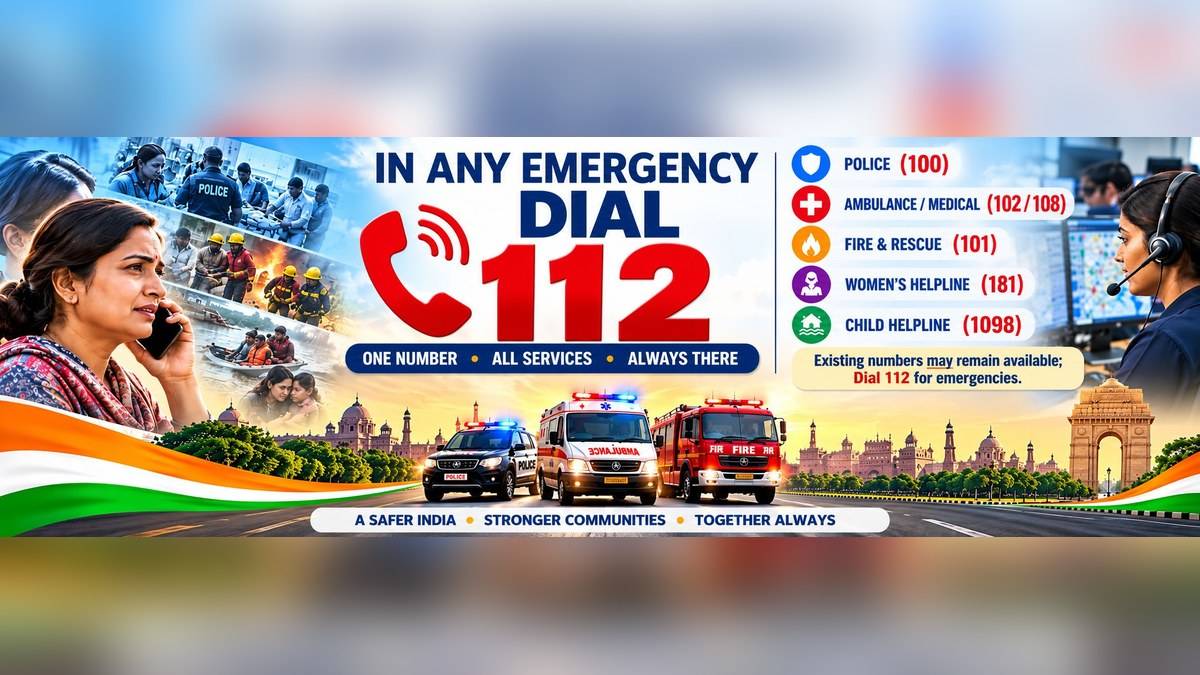
| Immediate emergency | 112 emergency assistance |
Who can report a Zero FIR and what should you take?
The Bureau of Police Research and Development's standard operating procedures say that the victim, a family member, a relative or another person with knowledge of the facts may report on the victim's behalf. The key issue is information disclosing a cognizable offence, rather than whether the informant lives in the police station's area.
For preparation, write a clear sequence of what happened: the place, approximate time, people involved, injuries or loss, and witnesses if known. Separate what you saw from what someone else told you. Relevant messages, receipts or other records may help explain the incident. This is a practical preparation list, not a claim that section 173 imposes a compulsory document bundle before information can be given.
If information is given orally, section 173 says it must be reduced to writing and read back to the informant. The information must be signed by the person giving it. Read the recorded version carefully, ask for factual errors to be corrected and keep the copy. A registration reference is useful for following up on which police unit is handling the matter.
The right to a free copy is explicit in section 173(2): the recorded information must be supplied forthwith to the informant or victim. Paying an intermediary is not part of this statutory process. Keep the copy separate from any later acknowledgement of transfer or additional statement.
Can you file a Zero FIR online?
Section 173 permits electronic communication, but it attaches a condition: the person giving the information must sign within three days for it to be taken on record. Ask the receiving police station how that requirement is to be completed under its procedure. An email acknowledgement or portal receipt should not be mistaken for confirmation that every registration step is complete.
There is no single nationwide online form identified in section 173 for every kind of offence. Use the relevant official police service and establish what it accepts. A lost document report, a complaint tracking number and an FIR are different records. Retain the submitted material and request the actual FIR particulars when registration has occurred.
A Zero FIR also needs to be distinguished from the legal classification of an offence. Section 174 deals with non cognizable information and the Magistrate's role. The label Zero FIR does not convert every dispute into a cognizable offence. If the classification is unclear, seek an explanation from the police or legal assistance rather than relying on a label used in a search result.
What if police refuse to record the information?
Section 173(4) provides an escalation route. An aggrieved person may send the substance of the information in writing and by post to the Superintendent of Police concerned. If satisfied that it discloses a cognizable offence, that officer may investigate personally or direct a subordinate officer to investigate. The provision also allows an application to the Magistrate if that route fails.
Keep the written submission, proof of dispatch and any response so that the next authority can understand what has already happened. This process is distinct from seeking urgent assistance. For an immediate threat or emergency, the official Emergency Response Support System provides the 112 route. Emergency response and formal recording of an FIR serve connected but different purposes.
There are safeguards for specified offences against women, including recording by a woman officer. For a person with a mental or physical disability reporting the specified offences, section 173 provides additional arrangements involving a suitable location, an interpreter or special educator where applicable, and videography. These safeguards are tied to the offences listed in the provision.
Section 173(3) also permits a preliminary inquiry for cognizable offences punishable with at least three years but less than seven years of imprisonment, with prior permission from an officer of at least Deputy Superintendent rank and a fourteen day inquiry period. It is not a general fourteen day waiting rule for every complaint. The BNSS itself contains territorial application qualifications, so case specific advice may be necessary.
For help with the next step, see our guide to free legal aid eligibility. Our explainers on consumer complaints and RTI applications cover different remedies, each with its own authority and process.