
VARANASI: An official brief dated Tuesday, November 24, 2026, sets out school reading sessions in Varanasi and a national Thirukkural conference co-hosted by Banaras Hindu University for Kashi Tamil Sangamam 5.0. The school and conference details extend the programme information beyond the rail and venue preparations, as reported earlier on dalimss.news.
The programme connects activities at BHU in Lanka with exchanges involving local schools and visits to places associated with Tamil life around Kedar Ghat. Families and institutions should check the relevant organiser's instructions before arranging attendance. The brief gives the overall Sangamam dates, November 28 to December 12, but does not provide a school-by-school timetable or the conference's room and starting time.
The National Book Trust, working with the Rashtriya e-Pustakalaya, will conduct interactive sessions in Varanasi schools on reading habits, storytelling and creative activities. Separately, Thirukkural experts from Tamil Nadu will visit schools and colleges in the city. These are described as planned engagements, rather than completed visits or an open invitation to attend every session.
What the school and campus programme includes
The official November 24 background brief says 50 teachers from Tamil Nadu will visit Uttar Pradesh to teach the Thirukkural in schools and colleges during the Sangamam. Its separate description of expert visits to Varanasi mentions introductory modules, interactive sessions and quizzes. It does not allocate all 50 teachers to Varanasi alone.
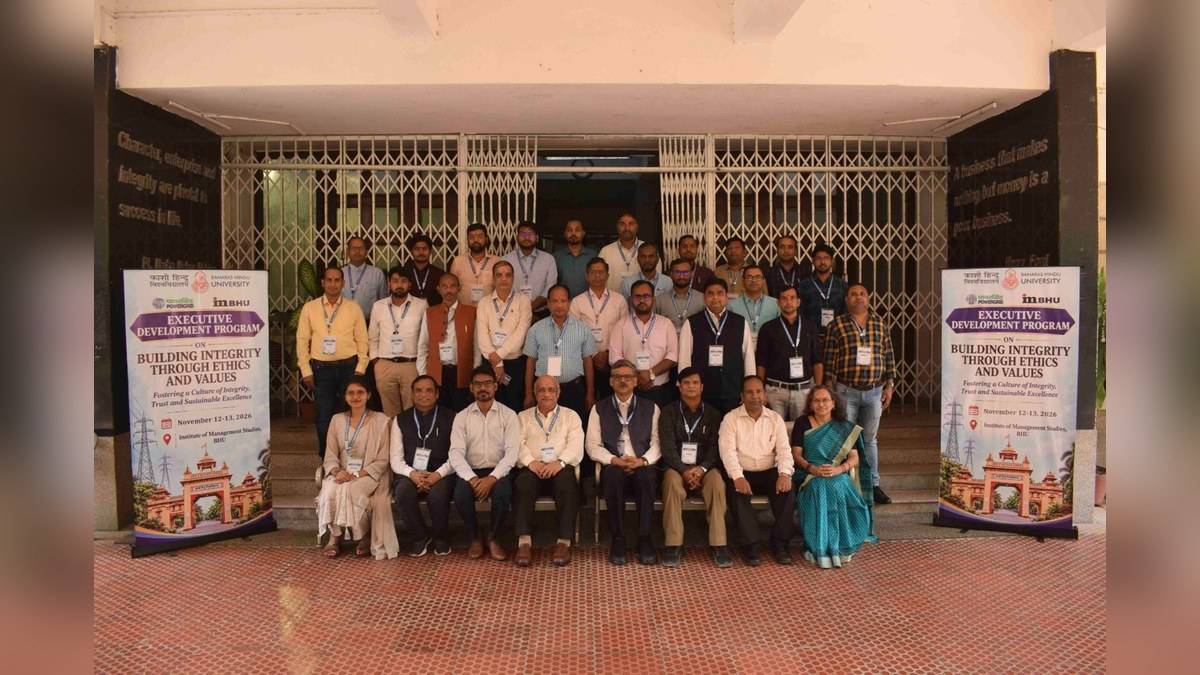
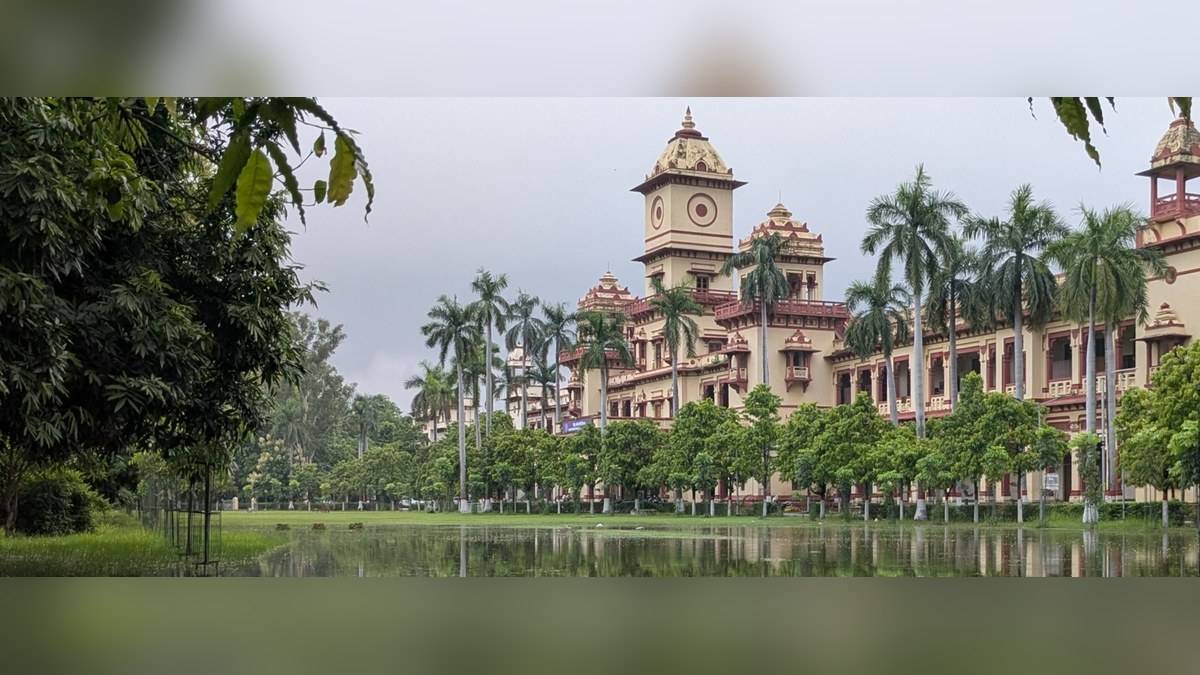
BHU will co-host a National Conference on the Thirukkural, with the Bharatiya Bhasha Samiti as a partner. The Ministry of Culture will provide cultural troupes, screenings of short films about the text and cultural showcases at the venues. Handicraft and handloom outlets from Tamil Nadu and Uttar Pradesh are planned at the main venue for delegates.
The text at the centre of the programme is Thiruvalluvar's Thirukkural, a work of ethics and conduct with 1,330 couplets. The brief identifies its three parts as Aram, concerning virtue; Porul, concerning wealth; and Inbam, concerning love. It says the Central Institute of Classical Tamil has translated the work into 25 Indian languages, including all 22 scheduled languages, as well as foreign languages and braille.
Those translations support participation beyond Tamil-speaking groups. The fifth edition's theme, Thirukkural Payilvom, is presented with the Hindi phrase Thirukkural Abhyas Karen, meaning an invitation to learn the text. The stated aims include reading it, understanding its values and encouraging students from different academic and language backgrounds to engage with it.
What residents and institutions should do
Keep the different participation routes separate. A school reading session, a cultural programme, the visiting Tamil Nadu delegation and the nationwide Students' Engagement Programme are parts of the same edition, but they have different arrangements. An institution registering a nominated student should follow the CICT schedule, rather than infer its requirements from the delegates' travel itinerary.
- Sangamam inauguration: November 28, 2026.
- Valedictory function: December 12, 2026.
- Schools: reading, storytelling, creative sessions and Thirukkural engagement are planned.
- BHU: a national conference is planned with the Bharatiya Bhasha Samiti.
- Venue access and session timings: confirm the individual programme before travelling.
The CICT schedule labels its timeline tentative and says dates may change. It provides for nodal institutions, participating institutions and nominated students to join the inaugural and valedictory functions online, with joining links shared separately. That arrangement should not be treated as a general walk-in pass to a physical venue.
For the separate student route, the schedule gives November 27 at 5 pm as the institutional registration deadline, already covered in the earlier registration update. The November 24 brief describes one student nominated on merit by each participating institution, followed by orientation, a month of research, a four to ten page article or note and a one-hour presentation under a faculty guide.
The local heritage visits in the brief
Around 1,400 participants from Tamil Nadu are expected in seven groups of about 200. Each group's eight-day journey combines four travel days with four days of visits and structured programmes across Varanasi, Prayagraj and Ayodhya. This does not mean each group will spend the entire fortnight in Varanasi.
The Varanasi itinerary includes religious, historical and cultural visits, with Kashi Vishwanath Temple, Sarnath or BHU, Ramnagar Fort and Bharat Mata Temple named in the brief. A Tamil heritage circuit includes Mahakavi Subramania Bharati's ancestral house, Kedar Ghat and Kashi Madam in Little Tamil Nadu, alongside academic interaction at BHU's Tamil Department.
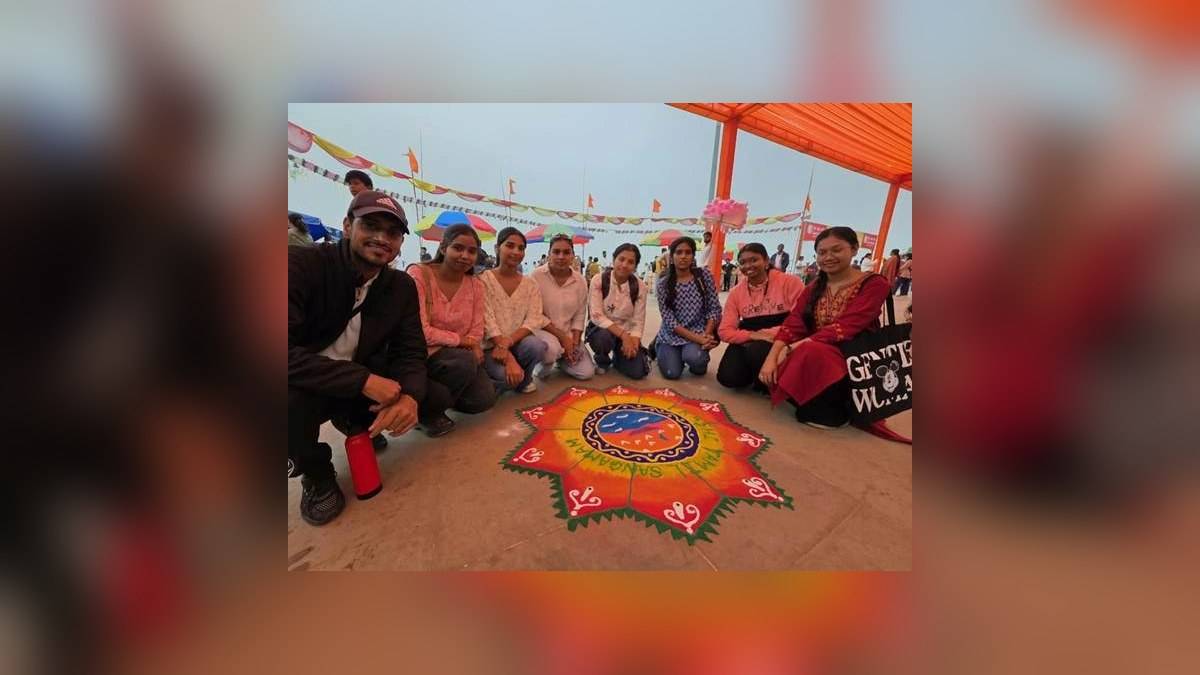
The city has already hosted preparatory cultural activity, including the Assi Ghat rangoli programme. The new brief describes the educational and cultural work still planned for the main edition. Residents should use the organisers' individual listings for attendance decisions as those details become available.