Four-Year Hunt Ends as Varanasi Police Arrest Film-Investment Fraud Accused in Mumbai
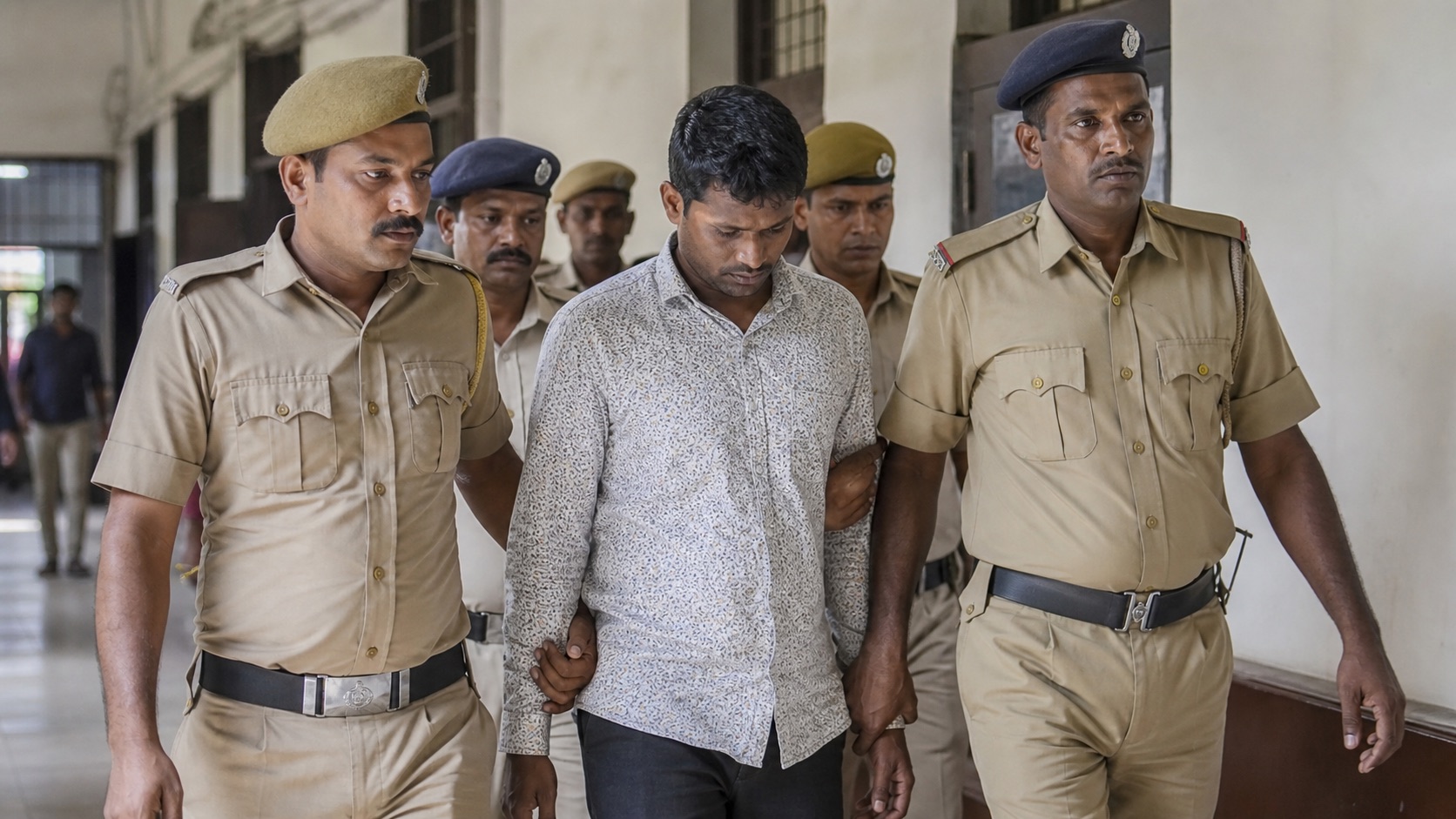
Varanasi: A joint team from Sarnath and Cholapur has arrested a 47-year-old man in Mumbai after nearly four years of searching for him in a Varanasi fraud case involving an alleged ₹78.20 lakh film-production investment. The accused, identified by police as Jaswant, is originally from Basti district and had been living in the Andheri area.
Police said he was traced to Veera Desai Road and arrested on Monday. He was produced before a railway mobile court in Andheri, where the Varanasi team obtained transit remand. After being brought back and questioned, he was produced before a local court on Wednesday and sent to jail.
The case was registered at Sarnath police station on 26 April 2022 after a complaint by Surendra Kumar Yadav of Rustampur in the Chaubepur area. The complainant alleged that money belonging to his brother Virendra Yadav’s firm was taken on the promise that it would be invested in film production. Police booked the matter under the then-applicable IPC provisions for cheating and criminal breach of trust.
These are prosecution allegations. Arrest and remand do not establish that the accused committed the offence, and his response and the documentary evidence must be tested in court. The police claim that he repeatedly changed locations to avoid arrest is also a matter they will need to support with records.
Investment disputes can sit on a difficult boundary between commercial failure and criminal deception. A film project may collapse without a crime if genuine risks were disclosed and money was used as agreed. A cheating case requires evidence about the promise made at the outset, where the funds went and whether there was dishonest intent. Bank transfers, contracts, messages and production accounts will therefore matter more than the glamour attached to the word “film.”
For investors, the case is a reminder to ask basic questions before sending large sums: What entity receives the money? Is there a written budget? Who owns the script and production rights? What happens if the project stalls? A verbal assurance of profit or industry access is not a substitute for due diligence.
The long interval between complaint and arrest should also be explained through the case diary. Interstate searches take time, but complainants deserve periodic information rather than learning about movement only after an arrest.
The Mumbai operation brings the accused within reach of the Varanasi court; it does not complete the case. Investigators must now present a clear money trail and preserve the accused’s right to answer it. That is how an allegation of a cinematic investment pitch becomes an ordinary, evidence-based trial.
Sources and reporting
Based on the Sarnath police account of the arrest and the 2022 complaint. The alleged fraud remains a matter for the court.
Related Stories

Court Issues Arrest Warrant for HSVP Brass

MCG Finalises Sohna Site for Fresh Waste

GMDA Seeks Station-Wise Metro Parking Plans

Thar Rams Rapido Cab After Sector 89 Quarrel

FDA Raids 3 Outlets Over Paneer Quality