
Varanasi Court Rejects Bail Plea in Alleged ₹7 Crore Gold Smuggling Case
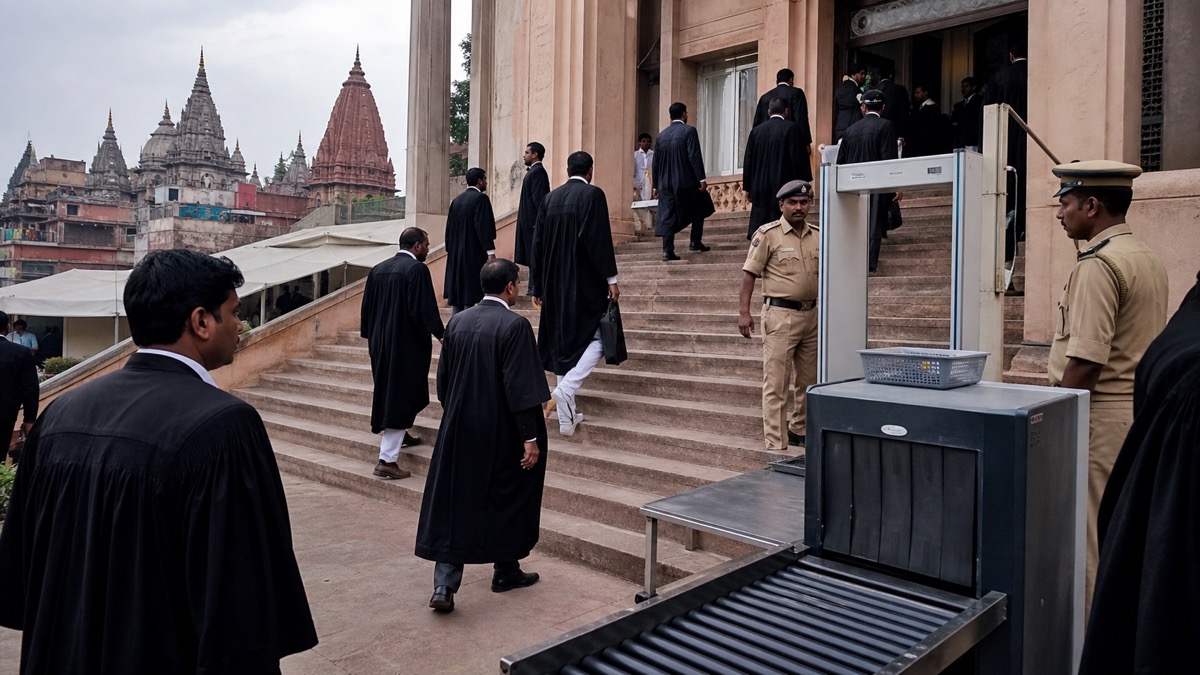
Varanasi: A court in Varanasi has rejected the bail application of a woman accused in a gold smuggling case valued at around ₹7 crore. The order keeps the applicant in custody while the prosecution proceeds, but it does not amount to a finding of guilt. The allegations must still be tested through evidence and trial.
Gold-smuggling cases often depend on a detailed chain of proof: recovery records, purity tests, travel data, communication between suspects and evidence showing knowledge or control over the seized metal. Investigators may also examine who financed the consignment, how it was meant to move onward and whether the accused was acting alone or as part of a larger network. The defence can challenge every link, including the legality of search and seizure.
In deciding bail, courts look at factors distinct from the final verdict. These can include the seriousness of the accusation, the stage of the investigation, the possibility of evidence being influenced, the applicant’s background and the risk of absconding. Economic offences involving high-value goods are frequently argued as matters with wider public consequences, while defence lawyers stress liberty, proportionality and the presumption of innocence.
The reported ₹7 crore figure is the agency’s valuation and should be understood as part of the prosecution case. Market value, tariff value and the weight or purity attributed to a seizure can be subject to technical documentation. A transparent prosecution will need to place those records before the court rather than rely on the dramatic size of the number alone.
Varanasi is an important transport and pilgrimage hub with air and rail links connecting it to major cities. That movement creates legitimate trade and tourism, but it also requires customs and enforcement agencies to watch for illicit consignments without treating ordinary travellers as suspects. Professional screening, documented procedures and independent judicial review are essential safeguards.
The next significant developments will be the filing or examination of the formal complaint and evidence, any further bail application before a higher court and the progress of proceedings against other alleged participants, if any. Until a court reaches a conclusion, descriptions such as “accused” and “alleged” remain necessary. Bail determines where a person waits during a case; it neither clears the accusation nor proves it.
The court’s written order will be the reliable source for the reasons bail was refused. Once available, it should be read in full, because oral arguments and short reports can omit conditions or factual distinctions. Future proceedings may change the custody position without changing the presumption of innocence, particularly as the investigation is completed and evidence moves into the court record.
Sources and reporting
Based on court reporting published on 14 August 2026. The accused is presumed innocent unless convicted; the value and smuggling allegations are those presented by the investigating agency.
Related Stories

Ramnagar Day Three Follows Vishwamitra Into the Forest and Mithila

Shivpur Ramlila Stages Narad Moh and Kshirsagar Tableau Through Rain
VMC Puts City on Alert for Navratri and Durga Puja Civic Arrangements

Chowk Becomes Varanasi's First Police Station With ISO 9001 Certificate

World Tourism Day: Guides Welcome Visitors; Namami Gange Cleans Namo Ghat