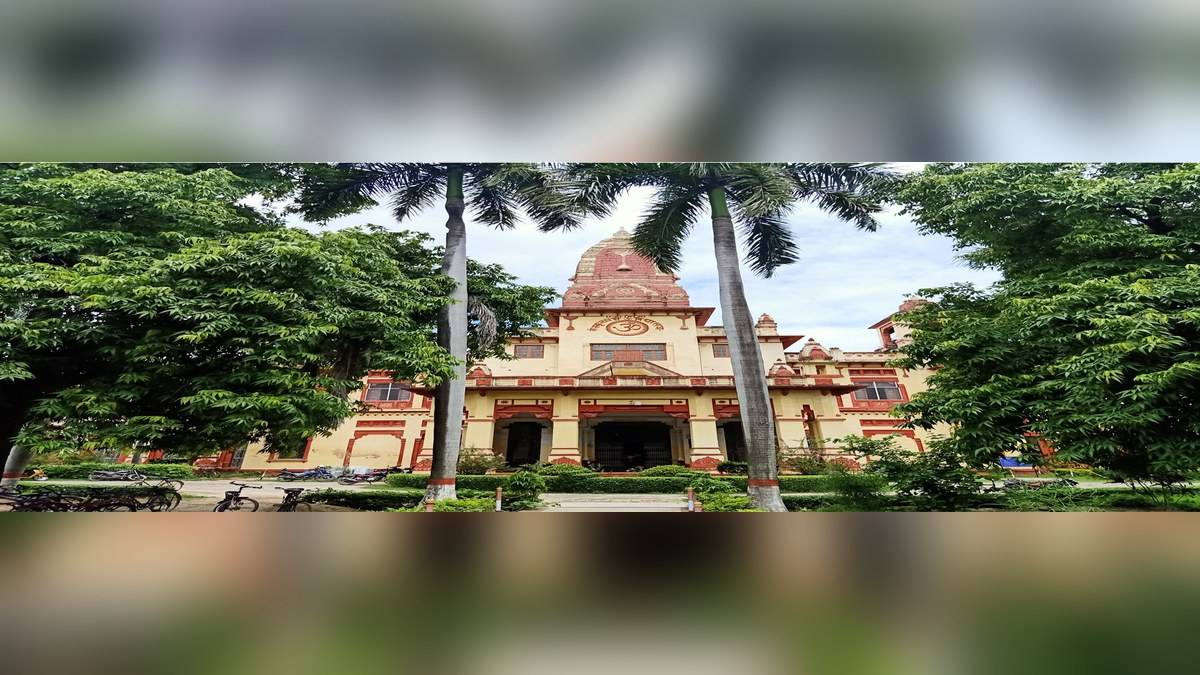
VARANASI: Banaras Hindu University's Bharat Adhyayan Kendra will begin the first online phase of its diaspora purohit training on November 17, according to programme details reported on Thursday, November 12. The course at the university's main campus adds practical instruction in Satyanarayan Katha, the sacred thread ceremony and marriage rituals for the 2026-27 session.
The programme concerns foreign citizens of Indian origin, with participants expected from Fiji, Trinidad and Tobago, Mauritius and other countries. The Varanasi campus phase begins in December, after the first online module. Prospective participants should distinguish this international training arrangement from admission to a general university degree or a course open to every local applicant.
Before making travel arrangements, participants should confirm their selection, class access and campus reporting instructions with the organising centre through official university channels. The two reports consulted describe accommodation and economy return airfare support, but do not provide a fresh application deadline or a public timetable of daily teaching hours in IST.
Three teaching phases through February
Coordinator Professor Sharadindu Tiwari described a sequence that combines remote teaching with a period of practical study in Varanasi. The opening online module runs from November 17 to December 11, 2026. Participants do not need to confuse that start with the date on which the campus component begins.
In person classes at BHU are scheduled from December 21, 2026, to January 16, 2027. The final online module is listed for February 1 to February 25, 2027. Both full reports give February 1 as the beginning of that concluding module, although a shorter summary in one report describes the dates inconsistently.
| Phase | Dates | Teaching arrangement |
|---|---|---|
| First module | November 17 to December 11, 2026 | Online |
| Campus module | December 21, 2026 to January 16, 2027 | At BHU in Varanasi |
| Final module | February 1 to February 25, 2027 | Online |
For participants joining from abroad, these date ranges are the planning framework. A daily session time, online joining link and time zone conversion need confirmation from the organisers. The published date ranges alone do not establish when an individual participant must be present in a classroom or connected to a session.
What the practical training covers
The newly reported additions are Satyanarayan Katha, janeu or sacred thread rites, and marriage ceremonies. The training includes practice as well as explanation of the rituals. Its stated purpose is to develop skills in Hindu religious traditions, ceremonial procedures and the work of a purohit among participants from the diaspora.
During the campus classes, a participant will take the role of yajman, the person on whose behalf a ceremony is performed. The coordinator described instruction involving Vedic priests, worship of the nine planetary deities, mantras and the use of ritual materials. This places the learner within a demonstration of the procedure.
The practical sequence also covers placing offerings in the fire pit, fire worship and the concluding offering. These are the teaching activities described in the reports. No public assessment pattern, certificate rule or examination schedule for this session was established in the material read, so participants should seek those details from the centre.
Who the programme is for
The training is organised by Bharat Adhyayan Kendra with the Indian Council for Cultural Relations and the Indian Technical and Economic Cooperation network. The reported eligibility range is 18 to 45 years. Applicants are expected to have basic knowledge of Devanagari and the ability to use a computer for the course's online component.
The reports say applications had been invited for foreign citizens of Indian origin. They do not establish that a new application window remains open on November 13. Someone finding the course through a search should therefore check the current official position before treating the November 17 teaching start as an admission deadline.
What participants should confirm
Campus accommodation and economy class return travel are part of the reported arrangements. Participants should obtain their own approved itinerary and accommodation instructions before committing to travel. The reports do not specify a reimbursement ceiling, the booking procedure or a right to reimbursement for independently purchased tickets.
The centre's official programme page and the university website were read for institutional reference. The new schedule and curriculum details were cross checked in two November 12 reports, rather than a dated university circular available on those pages.
For other university developments, read the earlier coverage of BHU's Sangamam preparation meeting, the Dikshitar commemorative programme and affiliated college admission dates at Kashi Vidyapith.