
VARANASI: A display of roughly 300 photographs and historical records opened at the Malaviya Heritage Complex in Banaras Hindu University on Friday, November 27, 2026, bringing material on the freedom movement and the university's buildings into one exhibition. The Uttar Pradesh State Archives and Mahamana Archives organised the programme on the BHU campus in Lanka, with contributions from IIT (BHU).
For students and researchers in Varanasi, the local interest lies in records of the Swadeshi movement in Banaras, the university's beginnings and the design of its historic buildings. Letters, photographs, reports and signatures form part of the display. The material offers several starting points for studying the city through documents held by the participating archives.
Visitors should confirm whether viewing is still available before travelling. The reports checked for this article do not specify a closing date, daily opening hours, an admission charge or arrangements for school groups. BHU's official information and public relations website lists 0542-2368598 and probhu@bhu.ac.in as institutional contacts. These are university contacts, rather than a dedicated exhibition booking service.
Freedom movement records and a Banaras connection
The exhibition includes material relating to the uprising of 1857, Rani Lakshmibai, Tatya Tope, the formation of a government in Awadh and Begum Hazrat Mahal's departure for Nepal. These are subjects represented in the archival display. The reports do not announce a new historical discovery or provide a catalogue identifying every item and its archival reference.
Another group of records concerns the Swadeshi movement in Banaras after the partition of Bengal in 1905. Material linked to BHU and revolutionary activity appears alongside rare photographs and reports of the 1906 Kumbh Mela. Together, the sections bring political activity, public gatherings and the history of an educational institution into the same programme.
Signatures of 11 revolutionaries are among the items described in the reports. The named figures include Chandrashekhar Azad, Sachindranath Sanyal, Ram Prasad Bismil, Rajendra Nath Lahiri, Ashfaqulla Khan and Jogesh Chandra Chatterjee. Among the signatures displayed in that group, Azad's is described as being in Devanagari. That observation concerns the exhibited group, rather than every surviving signature of those individuals.
Campus architecture forms a separate part of the display
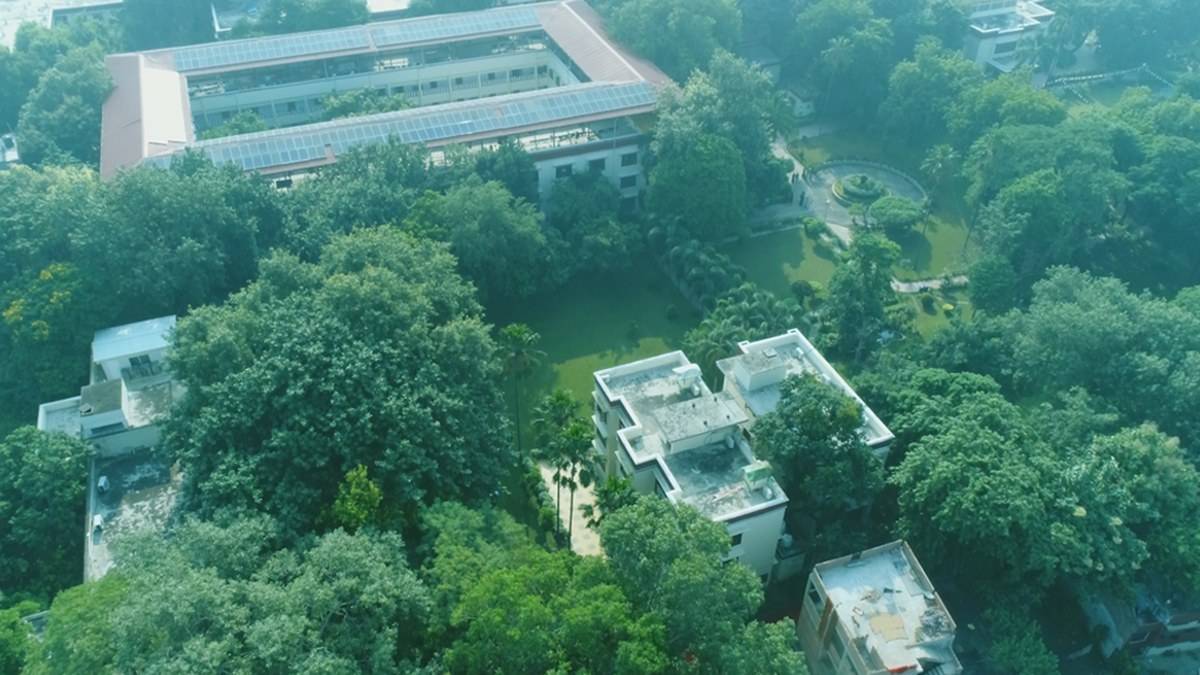
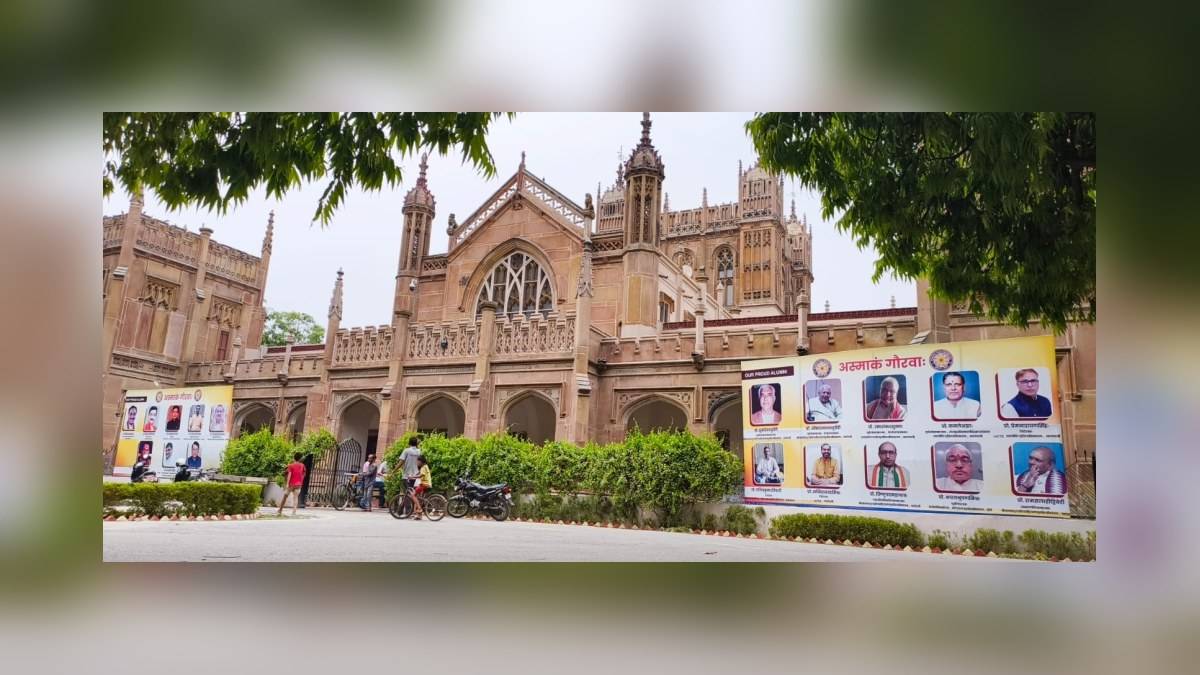
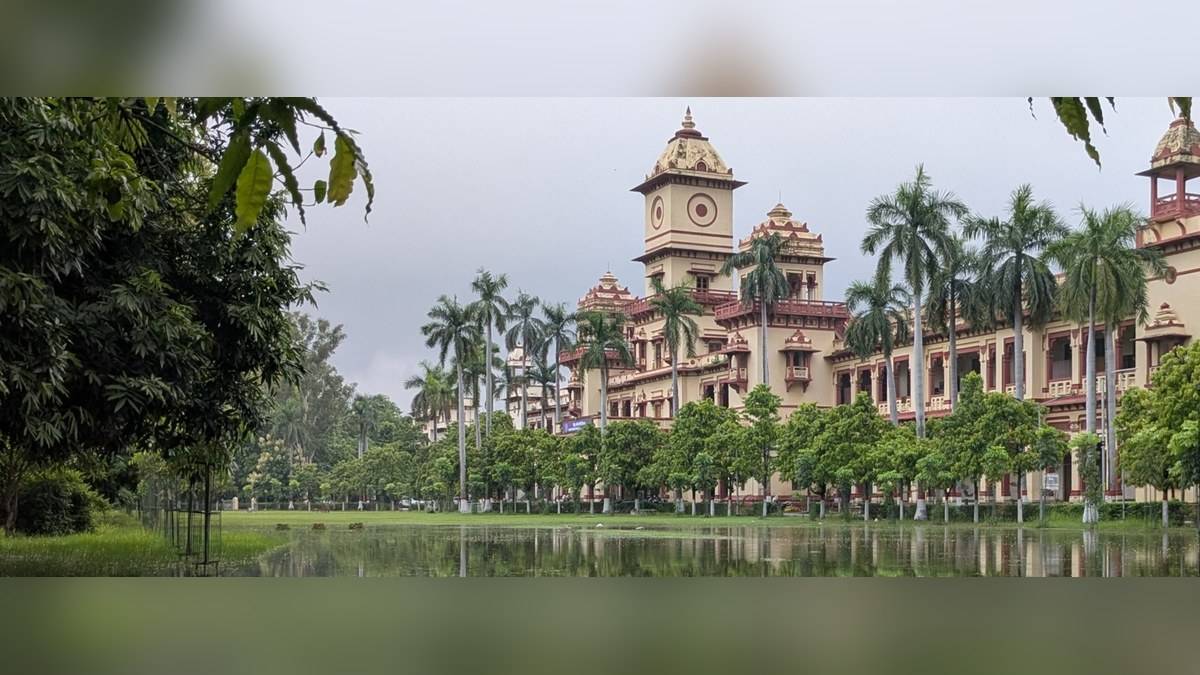
The architectural section examines historic BHU and IIT (BHU) buildings through drawings, plans and photographs. It sets out features of buildings described as around 110 years old, including their engineering, architectural style, decorative details and window designs. This gives students interested in the campus itself a second route into the exhibition beyond the freedom movement records.
The presentation was prepared under the direction of visiting professor Amita Sinha. Reports describe approximately two months of preparation by the IIT (BHU) team. The institute's official website also sets out its institutional history, including the start of engineering education at BHU in 1919 and its later development. That background is separate from the exhibition announcement.
The institute's account identifies three predecessor colleges: Banaras Engineering College, the College of Technology and the College of Mining and Metallurgy. They merged into the Institute of Technology in 1968, and it became IIT (BHU) on June 29, 2012. For someone following the architectural section, this chronology helps distinguish the older campus buildings from the institution's later administrative form. The present IIT name therefore does not mean that the buildings themselves date only from 2012.
Mahamana Archives coordinator Professor Dhruv Kumar Singh said IIT (BHU) supplied 10 pictures, while 64 came through the Uttar Pradesh State Archives in Lucknow under director Amit Kumar Agnihotri. Those contribution figures sit within the larger display of approximately 300 items. They should not be added to that approximate total as if they were separate exhibitions.
A seminar on the importance and preservation of historical records accompanied the exhibition. Its stated purpose was to encourage interest in archives, support history writing based on primary sources and promote research into Banaras. The programme brought preservation and the use of documents into the discussion alongside the objects on display.
What residents should do
Students planning an assignment should first ask about access to the relevant section and whether photography, copying or consultation of individual records is permitted. Public display of an item does not by itself establish permission to reproduce it. No copying service, research appointment process or digitised exhibition collection was confirmed in the material checked.
For wider campus context, readers can see our earlier reports on the city's Biennale programme, the BHU seminar on livelihoods and the university's convocation consent notice. Each has its own arrangements. None should be treated as an entry notice for the Malaviya Heritage Complex exhibition.