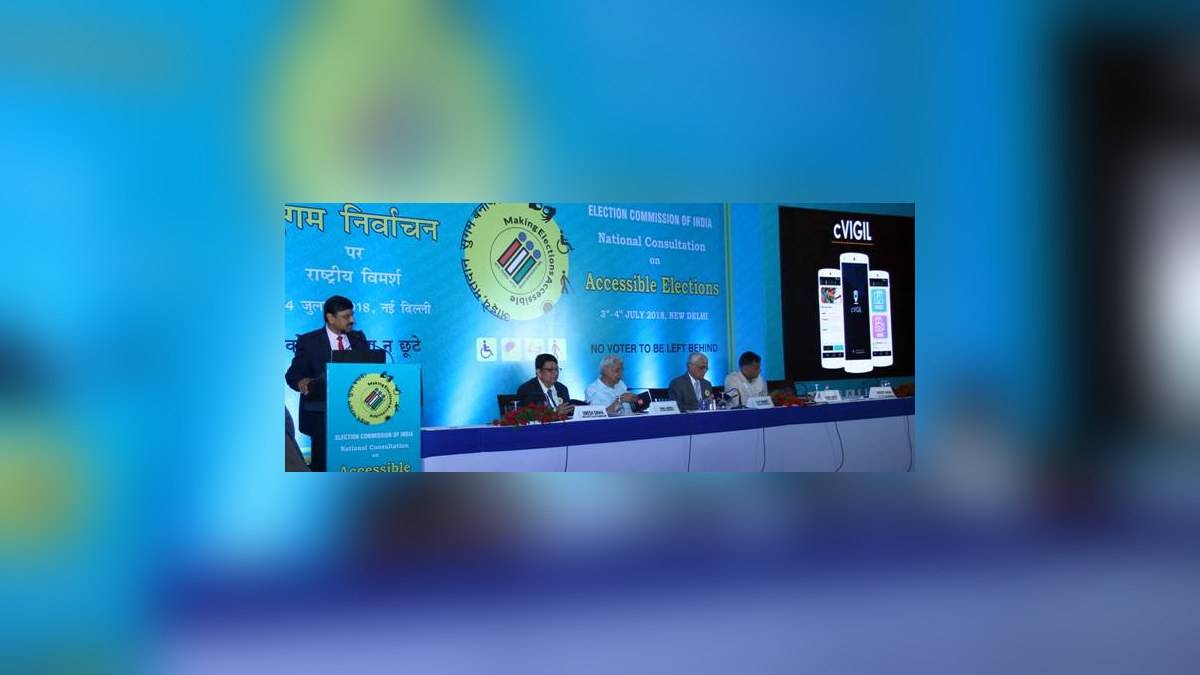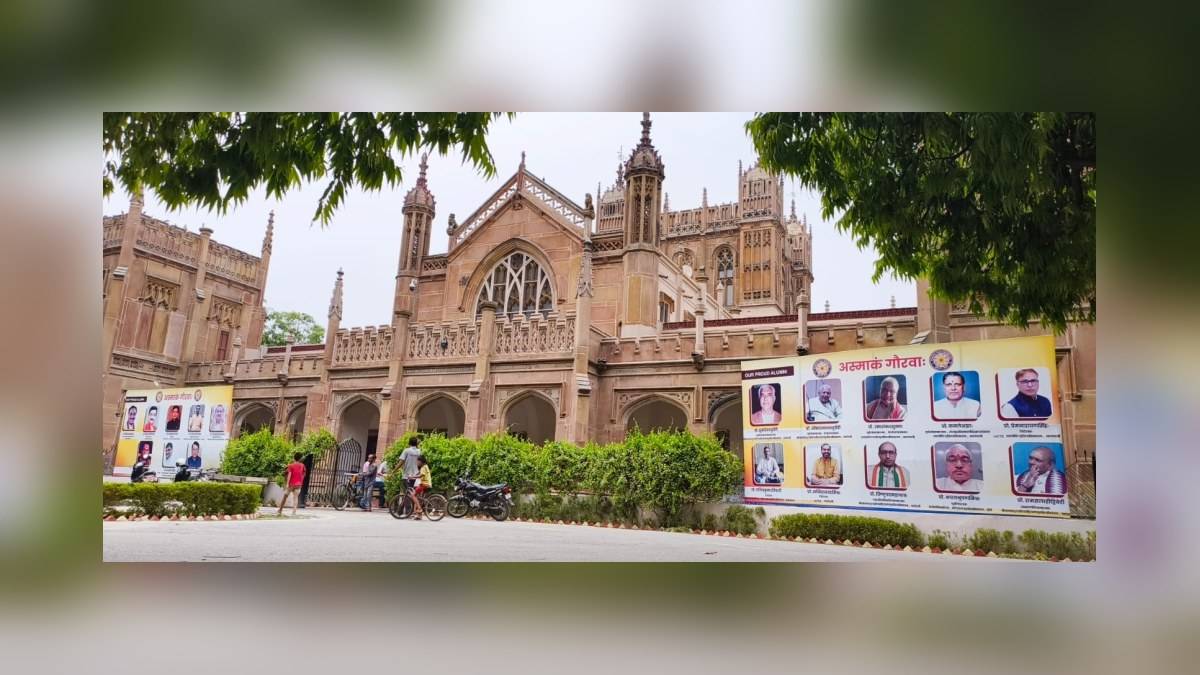
VARANASI: An Ayurveda research awareness initiative at Sampurnanand Sanskrit University in Jagatganj, reported on Sunday, November 29, 2026, has highlighted a Rs 50,000 studentship for eligible undergraduates. Students connected with the university in Varanasi should first check the programme's current status: the official SPARK portal says registration and proposal submission for its 2026-27 cycle closed on November 16 at 5 pm IST.
Reports published on November 28 and 29 describe the university encouraging students to learn about the Central Council for Research in Ayurvedic Sciences programme. They identify Vice Chancellor Prof. Bihari Lal Sharma with the awareness effort. The initiative concerns research support for BAMS students, rather than an unconditional payment to everyone studying Ayurveda.
For local students, the immediate task is to distinguish information about the scheme from permission to submit a fresh application. The official SPARK portal expressly says requests to extend registration or proposal submission will not be entertained. Its displayed deadline has passed. A recent awareness report should therefore not be treated as a new application window.
What the Rs 50,000 support covers
SPARK supports short independent research projects intended to introduce Ayurveda undergraduates to research methods. The detailed guidelines put the studentship at Rs 25,000 a month for two months, making Rs 50,000 in total. Payment follows completion of the research and approval of the final report. An application or initial selection by itself does not establish entitlement to payment.
The institution or medical college where the project is carried out must meet the research costs. The student's stipend is a separate component. The guidelines also allow students and guides to approach council institutes for help with developing and carrying out their proposals. They do not promise employment in the council or the Ministry of Ayush after a project ends.
Eligibility is limited to Indian BAMS students in the first through fourth years, before they appear in their fourth year final examination, studying in recognised Ayurveda colleges. Interns and postgraduate students are excluded. The project must be carried out at the student's own medical college with an eligible regular faculty guide.
Selection depends on the proposal and college screening
The council's detailed programme guidelines describe two elements in selection: a 30 per cent weighting for the marks index and 70 per cent for expert assessment of the research plan. For first year students, the school leaving examination marks supply the academic component. Other applicants are assessed using their previous year marks.
A college screening committee must recommend the proposal, with endorsement from the head of the institution. The programme limits recommendations to 10 per cent of the sanctioned annual undergraduate intake. The council gives the example of a college with 100 annual undergraduate seats forwarding 10 proposals. This is an institutional screening limit, not a guarantee that all forwarded projects will receive awards.
A student may submit one proposal on a selected topic. The rules say multiple proposals from the same student lead to rejection. A guide can supervise a maximum of two students under the programme, while students cannot submit the same topic as a joint group project.
What students should check with their guides
The official frequently asked questions explain that the application attestation form needs certification by the guide and attestation through the department and institutional authorities. Applicants should retain their SPARK reference ID for subsequent programme correspondence.
For proposals involving people or animals, the relevant ethics approval must be obtained before actual research begins. Submission of the approval document with the initial proposal is optional, but the document is compulsory with the final report. The council warns against substituting an unrelated document where approval has not yet been obtained.
The same guidance says undergraduate students are not authorised to prescribe interventions or perform procedures on patients. Clinical work within this studentship can include observational studies under an authorised medical authority or faculty member. Students should discuss the permitted scope with their guide before beginning any work.
The 2026-27 submission instructions describe an existing project record that can be viewed after submission. They advise using the editing route for corrections instead of registering again, and say the editing facility is time limited. These instructions do not override the closure notice or establish that editing remains available on a particular date.
Keep separate university notices separate
The university has other student notices with their own eligibility and deadlines. Readers can consult earlier local coverage of the November 29 examination form extension, the November 30 guest teacher interviews and the Shastri qualification clarification. None of those notices changes the SPARK deadline. Students who already submitted a research proposal should follow the council's official instructions and their institutional guide's advice for that application.