
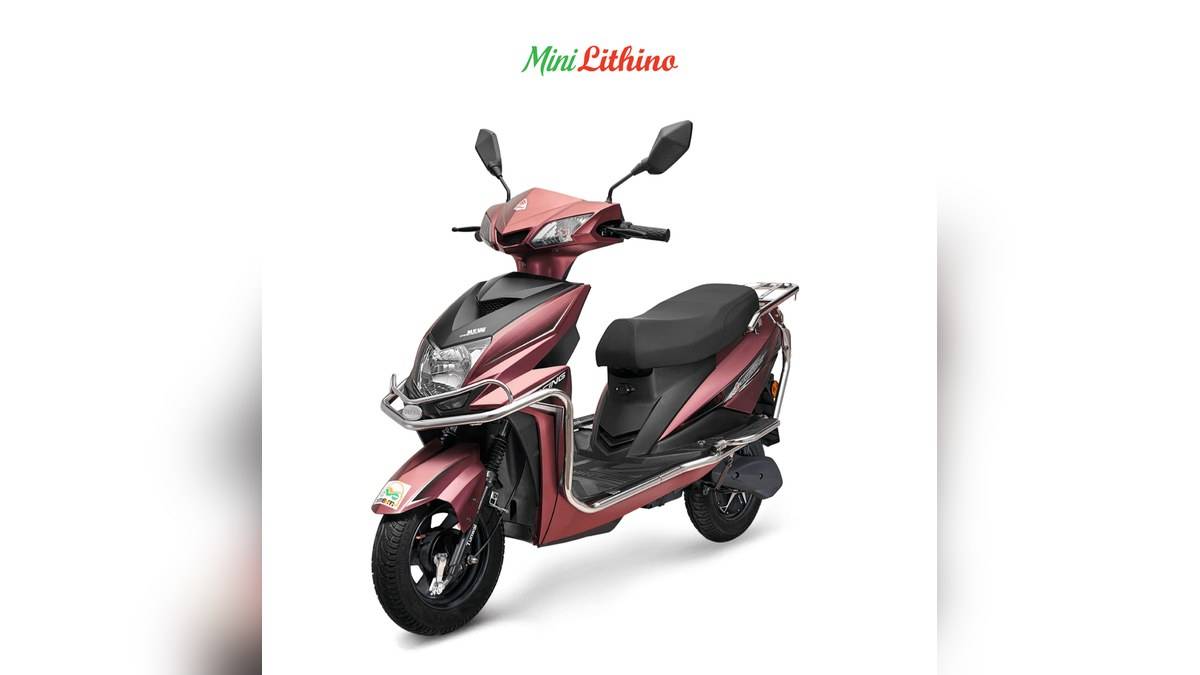
NEW DELHI: Tunwal's Mini Lithino is listed at Rs 45,990 ex-showroom for the 10-inch wheel version and Rs 55,990 for the 12-inch version. The official price table gives both the same lead-acid battery, claimed range and speed ceiling. The higher price therefore needs to be understood through the wheel and front-brake specification, rather than an assumed improvement in distance per charge.
| Priced version | Ex-showroom price | Battery | Front brake |
|---|---|---|---|
| 10 Inch | Rs 45,990 | Lead-acid 32Ah | Drum |
| 12 Inch | Rs 55,990 | Lead-acid 32Ah | Disc |
| Both versions | Claimed range 50 to 55 km; top speed 25 km/h; charging 7 to 8 hours | ||
| Base motor listing | 250 W BLDC | ||
Price as of 24 November 2026, 23:04 IST. Source: Tunwal E-Motors' Mini Lithino product page. The figures above follow its priced variant table. Generic lithium-ion references elsewhere on that page do not supply another variant price, so no lithium-ion price or specification is inferred here.
What separates the wheel variants
The published distinction is useful because inexpensive scooters are often compared only by their starting price. Here, the quotation should identify the wheel version as well as the model. Otherwise, a buyer can end up comparing a smaller-wheel listing against a larger-wheel demonstration vehicle without realising why the amounts differ.
The front brake is another reason to inspect the actual scooter. The specification associates a drum with the smaller wheel version and a disc with the larger one; the rear is a drum. That identifies equipment, but does not establish measured braking distances or prove which version a particular rider will find easier to control.
The rest of the scooter still sets the limits
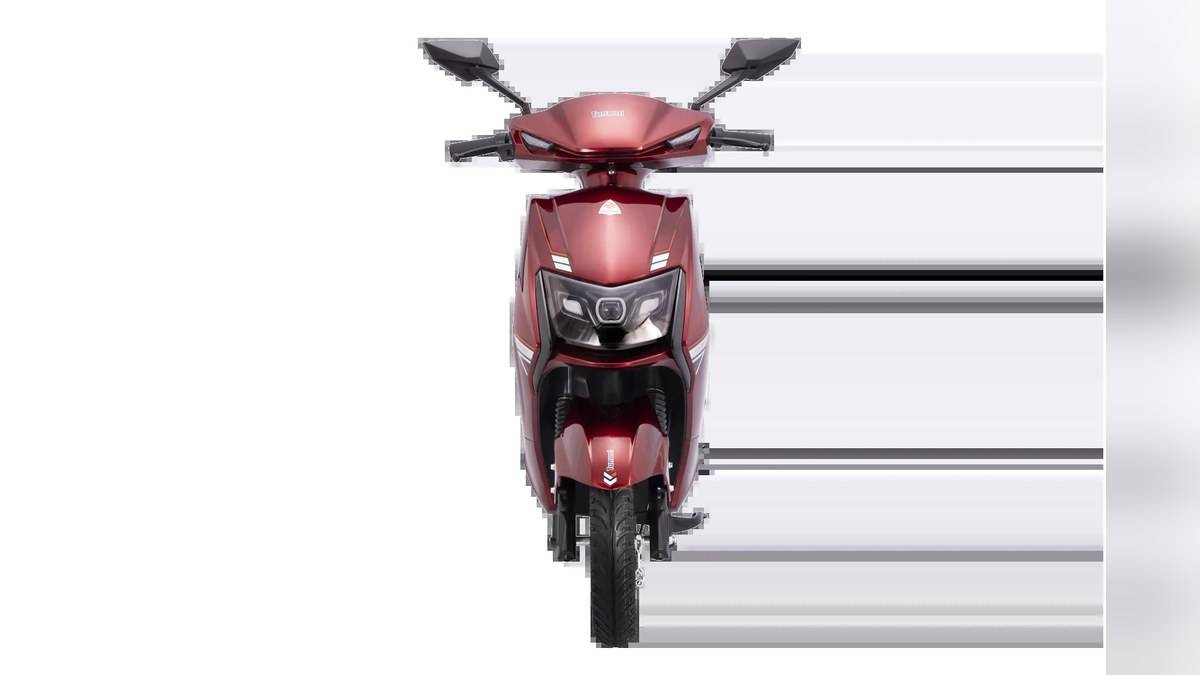
Tunwal describes the Mini Lithino as a compact commuter for short city journeys. In that setting, the key test is whether the riding position, steering movement and parking footprint work for the owner. A compact appearance in a product picture is not a substitute for checking it at the building entrance or in the allotted parking space.
Both priced versions remain low-speed vehicles in the company's table. Do not interpret the more expensive wheel option as a faster specification. Route selection still matters: quiet local streets and fast arterial roads make different demands, irrespective of the distance shown by a navigation app.
The range band should also remain a manufacturer claim. Leave room for errands and route changes rather than planning around its upper end. A scooter used to connect home with local shops may fit the routine well, while a journey that depends on reaching the advertised maximum every day creates a much tighter operating margin.
Lead-acid charging is part of the purchase
The priced table gives a lead-acid configuration for each wheel version. Before taking delivery, have the seller identify the battery label, charger and matching paperwork. This is especially important because the broader promotional copy mentions more than one chemistry without mapping a separate lithium price to the wheel choices.
Plan the charging location around the actual equipment supplied. Establish whether the scooter must remain beside the socket and how its charging lead reaches the connector. The source does not confirm a removable-battery procedure, so a plan to carry the pack upstairs needs explicit verification rather than guesswork.
A long overnight stop is easier to accommodate when parking and electricity access are settled in advance. Shared garages, locked gates and household routines can complicate an otherwise short commute. Check those arrangements before treating home charging as a solved problem merely because a socket exists somewhere on the premises.
Equipment and ownership questions
The official table lists a digital console, remote locking and anti-theft equipment, with neither a USB port nor reverse gear. Ask for a demonstration of the controls and make sure the display is readable from your normal seating position. Practise moving the scooter into a parking bay without relying on an electric reversing function.
The manufacturer advertises a one-year comprehensive warranty, but the headline does not resolve every battery condition. Obtain the full terms, charging instructions and claim procedure. For an owner choosing this as everyday transport, clarity about where diagnosis and repairs happen is more useful than a broad assurance that service exists somewhere in the network.
Who it suits and which alternatives to examine
The Mini Lithino belongs on the shortlist for a rider seeking a compact local commuter with overnight charging access. Its wheel choices create a specific comparison within the model, but the final decision should still follow a representative test ride. Comfort and manageable parking effort deserve as much attention as the difference in price.
Our Tunwal Lithino Pro price: Rs 70,990 ex-showroom, Tunwal E-Boat price list: Rs 68,500 to Rs 92,400 and What Rs 69,093 buys in the Okinawa Lite scooter offer other reference points. Compare the complete supplied configuration and charging arrangement before drawing conclusions from model names or starting amounts alone.
There is a useful comparison inside Tunwal's range: the larger-wheel Mini Lithino costs more than the listed Alfa Lite, even though Alfa Lite carries a higher range claim. That makes the Mini's larger-wheel version worth comparing directly with the differently shaped Alfa Lite rather than assuming it is the automatic next step from the cheaper Mini.
Official source: Tunwal Mini Lithino specifications and wheel-variant prices and Tunwal's model comparison selector.