Testing Begins on New 100-MLD Unit at Chandu Budhera Water Plant
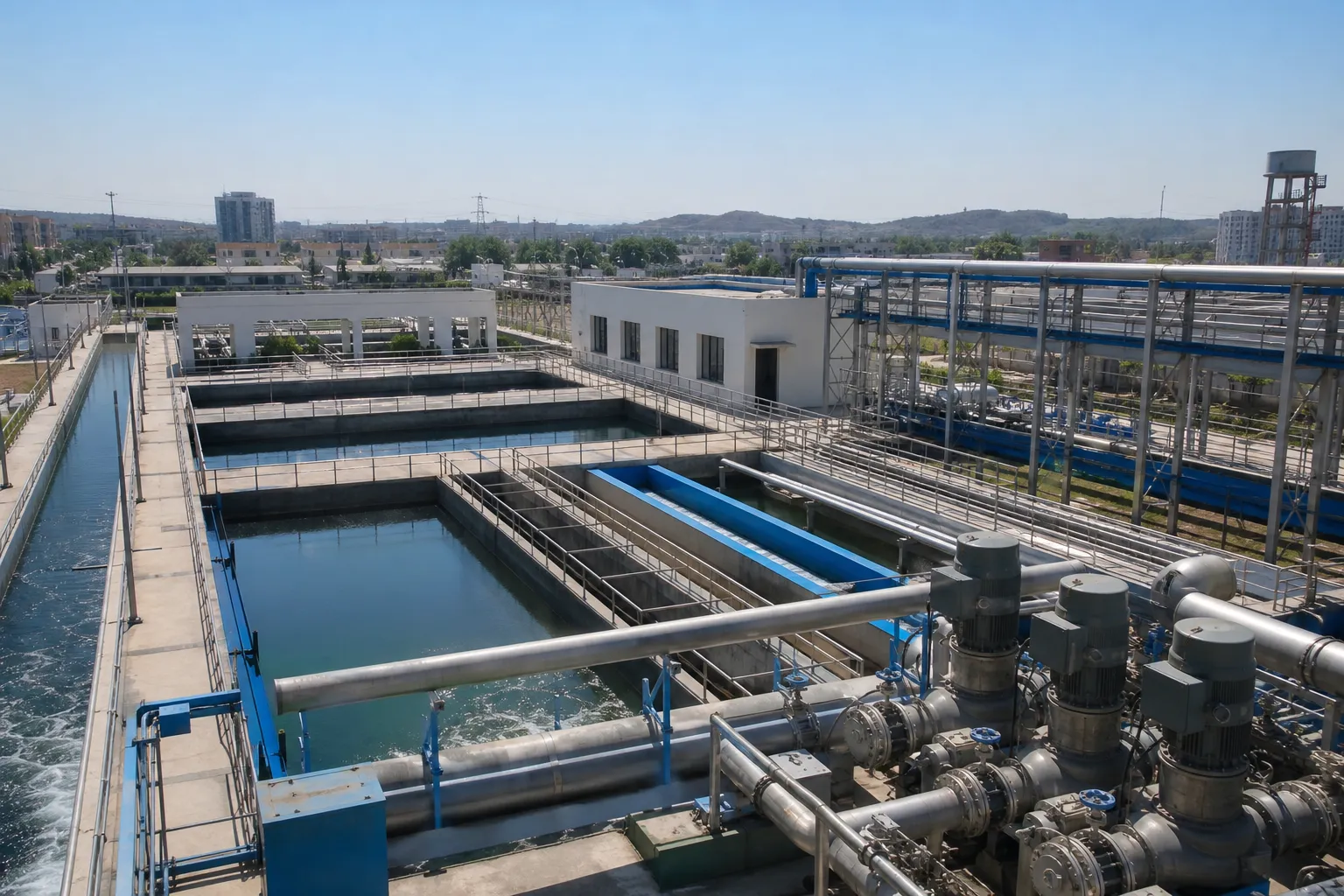
Gurugram Metropolitan Development Authority has begun testing a fifth 100-million-litre-per-day filtration unit at the Chandu Budhera water treatment plant. Pumps and other machinery are being calibrated before a planned three-month trial period, after which the unit can move towards regular commissioning.
Once operational, the addition is expected to raise GMDA's combined treatment capacity to about 770 MLD across its facilities. The extra 100 MLD is significant for a city where new sectors and high-density housing continue to increase demand, but it will not by itself guarantee equal water pressure at every household.
Treatment capacity is only the first link in the supply chain. Clear water must travel through master lines, boosting stations and local distribution networks before reaching a colony. Leaks, unauthorised connections, undersized sector pipes and poorly timed valves can absorb the benefit of a new unit long before residents open a tap.
The trial period is therefore essential. Engineers must test water quality, flow stability, electrical loads, filter performance and backup arrangements under different operating conditions. Rushing a new unit into continuous service before calibration can damage equipment or produce erratic output, especially when raw-water quality changes during the monsoon.
GMDA's own planning estimates place Gurugram's water demand at around 1,170 MLD by 2031. Even after the new unit, the gap between treatment capacity and projected demand remains substantial. That forecast makes parallel expansion, groundwater protection, rainwater harvesting and reuse of treated wastewater part of the same water-security story.
Supply planning must also account for maintenance. A city cannot assume every filtration unit will run at nameplate capacity every day. Filters require cleaning, pumps fail and electrical shutdowns occur. Operational data should therefore distinguish installed capacity from average daily production and water actually delivered into each major distribution zone.
Residents will judge the project through pressure, timing and quality rather than MLD figures. GMDA should publish trial results, commissioning dates and the sectors expected to benefit from the added output. If downstream augmentation is still required, that should be stated clearly so communities do not expect an immediate change that the network cannot yet provide. Regular laboratory readings for turbidity, residual chlorine and other basic parameters would make the commissioning process easier to trust.
The fifth unit is a necessary expansion and a tangible project entering its testing stage. Its full value will emerge only when treatment, transmission and neighbourhood distribution are managed as one system. Gurugram needs more water capacity, but it also needs transparent accounting of where every additional million litres goes, how much is lost and when consumers can expect measurable improvement.
Sources and reporting
Based on GMDA's commissioning update for the fifth filtration unit at Chandu Budhera, including calibration work, three-month trials and the projected 770-MLD total capacity.
Related Stories
Four Held for Stone Attack on Manesar Drive
GMDA Plans Rs 20 Cr Dwarka Sector Road Works
Metro Phase-2 Tender Delay Puts 2029 at Risk
SC Flags IAF Depot Buffer Encroachments
DTCP Seals 17 Sites in Sushant Lok Drive