
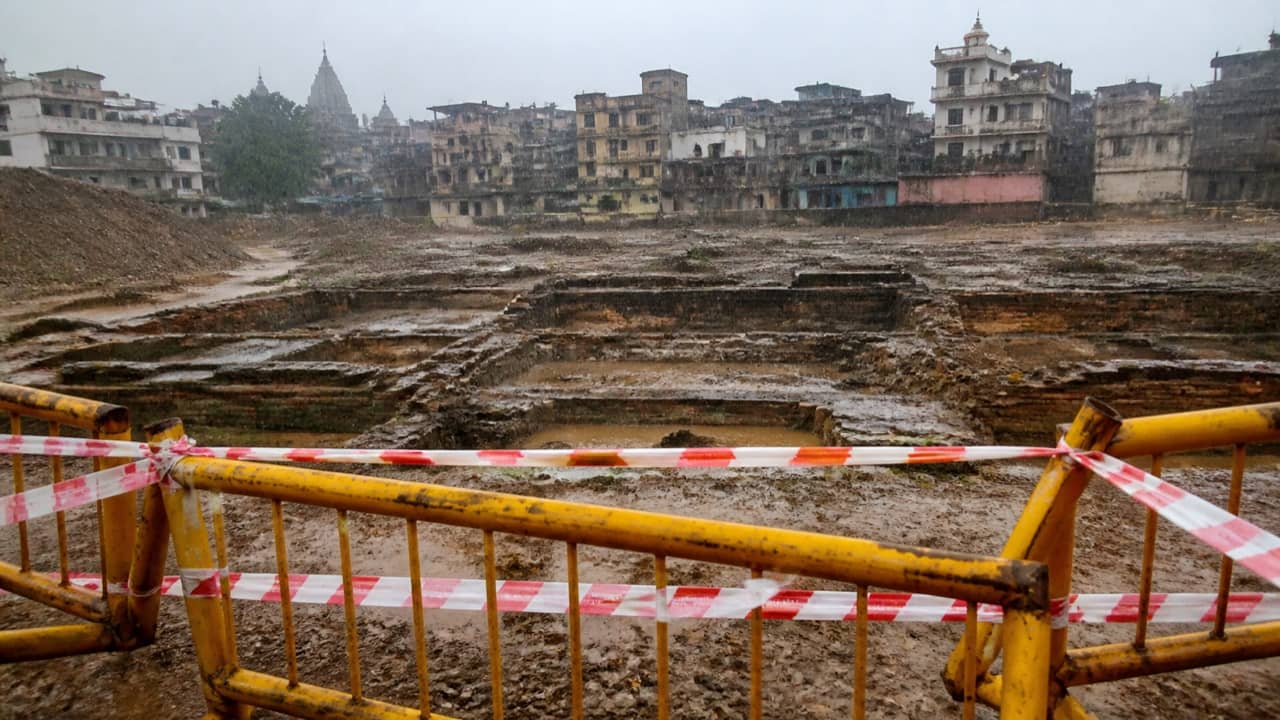
VARANASI: A 10-year-old boy died after apparently falling into a rain-filled pit on a vacant plot in Belwariya under Shivpur police station, turning an unguarded depression into a fatal neighbourhood hazard. The child, identified as Ashu Patel, had been missing since morning. His family searched the area before his body was found in the accumulated water, according to the report.
The source account said the pit had filled during the recent heavy rain and was located on an empty plot. Family members and residents discovered Ashu after looking for him for several hours. The report did not establish how he entered the plot or whether anyone witnessed the fall. Those details should remain part of the police inquiry rather than be filled by local speculation.
After a cloudburst, vacant land can change shape overnight. An excavation that was visible the previous day becomes a flat, muddy surface whose depth is impossible to judge. Children may approach it out of curiosity or while taking a shortcut. With no railing, warning tape or lighting, the danger is easy to miss until someone steps beyond the edge. Murky water also makes rescue slower because the exact point of entry is unclear.
Open pits are created for foundations, utilities, soil removal and drainage work, but responsibility does not end when work stops. The owner, contractor or agency controlling a site should secure it against entry, maintain a stable barrier and pump out water where feasible. A handwritten warning is not enough for a child who cannot see it in the dark or does not understand the depth behind it.
The immediate loss belongs to Ashu's family; the public question is whether the site was preventably unsafe. Police and civic officials should identify the plot owner, measure the pit, record the condition of its boundary and determine when it was excavated. If earlier complaints exist, those records must be preserved. A quick refill of the hole without documentation could remove evidence needed to establish accountability.
Varanasi's wards need a rapid post-rain survey of open plots, construction excavations and roadside trenches, particularly near schools and dense housing. The first response can be modest: barricades, reflective tape, a local guard and a complaint number displayed at the site. Permanent fencing and drainage can follow. Residents who know of a similar hazard should send a location-stamped photograph to the ward office and retain the acknowledgement.
If a child is missing near floodwater, ponds or an excavation, adults should alert emergency services immediately rather than search silently for hours. No one should enter murky water without a rope, flotation support or trained help; a second drowning compounds the tragedy. Children should be told that rain-filled pits are not puddles, but the duty to make the site inaccessible rests with adults and authorities.
This report is based on a Live Hindustan account published on 26 August 2026. Dalimss News independently rewrote, checked and contextualised the available information. Where a claim, allegation or opinion is attributed to a person or institution, it remains their statement; no on-scene reporting or independent interview is claimed.