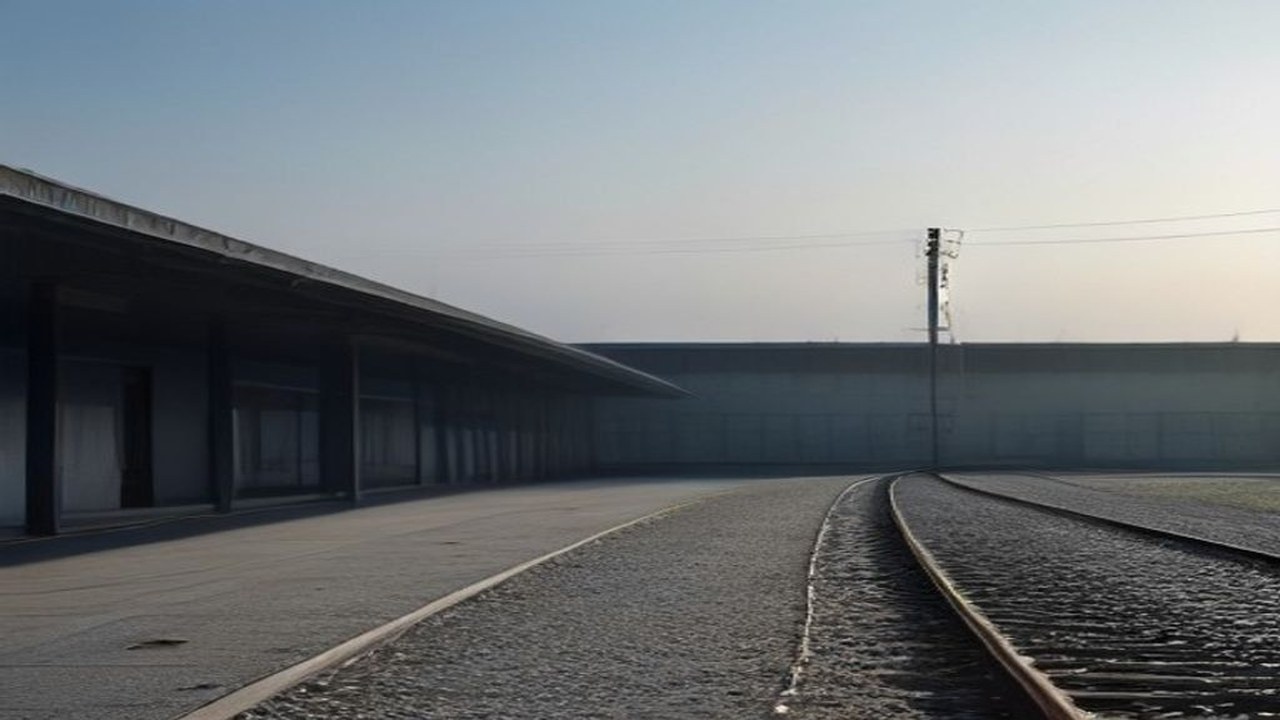
Taksal Cinema Hall Demolition Marks End Of A Single-Screen Era In Varanasi

Varanasi: Some buildings do not disappear quietly. They remain in the language of a city, in directions people still give, in stories parents repeat, and in the small rituals that once made ordinary evenings feel special. For many Banarasis, Taksal Cinema Hall was one such place.
The old single-screen cinema, remembered by generations of moviegoers in Varanasi, is now being demolished. Visuals from the site show the building stripped down, its walls exposed and its familiar presence reduced to brick, dust and memory. For those who grew up around the city's older cinema culture, the sight has brought a mix of sadness, nostalgia and acceptance.
Dalimss News journalist Rudraksh Sehgal visited the location and captured the mood around the demolition in a reel that has struck an emotional note with viewers. The post described Taksal Cinema as more than a building: a place of first dates, weekend outings, childhood memories, family plans and stories that belonged to an entire generation of Banaras.
Before multiplexes changed how people watched films, a single-screen theatre had its own rhythm. Buying a ticket was an event. Reaching early mattered. The queue outside the counter, the smell of snacks, the rush before the first scene, the whistles when a hero entered and the arguments during the interval were all part of the experience. Taksal Cinema carried that older rhythm for many residents who still associate the hall with school holidays, college friendships and family evenings.
The demolition also says something larger about Varanasi's changing urban landscape. Across Indian cities, older cinema halls have struggled to survive as viewing habits moved towards multiplexes, streaming platforms and mall-based entertainment. What was once a shared neighbourhood experience has gradually become more fragmented, more expensive and often more private. The loss of a single-screen hall is therefore not only about a structure. It is about the slow fading of a public culture where strangers watched, laughed and clapped together.
At Taksal Cinema, the emotional response is especially strong because the memory belongs to many age groups. Older residents remember the days when a film release could pull crowds from different parts of the city. Middle-aged viewers remember taking children there. Younger people may know the hall more through stories, but even that borrowed memory has weight in Banaras, a city where places often live longer in conversation than they do in concrete.
There is still no publicly detailed redevelopment picture in the material reviewed for this report. What is visible for now is the demolition itself and the reaction it has generated. Residents and former visitors are using the moment to share memories, photographs and small personal accounts before the physical site changes beyond recognition.
That act of remembering matters. Cities need new buildings, safer structures and updated spaces, but they also need a record of what stood there before. If a place carried decades of public memory, it deserves more than a silent disappearance. Taksal Cinema may no longer stand as a theatre, but the stories attached to it are still very much alive.
For Banaras, this is not just the demolition of an old cinema hall. It is the closing shot of a single-screen era.
Sources and reporting
Based on Dalimss News visuals recorded outside Taksal Cinema Hall in Varanasi on 7 August 2026, the Instagram reel by journalist Rudraksh Sehgal supplied for publication, and public local context about the cinema's closure and demolition.
Related Stories

VMC Steps Up Cleaning and Lighting Ahead of Ramnagar Ramlila From 25 September
Phoolpur Police Recover Missing 16-Year-Old From Pindra After Three Days
BHU Dairy Science Team Wins Indian Patent for Milk–Aloe Antacid Tablet
IMS-BHU Opens Seventh Paediatric Dialysis and Apheresis Training Module
Mahanagari Express to Halt at Varanasi Cantt From 21 September