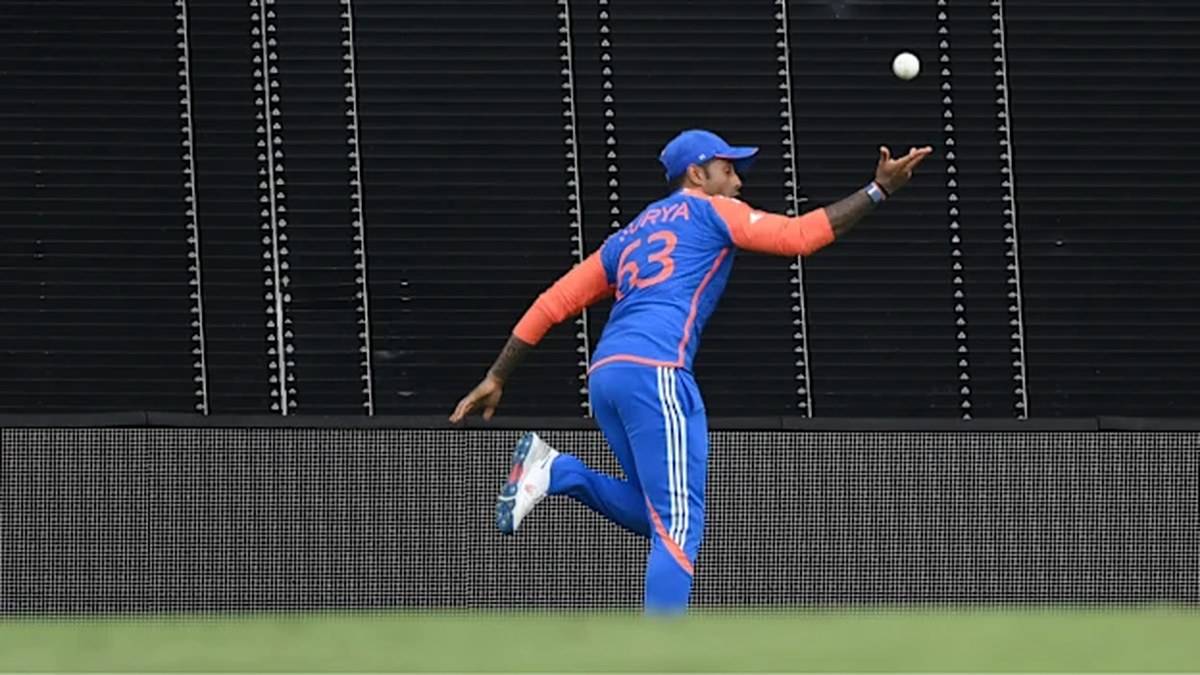
India has already qualified for the ICC Men's T20 World Cup 2028, along with 11 other teams, according to the ICC's published qualification list. The competition will have 20 teams and be hosted by Australia and New Zealand. For the remaining eight places, the ICC has outlined a 16-team Global Qualifier, but its July announcement makes final approval of that tournament conditional on a review at the November meetings.
That distinction matters when searching for T20 World Cup 2028 qualification rules. Confirmed automatic entry, a place in a regional final and a proposed Global Qualifier berth represent different steps. This guide reflects the official pages checked as of 13 November 2026, 11:12 PM IST. The ICC's 11 November update says its Board meetings run until 15 November; it does not announce final approval of the Global Qualifier.
| Question | Official position |
|---|---|
| How many World Cup teams? | 20 |
| Hosts | Australia and New Zealand |
| Automatic qualifiers listed | 12, including India |
| Places still to be filled | Eight |
| Proposed Global Qualifier field | 16 teams, subject to final approval |
Which teams have qualified for T20 World Cup 2028?
The ICC lists Afghanistan, Australia, Bangladesh, England, India, Ireland, New Zealand, Pakistan, South Africa, Sri Lanka, West Indies and Zimbabwe as the 12 automatic qualifiers. Its July announcement attributes those places to performances in the 2026 tournament and team rankings. Indian supporters therefore do not need to track the regional qualification rounds to establish India's entry.
Automatic qualification settles participation in the World Cup. It does not settle a team's first opponent, group allocation or individual match dates. Those details require separate official announcements. A list of qualified teams should consequently not be treated as a fixture list, even when the host countries are already known.
How would the 16-team Global Qualifier work?
Under the published structure, eight teams from the 2026 World Cup would enter the Global Qualifier directly: Canada, Italy, Namibia, Nepal, Netherlands, Oman, United Arab Emirates and United States. The other eight places would come through regional qualification. The two routes together create the proposed field of 16, from which eight teams would reach the World Cup.
The regional allocation is two Global Qualifier places each for Africa, Asia and Europe, plus one each for the Americas and East Asia-Pacific. These are places in the proposed qualifying competition. They should not be read as eight guaranteed direct regional tickets to the World Cup itself. That additional competitive step is central to understanding the July pathway.
The ICC's stated selection method at the Global Qualifier would send the highest placed team from each of the five regions to the World Cup, together with the next three highest placed teams overall. The announcement attaches minimum performance criteria to this arrangement. It does not give a numerical threshold in the pages reviewed, so predicting qualification simply by calling a team a regional leader would go beyond the published detail.
Why is Scotland's route different?
The ICC places Scotland directly in the Europe Regional Final, rather than among the eight direct Global Qualifier entrants. Its explanation cites exceptional circumstances surrounding Scotland's participation in the 2026 tournament. Scotland therefore has a specifically identified starting point in the regional pathway; it is not listed as an automatic qualifier for the 2028 World Cup.
This exception also shows why participation in the previous World Cup cannot be used on its own to determine every team's next step. Readers should check the named entry lists in the ICC's official format and qualification explainer, which distinguishes Scotland's position from those of the eight direct Global Qualifier entrants.
Which Asian teams have advanced, and what comes next?
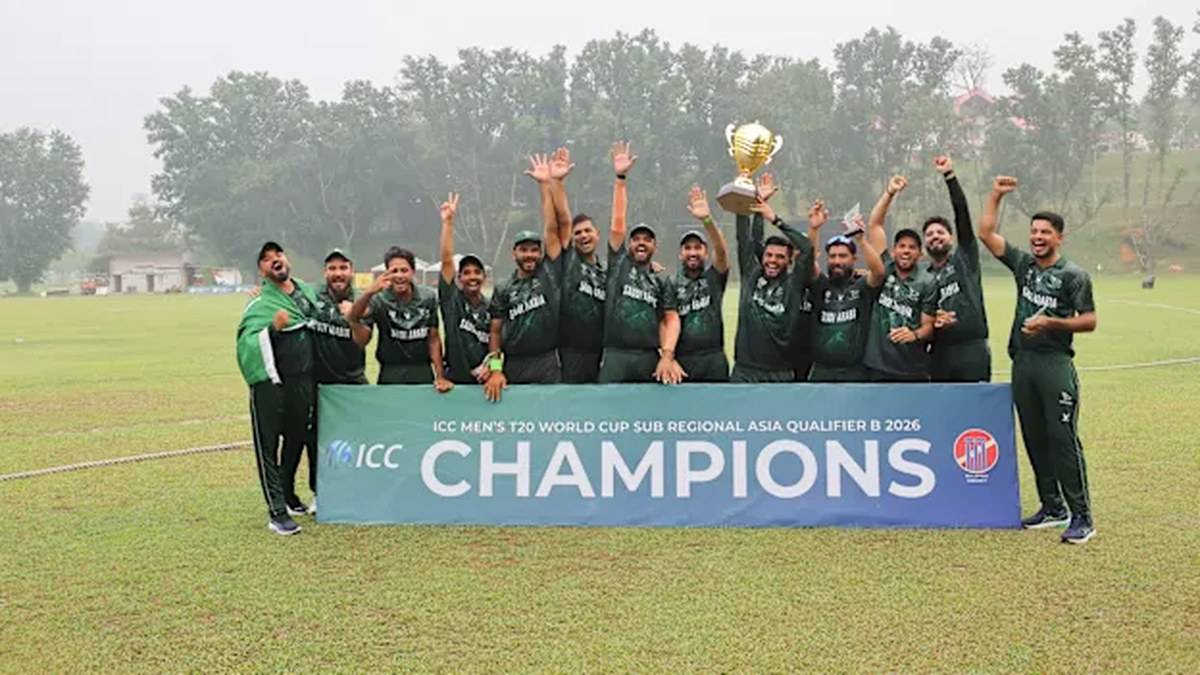
The ICC's 14 October qualification update confirms that Kuwait, Bahrain and Qatar progressed from Asia Sub-Regional Qualifier A. Saudi Arabia, Hong Kong, China and Malaysia progressed from Qualifier B. Here, Hong Kong, China is the name of one team. Kuwait and Saudi Arabia finished as champions of their respective events.
Those six teams advanced to the Asia Regional Final in 2027, where Global Qualifier places are to be contested. They did not secure World Cup entry by finishing in the qualifying positions in Malaysia. The sequence is subregional progress, then the regional final, then the proposed global competition. That is the relevant distinction for supporters following Nepal, Oman or the other Asian teams through different entry routes.
Is the Global Qualifier finally approved?
The July announcement says the Board endorsed the new competition, with final approval to follow a Finance and Commercial Affairs Committee review at the November meetings. The 11 November Bali meetings update discusses qualification frameworks but does not state that this final approval has been granted. Until a subsequent decision is published, the approval condition remains part of an accurate explanation.
For the World Cup itself, the ICC has published a format with five groups of four, followed by two Super 10 groups of five. Group winners in the Super 10 would reach the semi-finals directly, with second and third placed teams contesting cross-group eliminators. For help interpreting separate tournament rules, see our guides to Retired hurt vs retired out: when a cricket batter can return, How to calculate net run rate: T20 World Cup rules and examples and ICC rankings calculation: team ratings, player points and the all rounder formula.