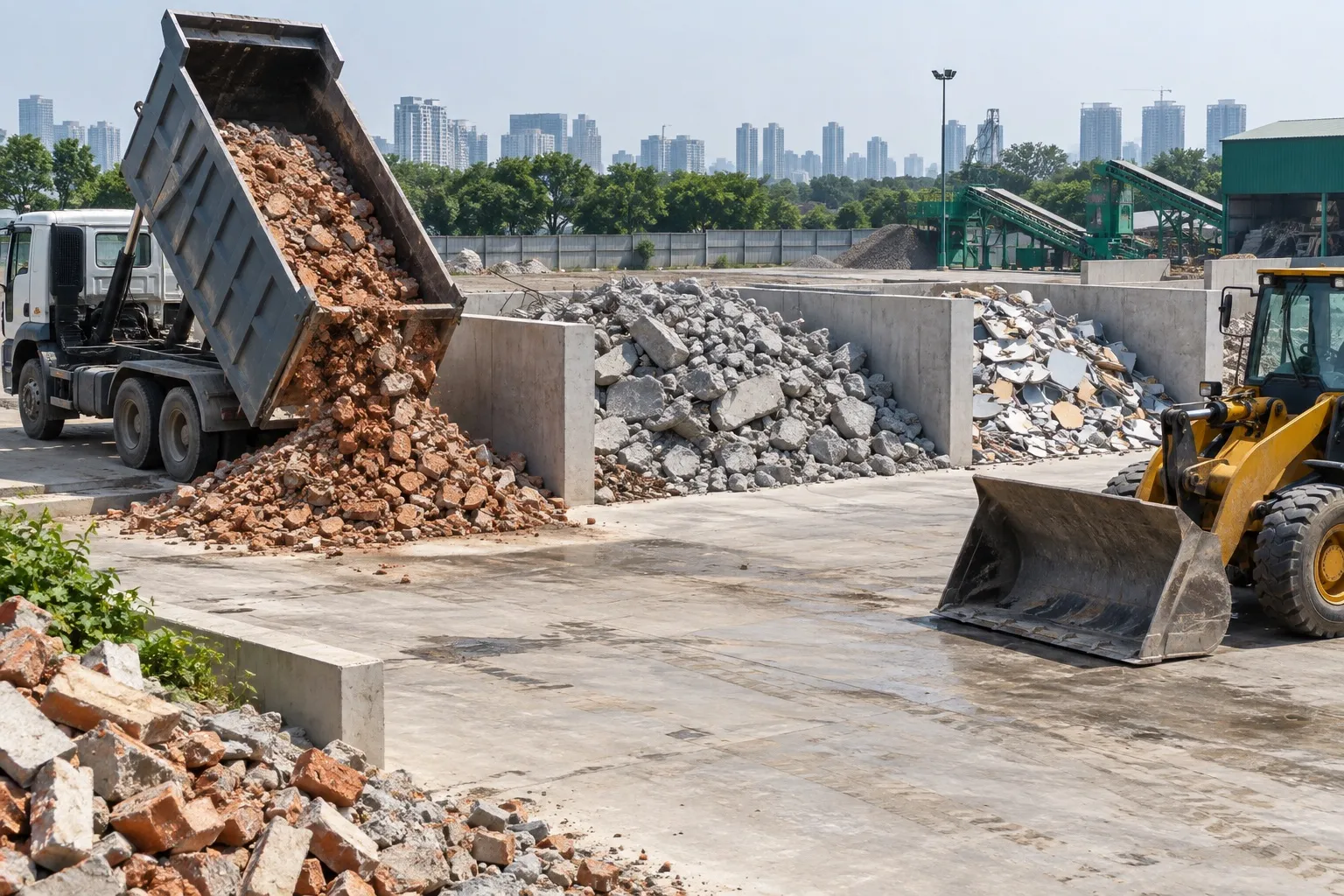
Supreme Court Sets January 1 Deadline to Vacate Unsafe Chintels Flats
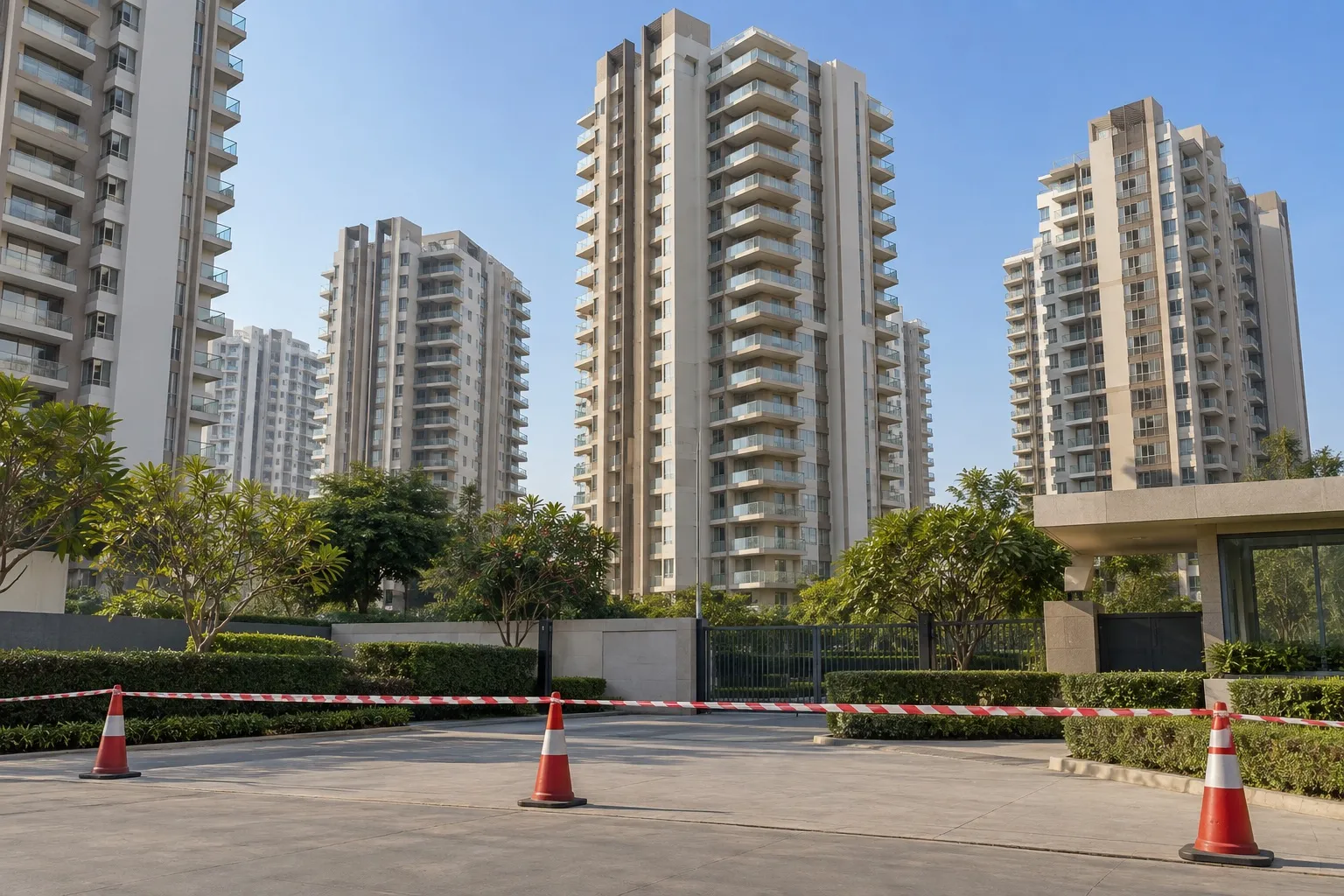
GURUGRAM: The Supreme Court has directed the remaining occupants of unsafe towers at Chintels Paradiso in Sector 109 to hand over their flats by January 1, 2027, clearing a path for reconstruction more than four years after a partial collapse killed two residents.
Around 90 occupants had not vacated, preventing redevelopment of the full nine-tower complex containing 532 flats. The court recorded a settlement under which residents in buildings declared unsafe must sign the required agreements and deliver possession by the deadline. It said no further extension would be entertained.
The direction follows a structural assessment by the Central Building Research Institute that found the complex's towers unfit for habitation. Towers D, E, F, G and H in Phase I have already been demolished. Some flats in Towers A, B, C and J in Phase II remained occupied.
Rent, relocation and escrow safeguards
Eligible homeowners are to receive fixed rent for alternative accommodation from January 31, 2027 until their rebuilt flats are handed over. The developer has also been directed to pay a one-time relocation amount of Rs 40,000 to each eligible homeowner in Towers A, B, C and J.
A deposit of Rs 5 crore must be placed in an escrow account to secure rental payments. An escrow mechanism separates the money from day-to-day company finances and gives residents a defined pool against which the continuing rent obligation can be monitored.
The developer and its redevelopment partner have said construction will be completed within four years from the date residents vacate, subject to statutory approvals. That qualification is important. The four-year clock and the approval process must be recorded in a detailed schedule so homeowners can see which delay is attributable to design, sanction, demolition or construction.
Owners retain redevelopment or buy-back routes
Of the 532 flat owners, 196 chose a buy-back at Rs 6,500 per square foot of super area along with specified stamp-duty, shifting and rental components. Another 164 opted for redevelopment. About 172 had not initially selected either route, and roughly 90 of them had continued to occupy their homes. The court has left the buy-back option open to owners who still wish to exercise it.
Phase II homeowners have agreed in principle to contribute Rs 1,000 per square foot if the named partner undertakes redevelopment. The court has stated that existing owners should not face an additional or hidden financial burden beyond the recorded framework.
All disputes about implementation are to be brought before the Supreme Court, and other courts or authorities have been restrained from issuing orders that derail the agreed redevelopment. This centralises supervision but also makes transparent progress reports essential for residents who cannot approach multiple forums for interim relief.
The February 2022 collapse in Tower D changed the dispute from a maintenance argument into a life-safety crisis. The January deadline now creates the first common exit date for the remaining occupants. Vacating unsafe homes will be disruptive, but it is the step that allows demolition, approvals and rebuilding to proceed. The responsibility then shifts to the developer, partner and state agencies to ensure the promised four-year reconstruction does not become another open-ended wait.
Sources and reporting
Based on the Supreme Court's 3 September 2026 settlement order concerning Chintels Paradiso and the recorded redevelopment terms.
Related Stories

AISA’s Azamgarh meeting calls for teachers, laboratories and libraries
ABVP’s DUSU manifesto puts student housing and academic services on the campaign agenda

AP TET 2026 results released; check the correct examination cycle
Human Rights Panel Orders Citywide Audit of Gurugram Drains
Manesar Demolishes Unauthorised Concrete Plant in Nawada