Manesar Demolishes Unauthorised Concrete Plant in Nawada
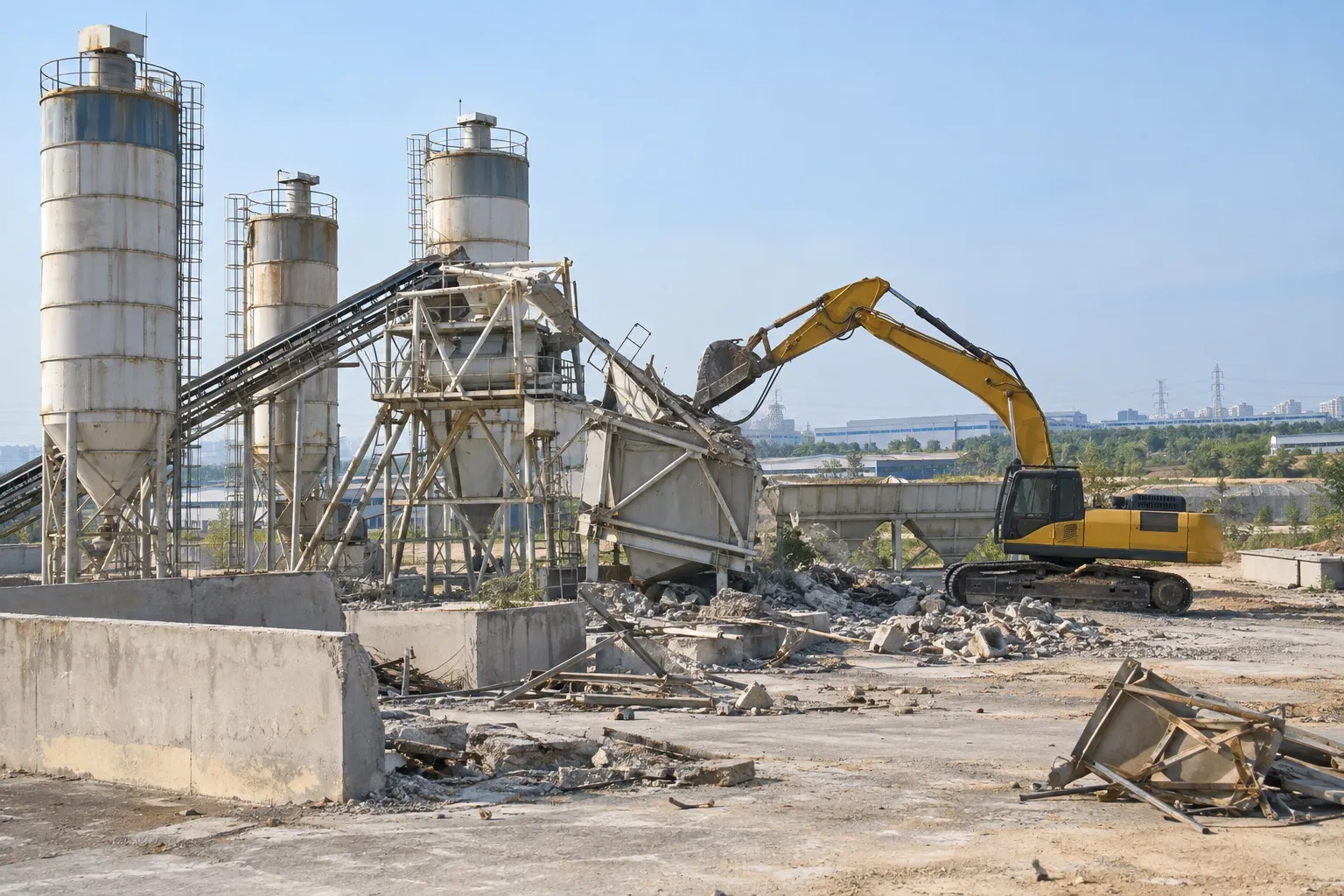
MANESAR: The municipal enforcement wing has demolished an unauthorised ready-mix concrete plant in Nawada village and warned other operators to produce valid licences and pollution approvals or face similar action.
The operation was carried out after the plant's operators allegedly failed to comply with directions to stop commercial activity at the site. Municipal teams used heavy machinery to remove batching equipment and structures described by officials as unauthorised. Police personnel accompanied the squad, and the exercise was supervised by duty magistrate and sub-divisional officer Vikas Sharma.
Joint commissioner Puneet Kumar said the corporation had started the process for further legal action against the operator. The identity of a business in an enforcement report does not by itself settle liability; any prosecution or recovery will have to follow notice, evidence and the applicable appeal process.
Operators asked to submit full approval file
The Municipal Corporation of Manesar has directed every ready-mix plant in its jurisdiction to produce a valid operating licence, consent from the Haryana State Pollution Control Board and other permissions required for land use, construction and commercial activity. A plant may possess one approval but still lack another, so the verification must examine the complete file rather than a single certificate.
Ready-mix facilities receive cement, sand and aggregate, measure the material and load concrete into mixer trucks for construction sites. When properly located and controlled, they reduce on-site mixing and can improve consistency. When operated without safeguards, however, stockpiles, truck movement and fine cement particles can create dust, road damage and neighbourhood complaints.
Enforcement should therefore include more than demolition. Pollution-control consent conditions usually address covered storage, paved movement areas, water sprinkling, wheel washing and control of runoff. Traffic access also matters because mixer trucks entering village roads can create conflict with homes, schools and local shops.
Citywide scrutiny must follow one-day action
The Nawada operation will have limited value if other non-compliant plants continue behind temporary screens or shift equipment to a nearby parcel. MCM should complete a mapped inventory of all batching sites, state which approvals have been verified and issue time-bound notices wherever documents are incomplete.
That record would also protect legitimate operators from arbitrary disruption. A plant with valid land-use, environmental and municipal clearances should not be treated in the same manner as a facility that ignored a closure direction. Transparent criteria reduce both selective enforcement and disputes over what was required.
Residents near industrial and village-edge sites should have a direct complaint channel for dust, night-time truck movement and slurry discharge. Complaints can then be matched with inspection dates and consent conditions rather than being closed with a general assurance.
For Manesar, where construction and industrial activity sit close to older settlements, the regulatory task is continuous. Thursday's demolition establishes that the corporation is willing to remove a plant. The next test is whether it can turn that action into a complete, fair and publicly trackable compliance drive across its jurisdiction.
Sources and reporting
Based on the Municipal Corporation of Manesar enforcement report and joint commissioner's statement issued after the 10 September 2026 operation.
Related Stories

AISA’s Azamgarh meeting calls for teachers, laboratories and libraries

ABVP’s DUSU manifesto puts student housing and academic services on the campaign agenda

AP TET 2026 results released; check the correct examination cycle
Supreme Court Sets January 1 Deadline to Vacate Unsafe Chintels Flats

Human Rights Panel Orders Citywide Audit of Gurugram Drains