
Supreme Court Seeks Safeguards in CBSE On-Screen Marking Dispute
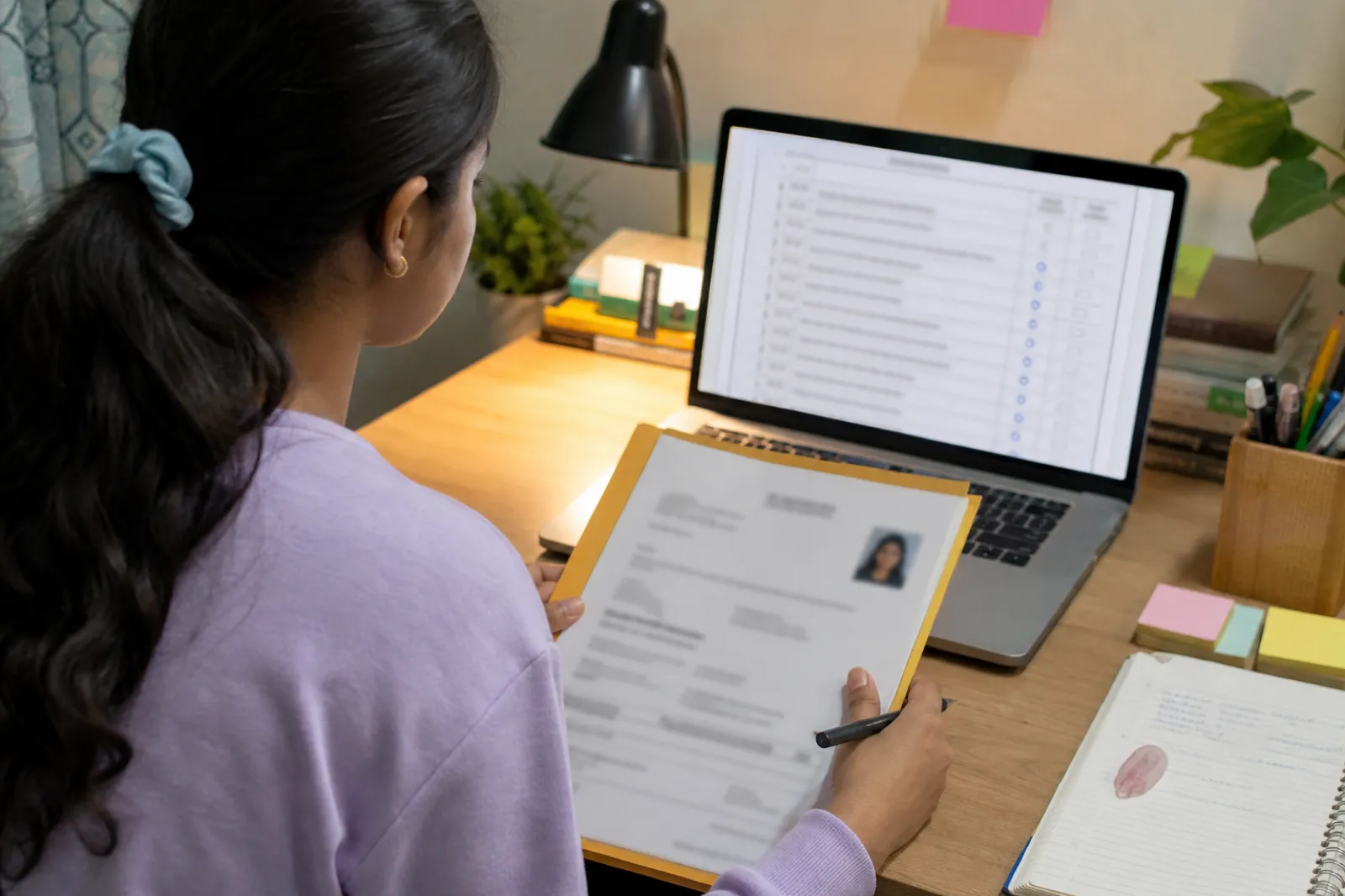
The Supreme Court has asked the Central Board of Secondary Education to examine how students can be protected if their college admission prospects were harmed by alleged errors in the Board’s new on-screen marking system. The direction came on Friday while a three-judge bench heard a challenge to the way CBSE introduced digital evaluation for the 2026 Class 12 examinations.
The bench, led by Chief Justice Surya Kant with Justices Joymalya Bagchi and V Mohana, was told that some students had passed but fallen short of programme-specific admission thresholds. Lawyers said certain courses had already begun, turning a dispute over marks into a time-sensitive admission problem. The court asked CBSE to find out how their interests could be protected and adjourned the matter.
That is an interim observation, not a finding that the entire examination was wrongly evaluated. The allegations come from the petition and remain to be tested. CBSE must have an opportunity to explain its training, scanning, quality-control and post-result systems before conclusions are drawn about how widespread any problem was.
On-screen marking replaces bundles of physical answer books at an evaluator’s desk with scanned pages displayed through a digital system. In principle, it can improve tracking, distribute scripts securely and reduce arithmetic mistakes. Its reliability depends on every page being scanned legibly and in sequence, the evaluator seeing the complete response and a monitoring system identifying blanks or unusual marking patterns.
The petition alleges that teachers were not given adequate formal training and that some scans were incomplete or illegible. It cites CBSE communications issued in February on the new process, teacher deployment, login credentials and mock evaluation. The petitioners say missing pages or unmarked answers led to arbitrary scores. Those claims require evidence from the underlying answer books, scan logs and audit trails.
The plea also links the change to a fall in the overall Class 12 pass rate to 85.2 per cent in 2026, 3.19 percentage points below the previous year. A national percentage by itself cannot establish that a marking system caused the decline. Cohort performance, paper difficulty and evaluation standards may also affect the result. Individual script evidence will be more probative than a broad year-to-year comparison.
For students caught between a disputed score and an admission deadline, ordinary rechecking can become meaningless if a seat closes first. Possible safeguards could include expedited access to scanned answer books, priority review where a small mark difference determines eligibility, and provisional participation in an admission process subject to the final result. The court has not yet ordered a particular remedy.
Students should continue using CBSE’s notified verification and re-evaluation routes and preserve acknowledgements, downloaded marksheets and admission communications. They should not assume that filing a request automatically extends a university deadline; the admission office should be informed separately in writing.
The larger question is not whether schools should use technology. It is whether a high-stakes system was introduced with adequate training, complete records and a remedy fast enough to protect a student’s academic year. CBSE’s response to the court will need to address all three.
Sources and reporting
Based on Supreme Court proceedings reported on 14 August 2026, the petition challenging CBSE’s on-screen marking system, and the Board’s 2026 OSM circulars.
Related Stories

Two Held for Alleged Bid to Run Over Men
Retired HSVP Officer Surrenders in SCO Plot Case
Cops Warn Weekend Bikers After Recent Crashes
HT Pole Still Blocks Road Between Sectors 102, 102A

HSVP Plans Single City Office in Sector 16