
The Solid Waste Management Rules, 2026 require waste to be separated at source into four streams: wet, dry, sanitary and special care waste. They took effect on 1 April 2026, replacing the 2016 rules. For households, the practical change is to keep these streams separate and hand them to authorised collectors according to local directions.
The Ministry of Environment, Forest and Climate Change notified the rules on 27 January 2026. This is a guide to the rules already in force, rather than an announcement of a fresh deadline. The official gazette text hosted by CPCB sets out the duties of residents, housing societies, businesses and local authorities.
| Question | National rule |
|---|---|
| When did it start? | 1 April 2026 |
| How many streams? | Four, separated where waste is generated |
| Is there a uniform household fee? | User fees follow local body bye-laws |
| Who handles collection directions? | The local authority and its authorised collectors |
What goes into the four waste streams?
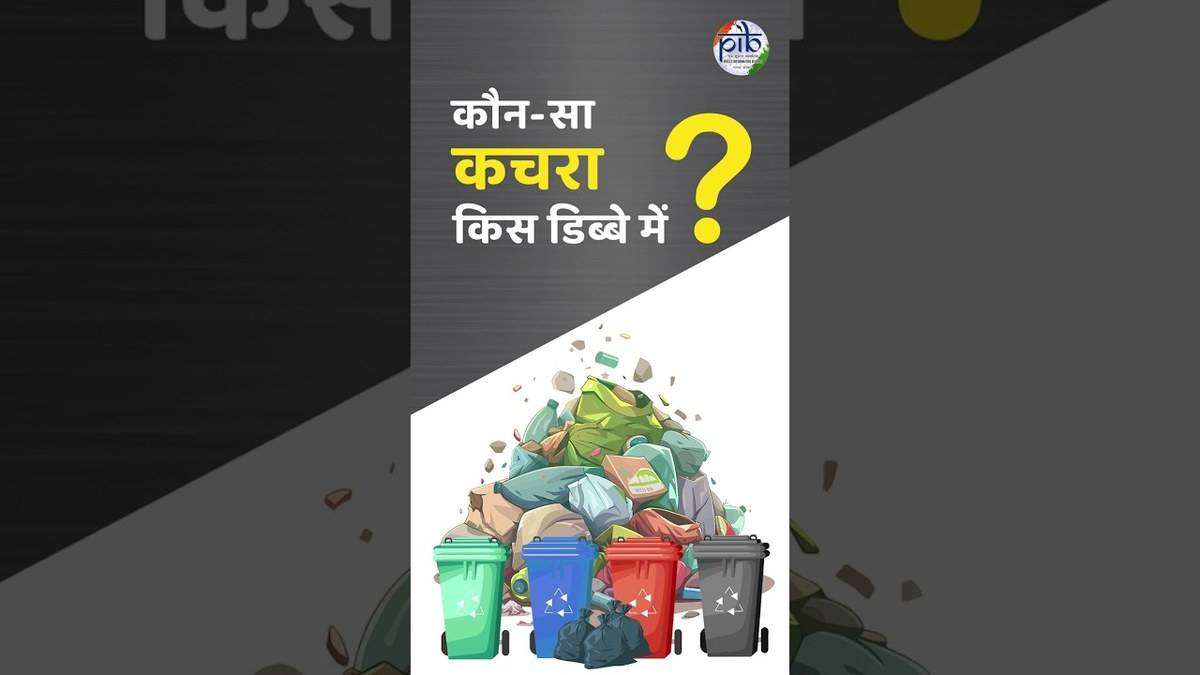
Wet waste includes kitchen scraps, vegetable and fruit waste, meat waste and flowers. Dry waste includes materials such as paper, plastic, glass, metal, wood and rubber. Keeping the two apart allows organic waste to reach composting or biomethanation facilities, while dry material can be sorted for recycling at material recovery facilities.
Sanitary waste is a separate stream. Used diapers, sanitary pads, tampons and similar products must be securely wrapped in the pouch supplied by the manufacturer or suitable wrapping material directed by the local body. They should go into the sanitary waste container, separately from wet, dry and special care waste.
Special care waste includes items such as discarded paint containers, expired medicines and broken mercury thermometers. The ministry's 28 January explanation says these should be collected by authorised agencies or deposited at designated collection centres. Ask the local sanitation office where the relevant collection point is before putting such items out.
The legal requirement is separation into four streams. To understand the collection arrangement for your street, check the local body's directions on containers, collection schedules and handover points. Garden waste and construction debris also need separate handling under the applicable directions and rules; they should not simply be added to ordinary household waste.
What must households and event organisers do?
Rule 5 prohibits throwing, burning or burying solid waste on streets or open public spaces outside the premises, or disposing of it in drains or water bodies. Residents must use suitable storage containers and hand segregated waste to authorised collectors. Street vendors must keep suitable containers for waste generated through their activity and deposit it as the local body specifies.
There is also a specific event rule. Anyone organising a gathering of more than 100 people at an unlicensed place must intimate the local body at least three working days beforehand. The organiser must arrange segregation at source and handover to the collector or agency specified by the local body. Permission for the venue and waste collection arrangements are practical questions to resolve before the event.
This is a compliance framework, with no household cash benefit or eligibility application. Ordinary residents should check service arrangements with their municipality or panchayat. There is no single national household document checklist, application deadline or helpline specified in the provisions discussed here. Local registration or complaint procedures should be checked on the relevant official portal.
When does a housing society become a bulk waste generator?
The rules define bulk waste generators using any one of three thresholds: buildings with a floor area of at least 20,000 square metres, water consumption of at least 40,000 litres a day, or solid waste generation of at least 100 kilograms a day. These are alternative tests. Residential societies, institutions and commercial establishments can fall within the definition.
Bulk generators must register with the local body through the centralised online portal and arrange appropriate handling of their waste. New bulk generators must provide adequate wet waste processing capacity. Existing bulk generators unable to provide decentralised processing must obtain the local body's exemption and procure Extended Bulk Waste Generator Responsibility certificates for the equivalent wet waste quantity.
Separately, Rule 5 addresses gated communities and institutions with more than 5,000 square metres of area, as well as resident welfare associations, market associations, hotels and restaurants. It requires arrangements with the local body for segregation, separate collection and processing of biodegradable waste within the premises as far as possible, within one year of notification. This provision should be read separately from the bulk-generator thresholds.
What fees and penalties can apply?
Waste generators must pay user fees specified in local bye-laws. The national rules therefore do not establish one rupee amount for every household across India. Environmental compensation for non-compliance follows the regulatory framework, with CPCB guidelines and action by State Pollution Control Boards or Pollution Control Committees. Check an actual local notice before relying on a claimed fine circulating online.
For related reading, see the education ministry's waste rules awareness initiative, the Varanasi zero waste wards report and the National Consumer Helpline guide. For a collection failure, start with the sanitation complaint channel published by your own local authority.