SC Flags IAF Depot Buffer Encroachments
GURUGRAM: The Supreme Court on Tuesday criticised the scale of unauthorised construction inside the 900-metre restricted zone around the Indian Air Force ammunition depot in old Gurugram, questioning whether such encroachment could have spread without official collusion with local land sharks.
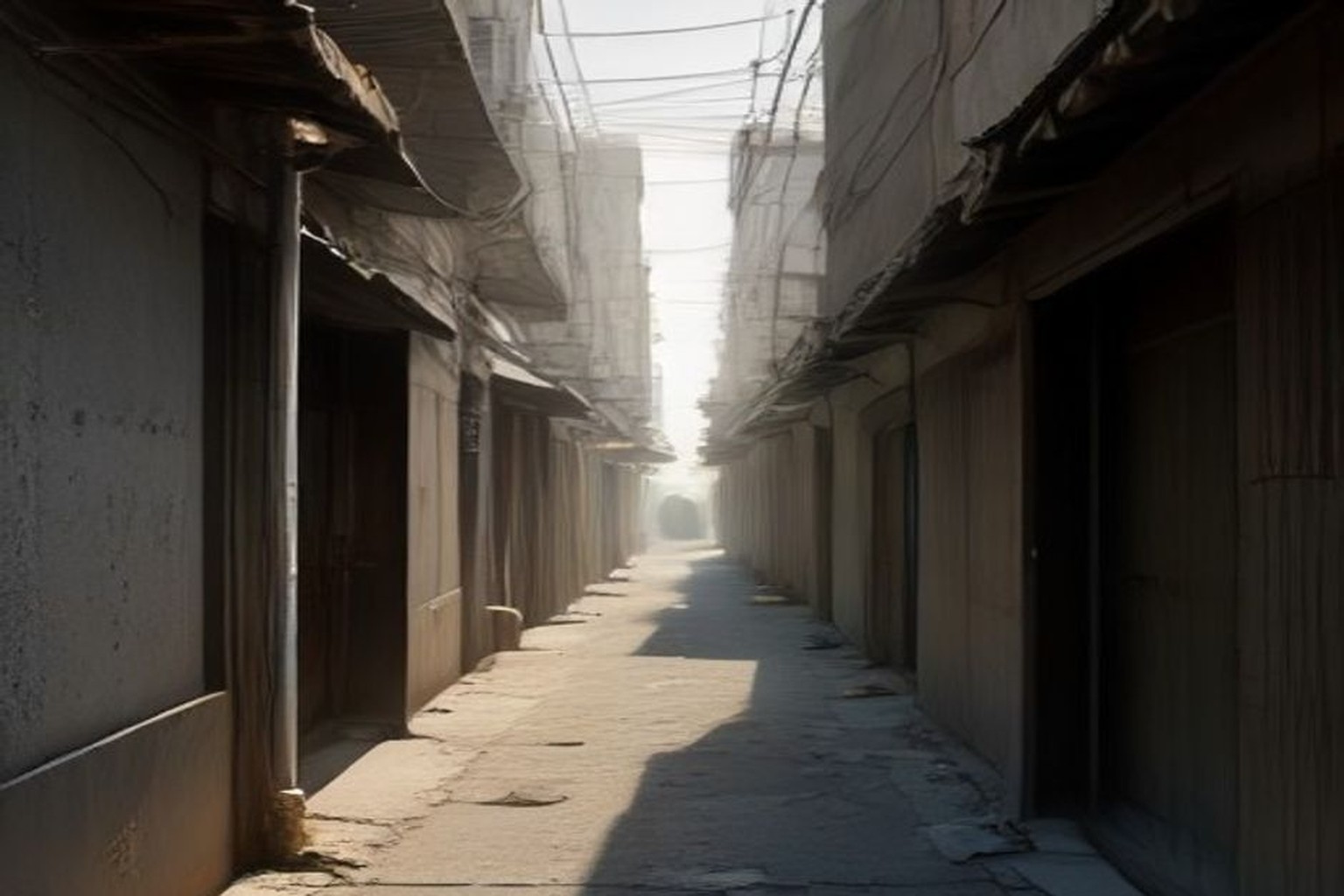
The depot, established in 1947, sits behind a belt that was meant to stay free of dense habitation as a security buffer. Over the years, about 15 illegal colonies have filled that belt with residential buildings, paying-guest accommodations, shops, schools, factories, cloud kitchens and other commercial units. In several stretches, multi-storey houses stand virtually flush against the facility's boundary wall, leaving little or no open space.
Affected pockets include Sheetla Colony, Rajiv Nagar, Sanjay Gram, Sukhrali Enclave, Ashok Vihar Phase 3, Om Vihar, Dharam Colony, Amanpura and Caterpuri, among others. The 900-metre zone covers roughly 2,325 acres. Five- to seven-storey buildings close to the installation give elevated vantage points overlooking the depot, eroding the physical separation the restricted zone was designed to preserve.
During the hearing, Chief Justice of India Surya Kant noted that the no-go zone was earlier more than a kilometre and was gradually reduced to 900 metres, yet illegal constructions still came up under the nose of officials. He asked whether the encroachments were not a result of collusion between government officials and the land mafia. The court also sought a clearer account from the Centre on demarcation and notification failures around the buffer.
Survey numbers differ across government papers. An MCG survey in 2017 identified 4,156 illegal structures within the belt. Officials estimate the count has roughly doubled since. Older submissions before the high court put total structures as high as 14,154, while a more recent MCG report flagged over 5,000 unauthorised structures and more than 190 ongoing construction sites.
The Punjab and Haryana High Court had earlier held that the 900-metre strip must remain free of urbanisation and described the depot as a strategic installation where national interest could not be compromised. Government practice, however, cut against that line at times. In 2015, Haryana sought to shrink the restricted zone from 900 to 300 metres. In 2016, temporary water connections were approved for families inside the belt. In 2017, clearance was ordered within a tighter 300-metre radius after a survey found 3,346 structures there.
MCG sealed several under-construction buildings last month, but follow-up checks found many seals broken and work resumed. Civic works, voter lists and utility connections have grown alongside the colonies, creating a parallel urban pocket that is hard to reverse overnight. Local representatives have sought central intervention citing impacts on registrations and approvals, while defence and municipal agencies remain under court scrutiny.
For residents already living inside the belt, the legal risk includes sealing, demolition and stalled property transactions. For the city administration, the case tests whether enforcement can match rhetoric in a zone where thousands of families now live beside a sensitive defence installation. Construction activity reported at scores of sites means the buffer problem is still expanding even as courts revisit it.
Sources and reporting
Supreme Court hearing remarks on Tuesday regarding unauthorised construction inside the 900-metre restricted zone around the Indian Air Force ammunition depot in old Gurugram; MCG survey figures on thousands of structures and high court history requiring the belt to remain free of urbanisation.
Related Stories
Four Held for Stone Attack on Manesar Drive

GMDA Plans Rs 20 Cr Dwarka Sector Road Works
Metro Phase-2 Tender Delay Puts 2029 at Risk
DTCP Seals 17 Sites in Sushant Lok Drive
GMDA Warns STP Defaulters of Disconnection