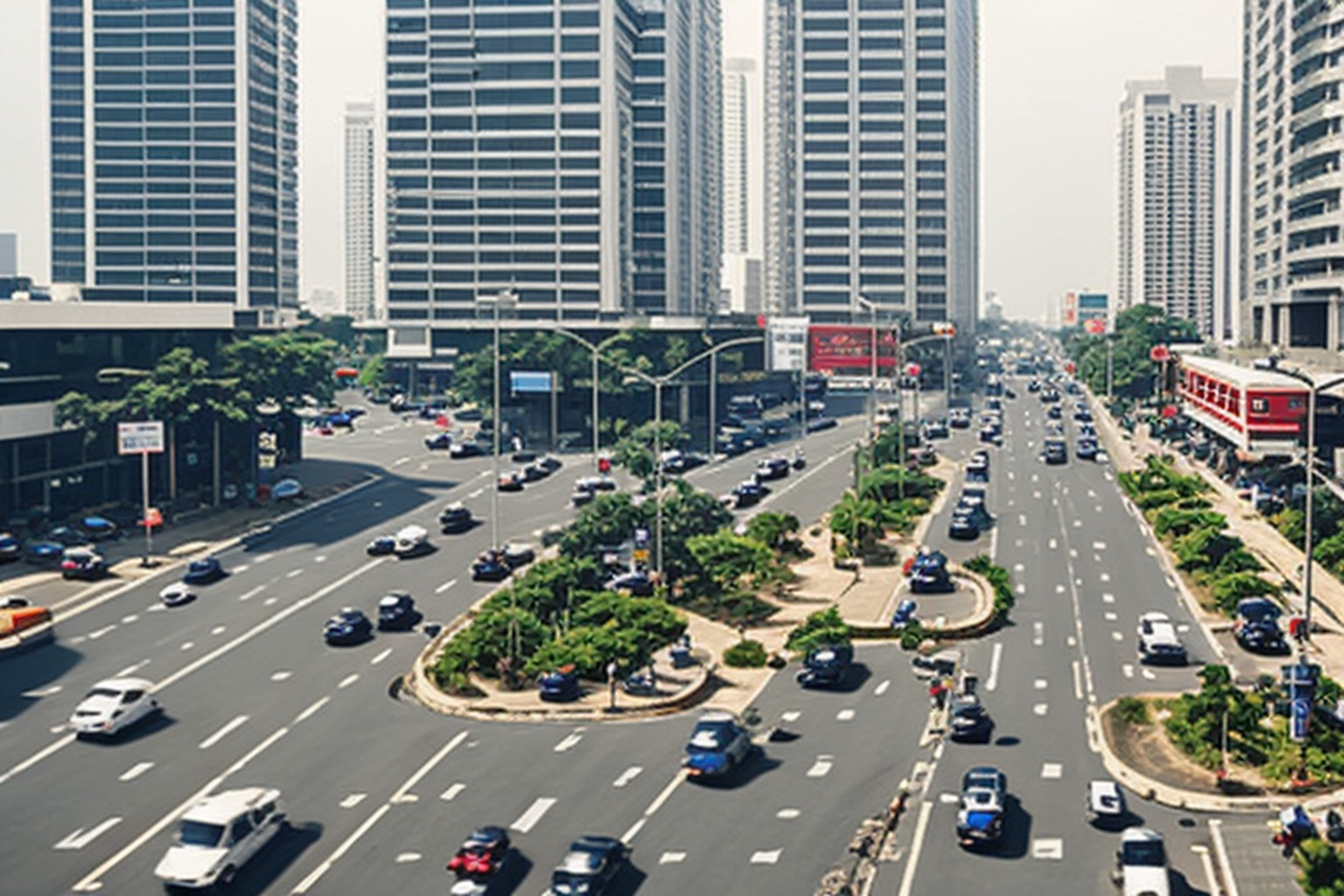
Road Audit Flags 20 Engineering Gaps at Gurugram Crash Hotspots
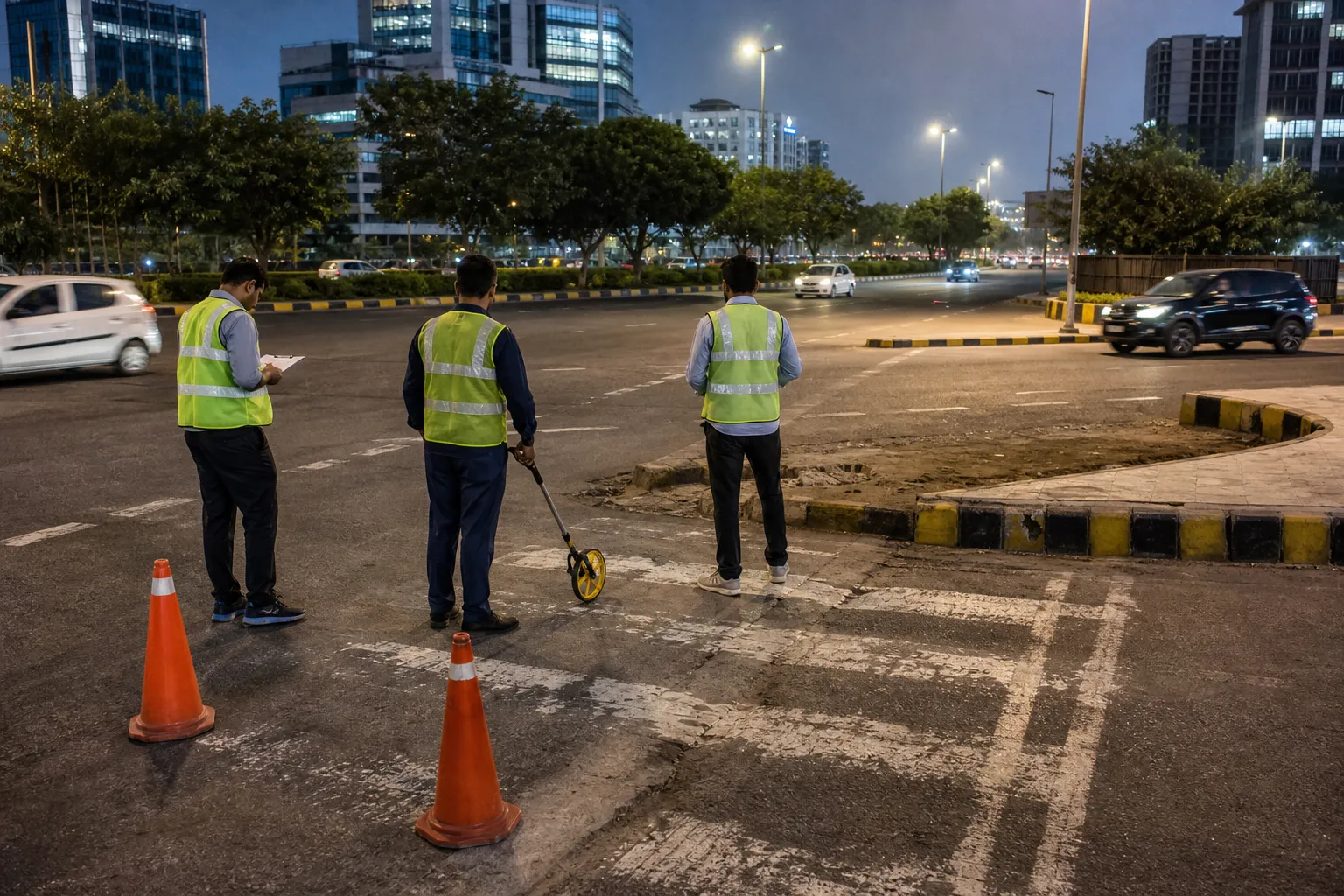
A road-safety audit at Gurugram crash hotspots has identified twenty engineering deficiencies, ranging from poor lighting and missing lane markings to unauthorised median openings. The findings underline a problem that enforcement campaigns cannot solve alone: people make mistakes, but road design determines whether those mistakes become fatal.
The inspection was carried out under the city's zero-fatality initiative, which brings police and road-owning agencies together to review locations with repeated serious crashes. The committee found that crash numbers had declined at some earlier focus sites, yet fatalities had not shown the same improvement. That gap suggests the remaining collisions may still be occurring at dangerous speeds or in conditions that offer little protection.
Missing or faded markings leave drivers guessing about lane position, especially in rain and at night. Unauthorised median cuts create sudden crossing and U-turn conflicts. Poor lighting reduces the time available to spot pedestrians, stalled vehicles and two-wheelers. Each defect may appear minor in daylight, but several combined at one junction can produce a predictable trap.
Pedestrian conditions need particular attention. A crash hotspot cannot be treated as fixed merely because vehicle flow becomes smoother. Safe crossings, refuge islands, continuous footpaths and controlled turning speeds should be part of every corrective plan. Otherwise, a redesign may reduce rear-end collisions while making the road harder to cross.
The committee is expected to prepare a detailed improvement report for the agencies responsible for individual stretches. That allocation matters in Gurugram, where NHAI, GMDA, MCG, HSVP and public works authorities can control adjoining pieces of the same journey. A defect at an agency boundary often survives because every office fixes only its own carriageway.
Corrective work should be prioritised by risk, not visibility. Repainting a well-known junction is quick, but closing a dangerous median cut, adding a protected pedestrian phase or correcting a high-speed curve may save more lives. The audit should attach a deadline, cost and responsible engineer to all twenty findings.
Residents can help by reporting broken lights and erased markings, but the burden should not rest on crowdsourced complaints. Road agencies need scheduled night inspections because lighting and reflective performance cannot be judged properly at noon. Post-monsoon audits are also essential after potholes and waterlogging alter vehicle paths.
Gurugram has adopted a zero-fatality label; the engineering response must match that ambition. The next public update should show which defects were closed, which remain pending and whether fatal crashes changed after treatment. A safety audit is valuable only when its observations leave the report and physically reshape the road.
Sources and reporting
Based on findings recorded by Gurugram's zero-fatality road-safety committee during its latest crash-hotspot audit, including lighting, median, marking and pedestrian-safety defects.
Related Stories

Court Issues Arrest Warrant for HSVP Brass

MCG Finalises Sohna Site for Fresh Waste

GMDA Seeks Station-Wise Metro Parking Plans

Thar Rams Rapido Cab After Sector 89 Quarrel

FDA Raids 3 Outlets Over Paneer Quality