Rich Families of Varanasi Are Giving Growth Harmone Injections to Their Sons to Increase Height
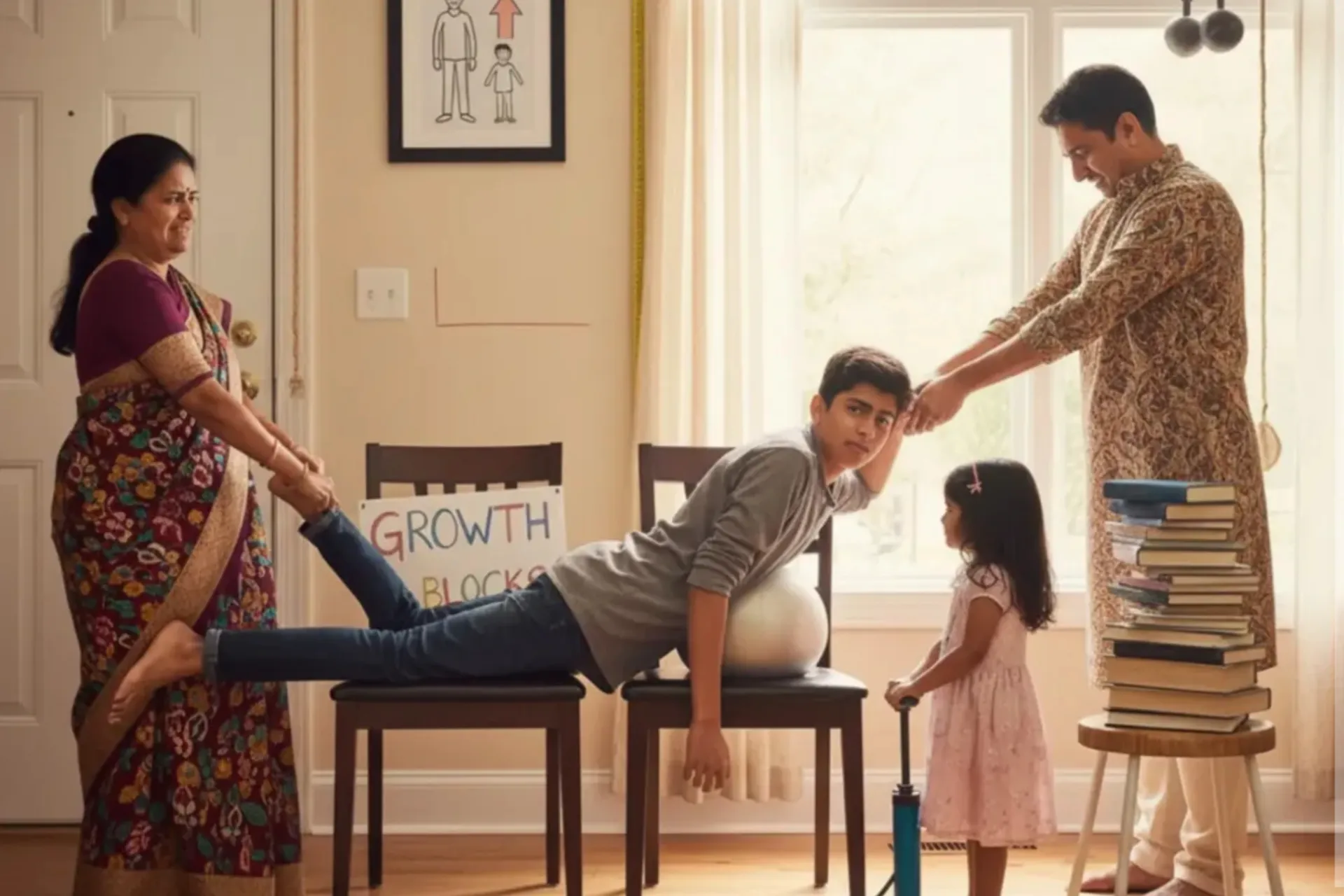
A growing conversation around the use of human growth hormone injections for increasing children’s height has begun raising concern in Varanasi.
Discussions reportedly circulating in parents’ WhatsApp groups and online forums suggest that some families are considering expensive growth hormone injections for children who are shorter than their peers. The extent of the practice remains unclear, and no official figures have emerged to establish how widespread it is in the city.
Medical specialists, however, say the concern is serious enough to warrant caution. Growth hormone therapy is not a routine height-enhancement procedure and should never be used simply because a child or parent is dissatisfied with the child’s stature.
Human growth hormone, medically known as somatropin, is a prescription medicine used to treat growth failure caused by growth hormone deficiency and certain other recognised medical conditions. Treatment must be supervised by a doctor experienced in diagnosing and managing childhood growth disorders.
A child being shorter than classmates does not automatically indicate a hormone deficiency. Height is influenced by several factors, including genetics, nutrition, overall health, the timing of puberty and the heights of both parents.
Doctors usually assess a child’s growth over time rather than relying on a single height measurement. The evaluation may include a review of the child’s growth chart and growth rate, blood tests, a bone-age X-ray and, where necessary, specialised hormone testing. A random growth hormone test alone cannot confirm a deficiency because the hormone is released in pulses throughout the day.
Growth hormone treatment may be considered in carefully selected cases involving confirmed growth hormone deficiency, idiopathic short stature or specific medical and genetic conditions. Depending on the medicine and applicable regulatory approval, these may include Turner syndrome, Noonan syndrome, Prader-Willi syndrome and children born small for gestational age who fail to show adequate catch-up growth.
Even in eligible children, the decision is not automatic. Doctors must weigh the likely benefit against the cost, duration of treatment, possible side effects and the emotional expectations of the family. Treatment can continue for several years, and the improvement in height differs from child to child.
Reported side effects include headaches, reactions at the injection site and certain hip-related complications. Medical monitoring is also required during treatment, and growth hormone should not be used after a child’s growth plates have closed.
The larger concern, specialists say, is the growing tendency to treat height as a measure of confidence, appearance or future success. Such pressure can make families vulnerable to exaggerated promises, online advice and unverified treatment packages.
Parents worried about their child’s height should first consult a qualified paediatrician or paediatric endocrinologist. Buying hormone injections privately, changing prescribed doses or beginning treatment without a complete medical evaluation can expose a child to unnecessary risk.
Editorial note: The claim that affluent Varanasi families are already administering these injections should remain attributed as a reported or emerging trend unless individual cases or local doctors are available on record.
Related Stories

Railways Orders Weekly Puja Special 09465 via Varanasi Through November

Hindi Diwas Marked Across BHU, Sanskrit University and Kashi Vidyapith

Lohta Police Register FIR After Bhitari Villager Alleges Hostage Beating

Baragaon Police Book Named Youths After Kazisaray Tea-Stall Assault and ₹1,900 Loot

Ganeshotsav Opens Across Varanasi Pandals With Modak Bhog and Pran Pratishtha