
NEW DELHI: A postpaid mobile customer requesting permanent closure should keep evidence of when the operator received the request and track any refundable deposit separately from the final bill. TRAI's published consumer FAQ sets a seven-working-day closure limit and a 45-day deposit-refund period after closure. Airtel's own postpaid terms contain a different, 60-day refund statement that customers should ask it to clarify.
| Issue | Published position |
|---|---|
| Closure request | TRAI: complete within seven working days of receipt |
| Deposit refund | TRAI: within 45 days after closure |
| Delayed refund | TRAI: 10% annual interest for actual delay beyond 45 days |
| Airtel postpaid deposit terms | State refund within 60 days of permanent disconnection |
Make sure permanent closure is what you want
Start by deciding what should happen to the telephone number. A customer who wants another operator while retaining the number needs the porting process. Someone who wants to stop the connection permanently needs an unambiguous termination request. Avoid describing both intentions in the same instruction.
For a household account, write down the particular number and account concerned. Include the service being surrendered and your preferred contact method for the final response. Ask for an acknowledgement that identifies the requested action. This creates a useful record if a later message describes a different service change.
Save bills before submitting the request
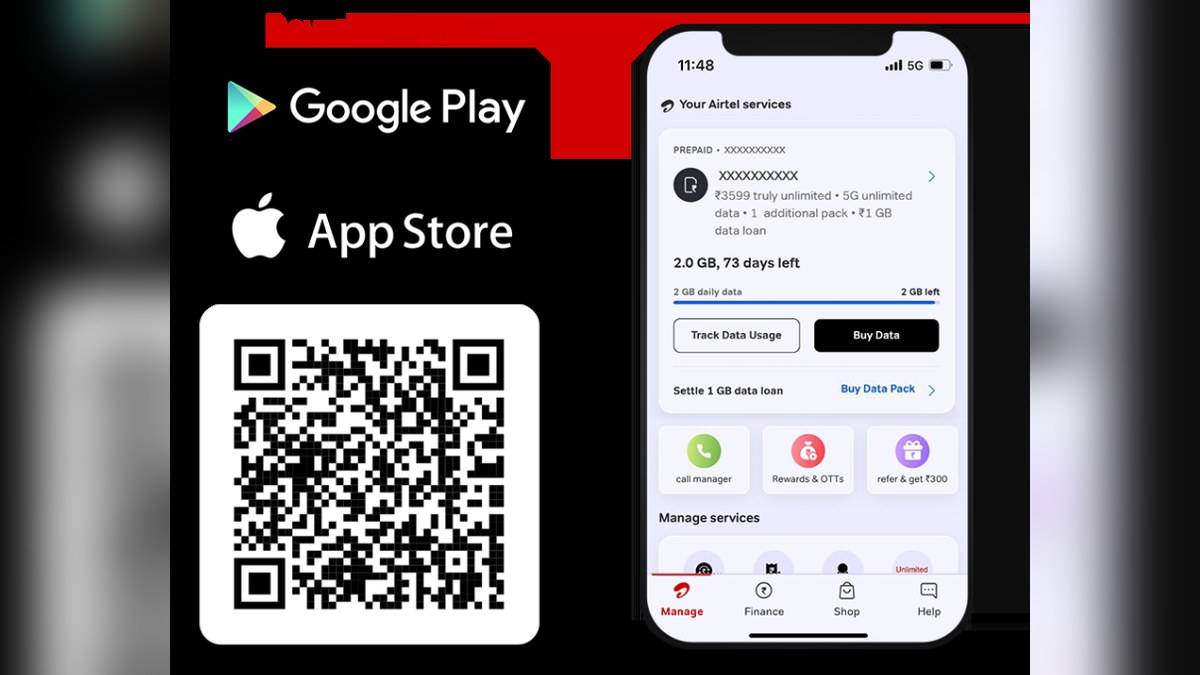
Airtel's postpaid FAQ describes downloading bills through the app: select the mobile number, enter Bill & Plan, choose the relevant bill and use Download Bill. An itemised bill is available from the same section. Keep the statements needed to explain your account's current position before the connection changes status.
The operator's separate receipt guide describes transaction history under Help and a Download Receipt option after selecting a transaction. It says the PDF records include the amount, payment method, transaction ID and date. A payment receipt and the bill it settles serve different purposes, so keep both if you may need to demonstrate what was charged and what was paid.
Check whether a refundable security deposit is actually recorded on your account. Do not assume every initial payment was a deposit: the label and applicable terms matter. Keep the original confirmation or receipt and ask for an account statement identifying the refundable amount if the record is unclear.
Record when the operator receives your instruction
Airtel's FAQ tells customers to clear outstanding dues and request termination through its support email or dedicated helpline. TRAI's FAQ, however, says closure cannot be withheld because of pending dues or another reason, and billing must not continue beyond the prescribed closure period. Closure and settlement of legitimate charges should be tracked as separate issues.
Preserve the submitted request, acknowledgement and reference number in the same place as the bills. If the response merely offers a different plan, repeat the requested action clearly and retain that exchange. A dated record helps establish what was asked for and when, without relying on recollection of a conversation.
The refund wording needs a specific question
Airtel's postpaid terms place the 60-day statement alongside conditions for plans activated with a security deposit. TRAI's customer-service reporting direction uses a 45-day refund benchmark, including closure and non-provisioning of service. These are different published statements; this guide does not present the longer operator wording as the regulator's deadline.
Ask Airtel to identify the rule it is applying to your deposit and the date from which it is counting. Quote the account reference and attach the deposit record. Request an explanation of any deduction as well as the expected refund date, so the amount and timing can be assessed independently.
Keep the closure date and the refund date as separate entries in your record. If the operator says money has been sent, request the transaction reference and compare it with the receiving account. A message saying that a refund was approved is useful correspondence, but your reconciliation should also establish whether the payment actually arrived and matches the stated settlement.
Check the final settlement, then escalate discrepancies
When settlement arrives, compare the closing statement, recorded payments and refund entry. Describe a missing refund, an unexplained deduction and a disputed bill line as separate questions. Send the relevant documents with each query and keep the operator's response. This makes the unresolved issue specific enough for further review.
Related reading includes our guides to Airtel postpaid account structures, roaming-related exit conditions and Airtel family bundles. Check the obligations attached to your actual account when reviewing a final bill.
Sources: TRAI consumer FAQ, TRAI reporting direction, Airtel FAQ, receipt guide and Airtel postpaid terms.