Operation Agyat 2.0 Ends With Action Against 126 Vehicles in Varanasi
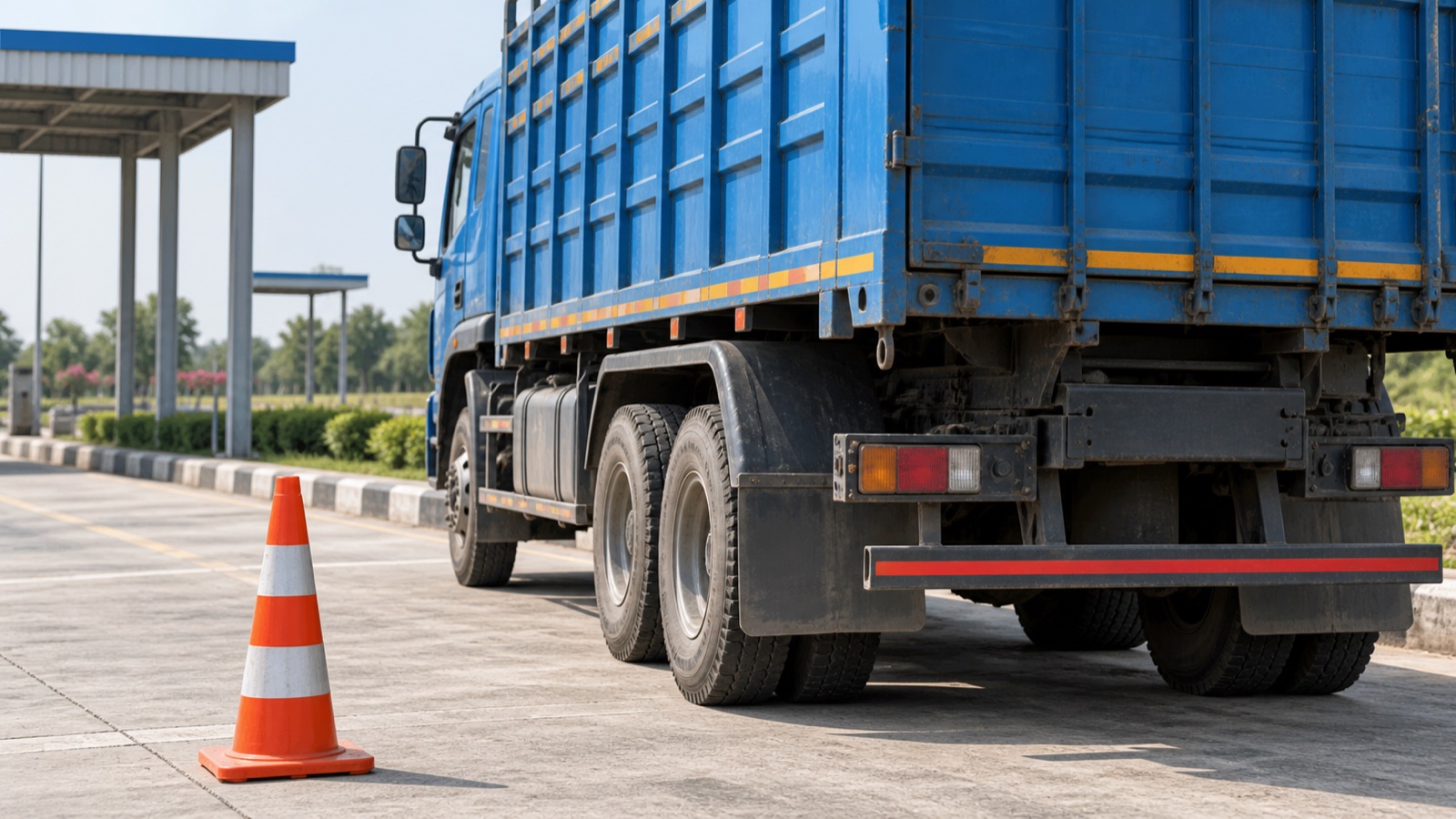
VARANASI: A transport department drive targeting large vehicles with missing, damaged or concealed number plates ended on Saturday, September 12, with action against 126 vehicles. Officials issued challans to 112 vehicles and seized 14 trucks under Operation Agyat 2.0.
Checks covered routes including the Ring Road, the Varanasi–Prayagraj national highway, Tengra Mod, Harahua, the Ghazipur road and the Lucknow highway. The focus was on vehicles whose registration identity could not be read properly.
Regional Transport Officer Manoj Kumar Varma oversaw the campaign. Assistant Regional Transport Officer Manoj Prasad Varma and passenger tax officers Akhilesh Pandey and Amit Varma were among the officials involved.
The reported total combines two categories of action: 112 challaned vehicles and 14 seized trucks. No consolidated fine collection or individual penalty schedule was supplied with the results. The figures should not be read as a count of convictions or a statement that every vehicle had committed the same violation.
A registration number has to be readable
Central motor vehicle rules set out requirements for the display of registration marks. The road transport ministry’s published rules require clear and legible display at the front and rear, subject to the provisions applicable to the vehicle concerned.
The distinction is between possessing a registration and making the assigned identity visible in the required manner. A document kept in the vehicle does not make an obscured external plate readable to someone checking the vehicle from outside.
For fleet operators, a basic inspection before dispatch can establish whether the plate is present, securely fitted and unobstructed. A damaged plate or something hanging over it should not be treated as a minor presentation issue simply because the vehicle otherwise appears ready to move.
Keep the enforcement record specific
An owner receiving a challan should read the violation and vehicle details on the notice and use the authorised process for any payment or query. A general account of a citywide drive cannot explain the grounds recorded in an individual case.
The same caution applies to photographs circulated from a checking point. A truck’s presence in a queue is not evidence of an offence, and a representative picture should not be mistaken for the vehicle involved in a particular action.
Saturday’s outcome identifies the scale and purpose of this completed operation. It does not establish that every truck checked was penalised, nor does it provide the total number inspected. Those are separate figures.
The immediate message for commercial operators is straightforward: vehicle identity must remain visible and compliant throughout a journey. The department’s next public update, if issued, would be needed to confirm any further phase of Operation Agyat or a new checking schedule.
Sources and reporting
Transport department account of Operation Agyat 2.0, concluded on 12 September 2026; registration-display background from central motor vehicle rules published by the road transport ministry.
Related Stories

Ramkatora Gathering Remembers Former Varanasi MP Shyam Lal Yadav

BHU’s Anviti Art Contest Imagines Future Worlds; Sanjay Mishra Listed for September 15 Closing

267 Children Join On-the-Spot Essay Competition at BLW’s Bal Niketan

BHU Opens Sunday Gita Discourse Series for New Academic Session

Thatheri Bazaar Ganesh Festival Opens September 14 With Five-Day Programme