Odisha’s agriculture portfolio came to Varanasi’s rice labs on Thursday. Deputy Chief Minister Kanak Vardhan Singh Deo toured the International Rice Research Institute’s ISARC campus, walking facilities built around climate-resilient rice. Friday, 21 August 2026, city and state agriculture accounts published the detail of the visit.
Singh Deo was accompanied by Balangir MP Sangeeta Kumari Singh Deo and Nivritti Lakshyaraj Mewar. The visit centred on flood-resistant and short-duration varieties and the tools around them: breeding lines, trial plots, machines and the laboratories that support the work.
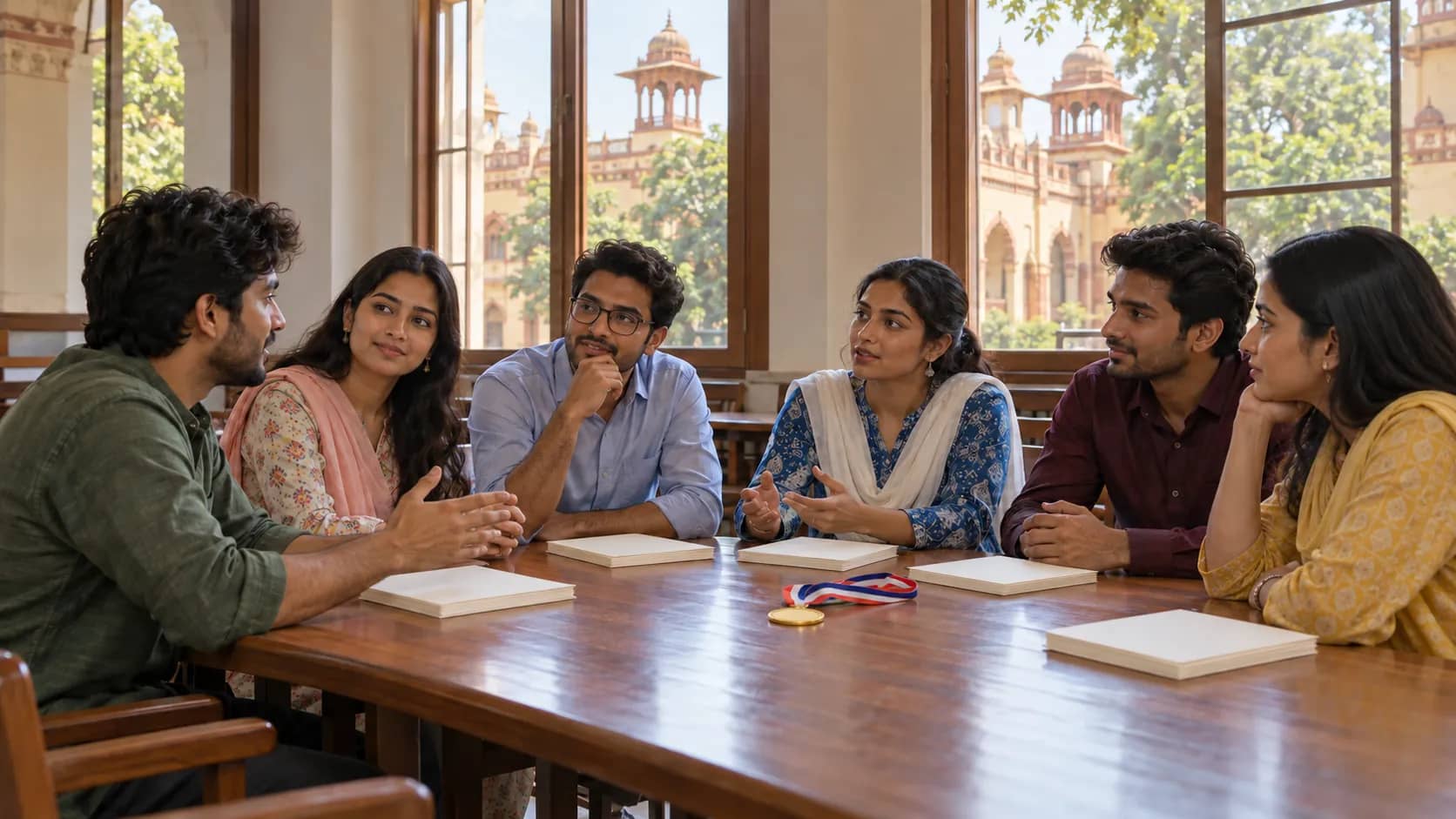
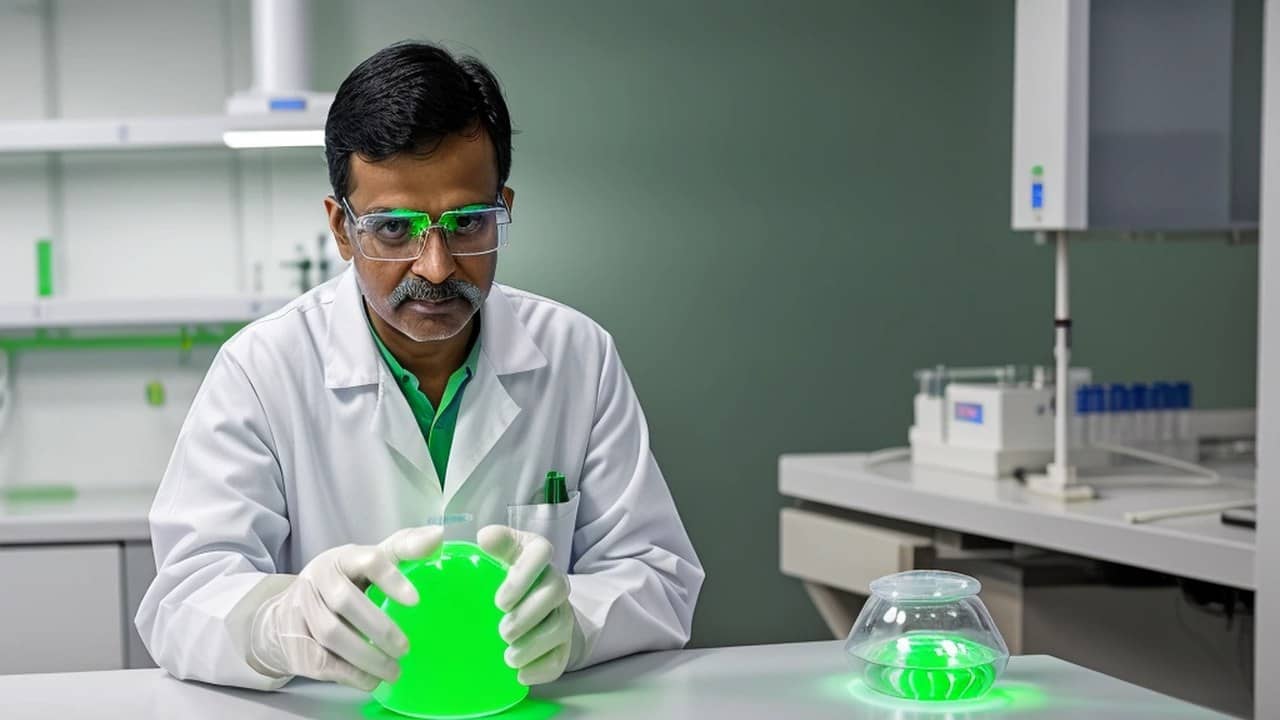
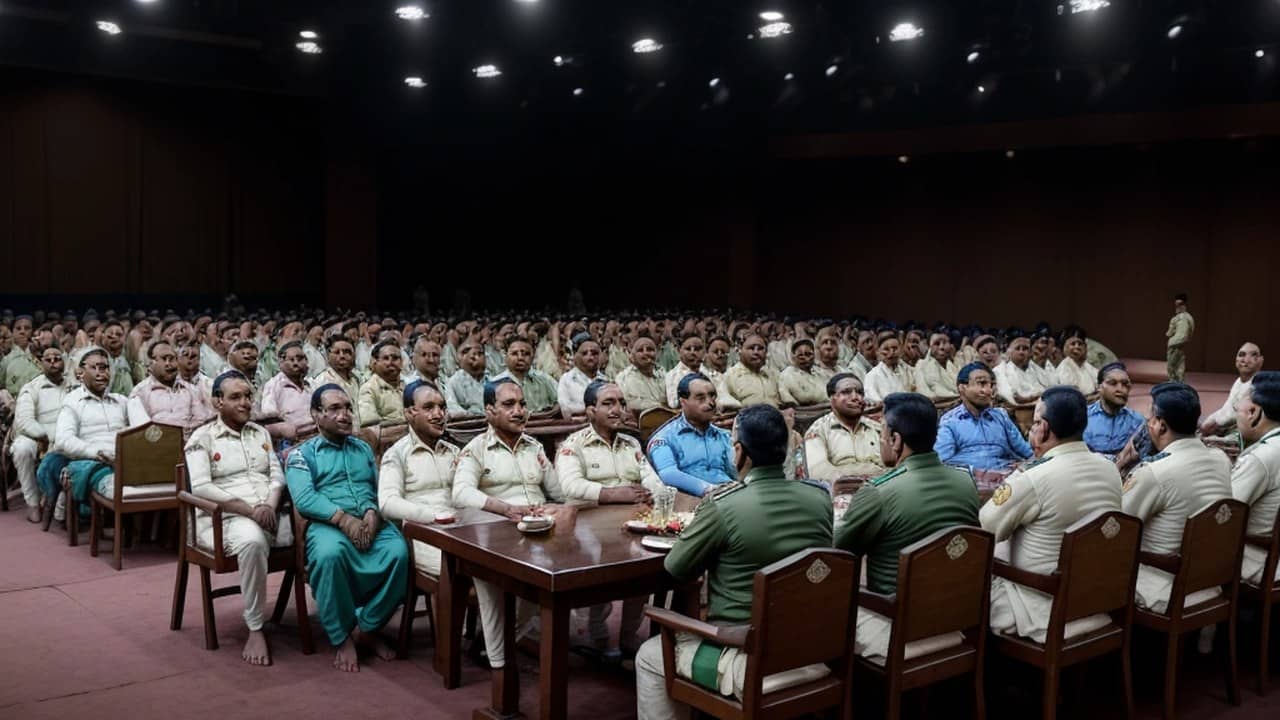
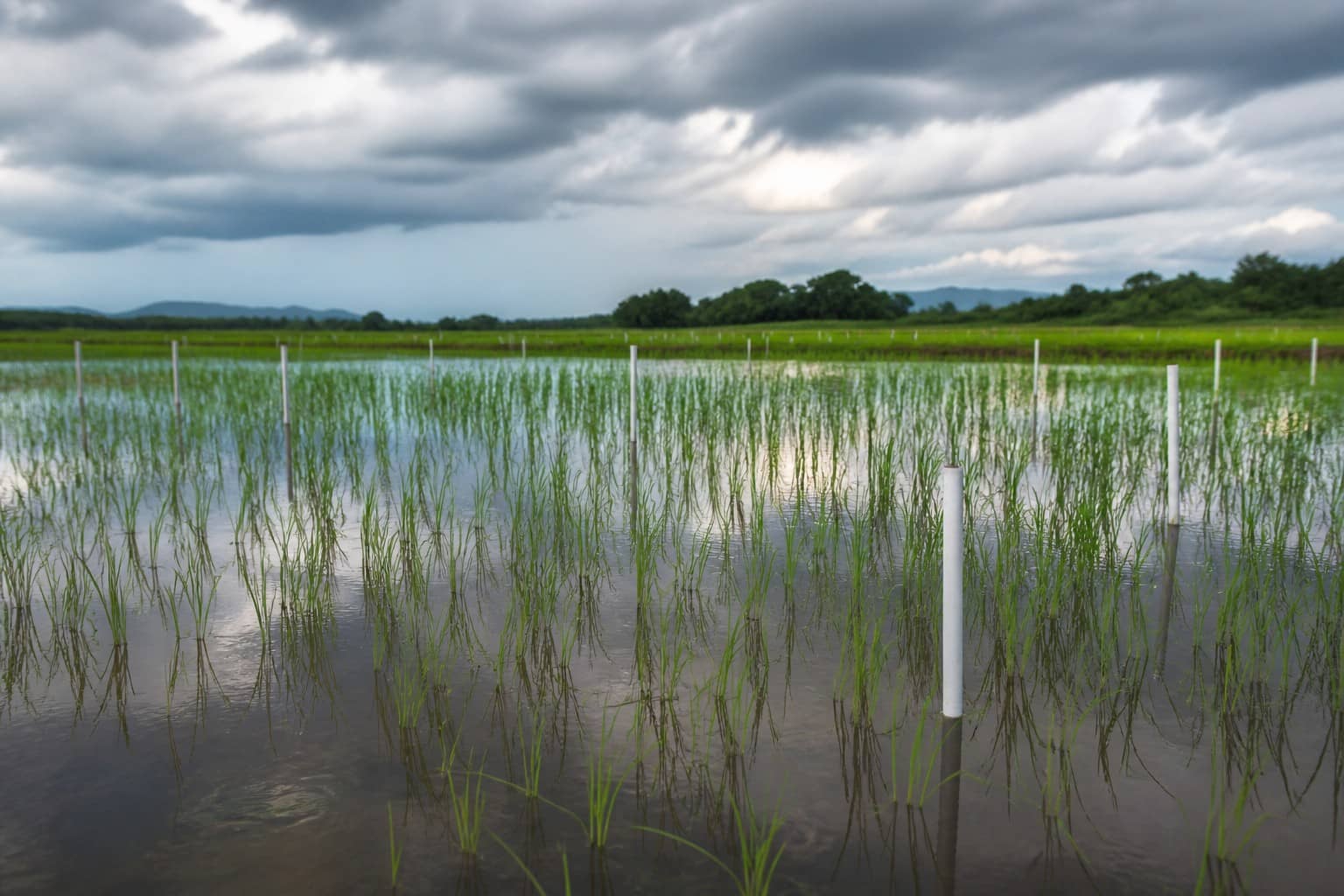
The published walk-through covered Speed Breeding facilities, a Varietal Cafeteria, mechanisation and post-harvest sections, direct-seeded rice (DSR) trials, drone demonstrations, regenerative fields, a Geospatial Lab, a Plant and Soil Lab, and NABL-accredited CERVA laboratories. A town hall was held on campus during the stop, according to the Friday accounts.
Hosting the group were Interim Director Dr Vikas Kumar Singh and Dr Swati Nayak, IRRI India Country Manager (ad interim). Putting those names on the record keeps the stop inside a scientific briefing, not only a photo line. The town hall, likewise, places the visit in a discussion format rather than a silent walk-past. The interim director also presented IRRI and ISARC work across Odisha, India and South Asia during the briefing.
Singh Deo’s on-record remark on 21 August was: “Rice cannot be separated from India, and I truly appreciate the work being done by IRRI and ISARC scientists to develop new technologies and techniques for farmers.” The quote praises capacity. It does not announce an Odisha seed indent, a procurement order, or a variety release tied to the Varanasi day.
Flood belts and short monsoon windows across eastern India keep breeders under pressure for lines that survive submergence or mature faster. ISARC’s usual briefing language is pipelines, agronomy packages and mechanisation that states can adapt. Friday’s coverage places Odisha’s deputy CM inside that conversation. It does not say a named ISARC line cleared Odisha’s seed system that afternoon.
The visit itself was Thursday. Friday’s detailed English and state-desk pieces are the first full window used here. The story is a finished campus tour, not a Friday incident, and it is kept apart from thinner same-day agriculture stops that did not clear the shortlist.
For the Varanasi science beat, the image that matters is an out-of-state deputy chief minister inside Speed Breeding, DSR trials and NABL labs — ISARC treated as a national reference campus that happens to sit in the city. For Odisha readers, the published signal is interest in flood-resistant and climate-resilient options, not proof that a specific variety has already been adopted.
Singh Deo’s agriculture, farmers’ empowerment and energy portfolios make a rice-research stop a natural fit on a Varanasi science day. The confirmed record remains the campus walk, the named hosts, the town hall and the farmer-facing appreciation — without converting that appreciation into a signed MoU or a seed-system circular.
Singh Deo’s Thursday campus stop closed with a town hall and his on-record appreciation of IRRI and ISARC work on farmer-facing rice technologies.