GURUGRAM: A road connection discussed for nearly two decades has returned to the planning table, this time with the Dwarka Expressway corridor around it largely built. The National Highways Authority of India is preparing to appoint a consultant for a detailed project report on a link between Gurugram's Upper Dwarka Expressway and Delhi's proposed Urban Extension Road-I.
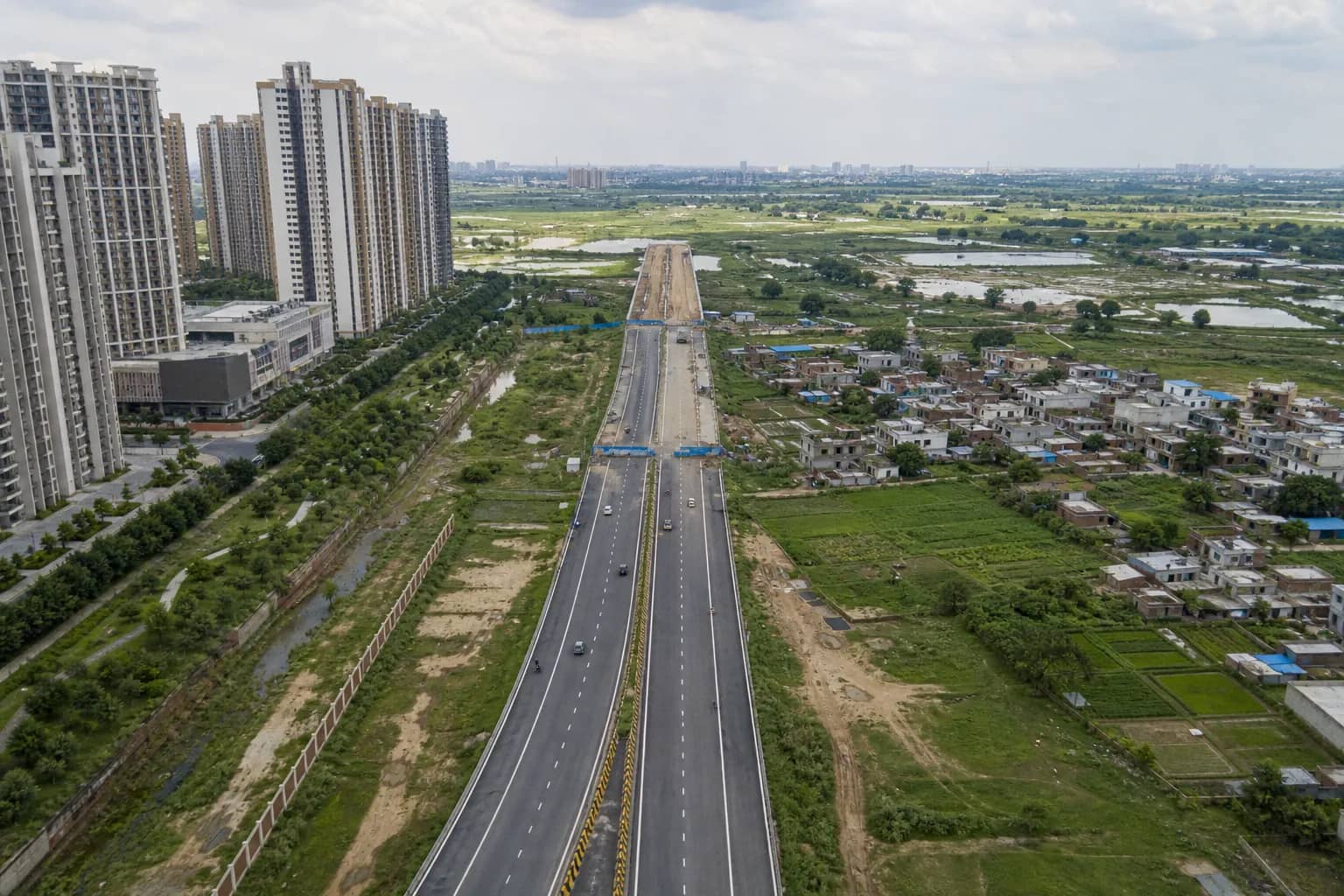
The proposed connector is small compared with the expressway projects that dominate the region's map, but it closes a strategically awkward gap. GMDA completed a 10-kilometre road between sectors 99 and 115 in 2023, carrying a wide corridor up to the Delhi border. On the Delhi side, however, the route narrows and loses continuity before it can meet Najafgarh Road and the wider western network.
Under the new exercise, the consultant will examine traffic demand, alignment, land, drainage, junction design and likely cost. The report will also decide whether the connection requires underpasses, flyovers or other grade-separated structures. Around five kilometres of the broader 49-kilometre consultancy network is expected to connect UER-I with Gurugram's 75-metre sector road.
UER-I is planned as a wider Delhi link joining the Chandigarh highway, Rohtak Road, UER-II, Bahadurgarh and the Sonipat spur before meeting NH-8 near Kapashera. If both pieces are completed, a commuter from Gurugram's new sectors could reach western or northern Delhi without first being funnelled towards the capital's older radial roads.
A wide road meets a narrow reality
The present break is roughly four kilometres between Sector 109 and Najafgarh Road. About 2.5 kilometres on the Gurugram side already has a 75-metre right of way, but the alignment tightens after crossing into Delhi. A 300-metre patch near the Bajghera toll point and about 1.3 kilometres through Raghopur village remain the most difficult sections.
Those numbers explain why the link has stayed on paper. Building a carriageway is only one part of the job; acquiring built-up or village land, maintaining local access and designing drainage at an inter-state boundary can take longer than laying the road itself. An earlier estimate placed the upgrade at about Rs 103 crore, including acquisition of nearly 25 acres, but the fresh report will have to update both land and construction costs.
The delay has become more visible as housing and commercial activity has spread along Dwarka Expressway. Residents can see a high-capacity road on the Gurugram side but cannot use it as a seamless alternative to Delhi. That forces more traffic towards the expressway, Kapashera and other familiar choke points, reducing the redundancy that a large urban road system needs when one corridor slows.
Revival is not the same as construction. The DPR appointment must be completed, an alignment chosen, land responsibilities divided and funding approved before work can start. Yet the fresh NHAI process gives the link a defined next step after years of drift. For commuters, the measure of success will be simple: whether the wide road through Gurugram finally continues across the border instead of ending at another institutional handover.