NGT Takes Up Plea Over 30 Generator Sets in DLF Phase 1 Parks
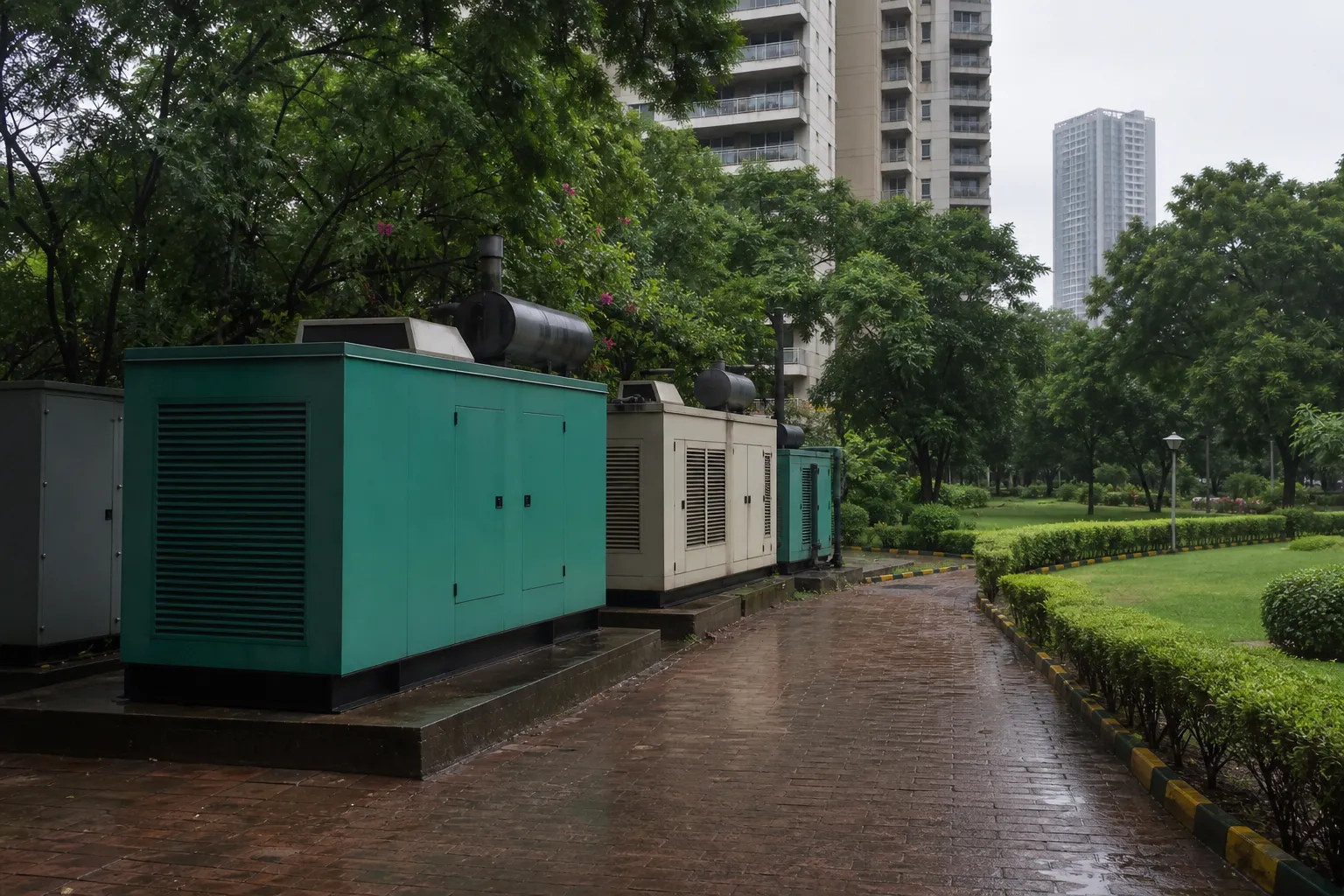
A dispute over backup power has moved from a DLF Phase 1 neighbourhood to the National Green Tribunal, where a residents' association has challenged the installation of 30 diesel and gas generator sets across nine parks and greenbelts. The tribunal has issued notices to state, civic, pollution-control and planning authorities and listed the matter with a similar pending case.
The petition was filed by the residents' welfare association of A Block. It alleges that the installations violate environmental norms and expose the surrounding residential area to air and noise pollution. Photographs and an approved site plan have been placed before the tribunal in support of the claim. These are allegations at this stage; the respondents have yet to place their complete replies on record.
A bench led by NGT chairperson Justice Prakash Shrivastava, with expert member Afroz Ahmad, sought responses from the Haryana government, Commission for Air Quality Management, Haryana State Pollution Control Board, Department of Town and Country Planning, DHBVN, MCG and the developer. The case was directed to be heard on August 5 alongside proceedings concerning generator sets in Malibu Towne because the issues overlap.
For residents, the question is not whether condominiums and commercial premises need reliable power. Gurugram's outages make backup systems a daily necessity in many neighbourhoods. The dispute is about where large machines may be placed, what approvals they require and whether common green space can be used for utility infrastructure without a transparent process.
Generator sets can create several distinct impacts. Diesel units emit particulate matter and nitrogen oxides, while both diesel and gas machines produce continuous mechanical noise. The effect depends on fuel, age, acoustic enclosures, operating hours, stack height, maintenance and distance from homes. A count of machines alone does not establish the pollution level, but it is enough to justify a careful site-by-site compliance review.
The park issue also carries a land-use dimension. Greenbelts and public parks are not spare plots waiting for equipment. If any installation was authorised, the approving agency should identify the legal basis, boundaries, safety clearances and restoration obligation. If it was not, the same authorities need to explain why the occupation continued and what alternative location is feasible.
A useful tribunal-directed inspection would map every generator, record ownership and capacity, verify consent and emission documents, measure noise during operation and compare the positions with the sanctioned layout. It should also distinguish machines serving essential community systems from those supporting private commercial loads. That evidence would be more reliable than broad claims from either side.
The next hearing will not automatically settle the dispute, but it can force scattered agencies to answer on one record. Gurugram often solves power shortages by placing noisy hardware wherever space appears available. This case asks a harder question: whether reliability can be delivered without quietly converting the city's green commons into permanent utility yards.
Sources and reporting
Based on the petition before the National Green Tribunal, the respondents named in the notice and the tribunal's decision to hear the matter with a similar pending case.
Related Stories

Mayor Announces Stricter MCG Drive Against Stray Cattle
Court Stays Further Eviction at Baba Balak Nath Temple Complex
HRERA Orders Rs 19.28 Lakh for Delayed Sector 82 Flat Possession

STF Arrests Agra Man With Six Country-Made Pistols in Sohna

FDA and Police Seize Codeine Syrup, Alprazolam in Sohna Raid