NGT Seeks Environment Ministry Reply in Raisina Aravalis Proceedings
GURUGRAM: The National Green Tribunal has directed the Union environment ministry to ensure representation and file a reply in ongoing proceedings concerning alleged environmental violations in the ecologically sensitive Raisina Aravalis. The matter, which also involves applications from local residents and property holders, is now listed for September 1.
A bench headed by NGT chairperson Justice Prakash Shrivastava, with expert member Afroz Ahmad, noted that the ministry had not appeared despite service of notice. It directed the respondent to join the next hearing virtually or appoint an advocate. The ministry’s Chandigarh office was also given two weeks to respond to an intervention application filed by the Ansal Retreat Resident Welfare Association.
The proceedings concern construction and reconstruction activity in protected hill land around Raisina. Under the 1992 Aravali notification, buildings, infrastructure development and tree felling in notified areas require prior permission. The tribunal is examining whether earlier protection and restoration directions have been implemented, not deciding through the latest procedural order that every property in the area is illegal.
The RWA has been granted two weeks to place the names of participating members and their plot details on record. Another applicant, Kuldeep Kumar Kohli, has also sought to be added to the case. Respondents are to receive copies of the applications and have been allowed time to file their replies, ensuring that competing claims are heard before further directions are issued.
The Raisina dispute sits within a much longer enforcement history. The tribunal ordered restoration of protected Aravali areas in Gurugram and Faridabad in 2018. Monitoring directions were later issued to Haryana and Rajasthan for removal of encroachments and unauthorised construction across protected hill tracts in Gurugram, Faridabad, Nuh and Alwar.
Official surveys have previously identified hundreds of farmhouses on Aravali land in Gurugram, while show-cause notices and limited demolition drives have taken place over the years. Environmental campaigners argue that delayed enforcement allows a cycle in which structures are removed and then rebuilt. Property holders, meanwhile, have sought clarity over records, plot status and the application of different legal protections.
The environment ministry’s response is important because the underlying notification is a central environmental safeguard. A complete affidavit should clarify the notified boundaries, the permissions regime and the action expected from state and local authorities. Accurate mapping is equally essential; enforcement cannot be credible if land records, satellite surveys and ground demarcation do not align.
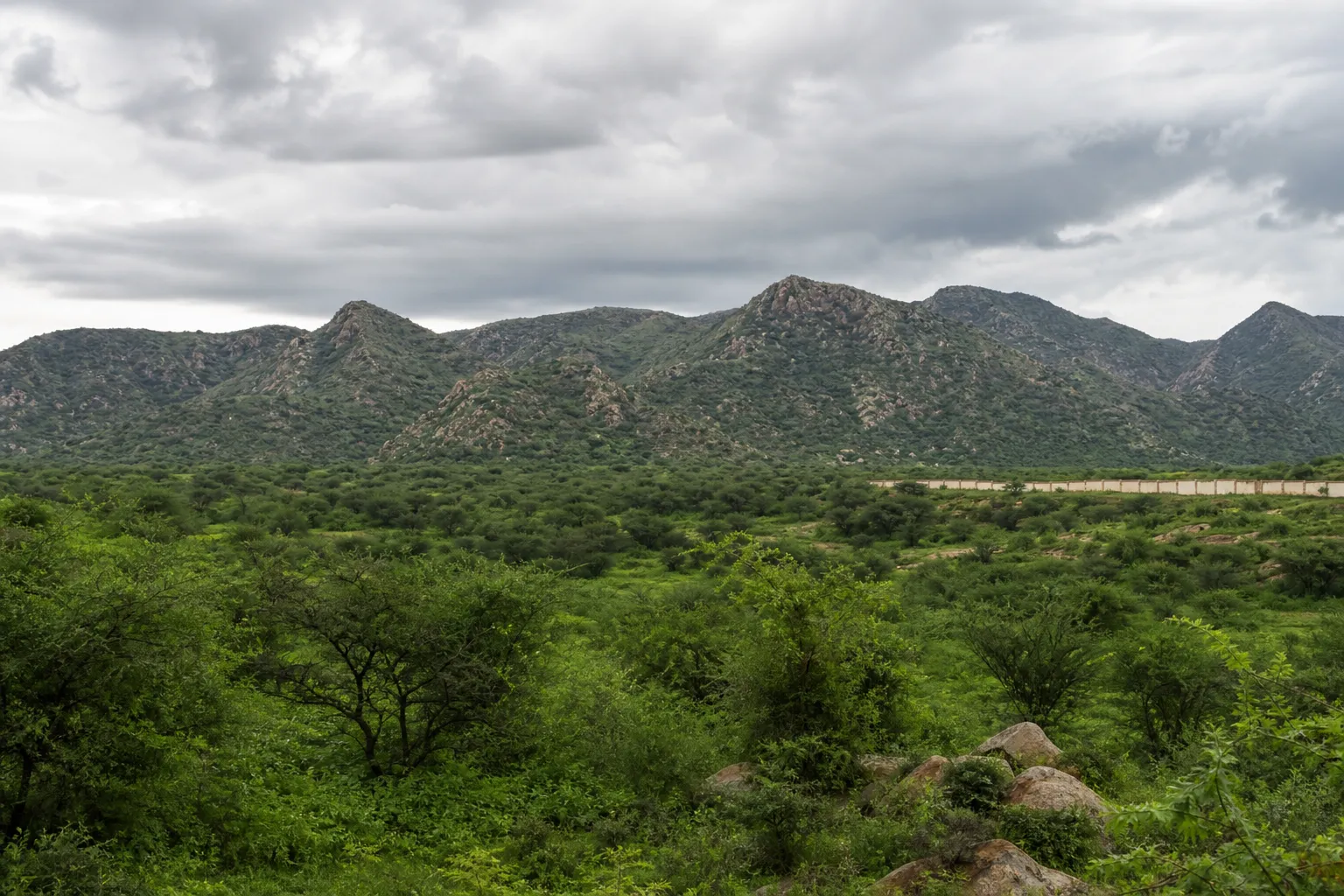
For Gurugram, the case is about more than individual farmhouses. The Aravalis slow desertification, support wildlife movement and help recharge groundwater in a region under intense construction pressure. The September hearing will test whether multiple agencies can move from repeated notices to a coordinated, legally defensible plan for protecting and restoring the hills.
Related Stories

AISA’s Azamgarh meeting calls for teachers, laboratories and libraries

ABVP’s DUSU manifesto puts student housing and academic services on the campaign agenda

AP TET 2026 results released; check the correct examination cycle

Supreme Court Sets January 1 Deadline to Vacate Unsafe Chintels Flats

Human Rights Panel Orders Citywide Audit of Gurugram Drains