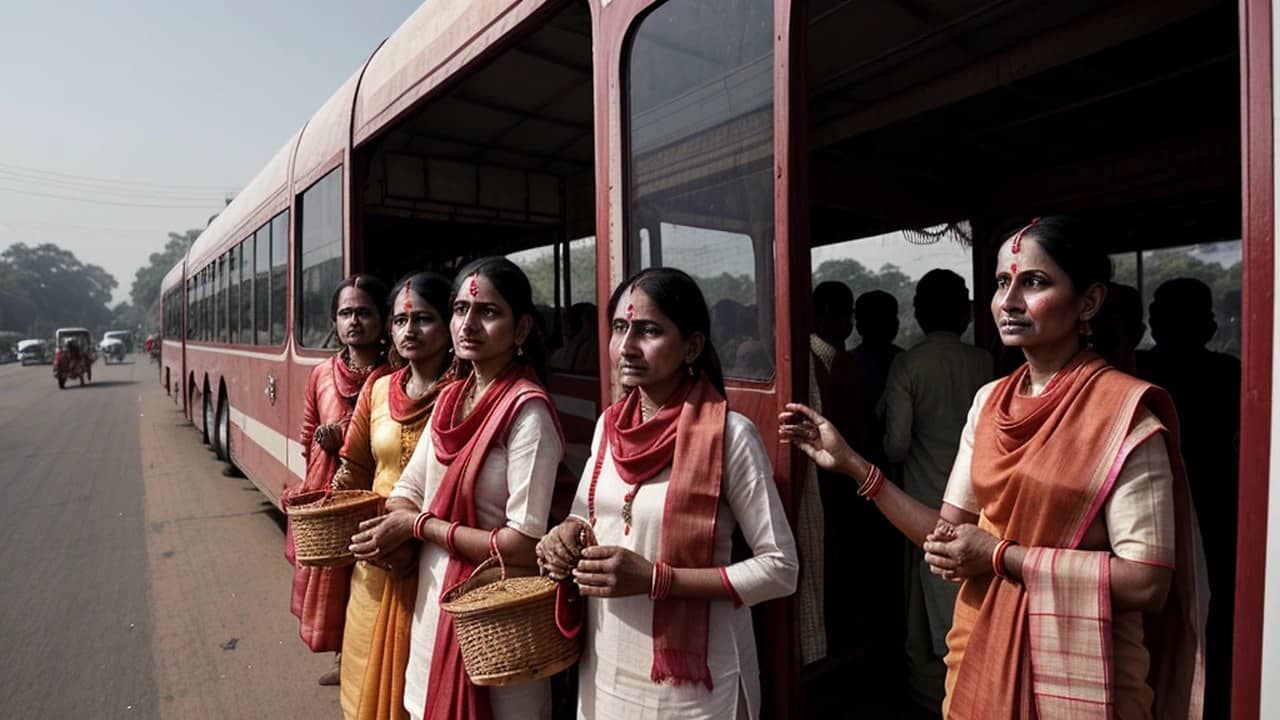
Devotees from Varanasi and nearby districts planning a trip to Maa Vindhyavasini's temple in Vindhyachal this Navratri will find far more buses on the route. The Uttar Pradesh State Road Transport Corporation's Varanasi region will run 86 buses to Vindhyachal Dham during the festival, against about 21 on a normal day.
Of these, 65 are additional "Puja Special" buses, Regional Manager Parshuram Pandey said on Friday. The extra service will run from 11 or 12 October, depending on the depot, until 21 October, the day after Vijayadashami. More buses can be added if crowds are heavier than expected and vehicles are available, he said.
"The number of buses has been increased keeping in mind the expected rush of devotees during Navratri," Pandey said. The arrangement is meant to give direct buses from Varanasi and surrounding districts so that pilgrims do not have to change vehicles on the way.
Jaunpur depot will run the largest share, with 20 additional buses. Cantt and Kashi depots in Varanasi will add 10 buses each. Sonbhadra will add 10, Chandauli eight, Vindhyanagar five and Ghazipur two. The 12 buses that already run on the route from the Rural depot will continue as usual.
For most people in the city, the Cantt bus station near Varanasi Junction and the Kashi depot will be the easiest places to board. Pilgrims from Jaunpur, Chandauli, Ghazipur and Sonbhadra can board from their own district depots instead of first travelling into Varanasi.
The corporation has issued a helpdesk number, 8726005897, which pilgrims can save on their phones before leaving, for questions on timings, boarding points and the number of buses running on a given day. Depot staff can also tell you the expected departure times of the first and last buses. It is best to call a day before travel, especially for the first and last days of Navratri, when the crowd at Vindhyachal is usually at its heaviest.
Vindhyachal lies in Mirzapur district, roughly 70 to 90 km from Varanasi depending on the route, and the journey usually takes two to three hours by road. During Navratri the roads near the temple are restricted and vehicles stop some distance away, so expect a walk to the shrine and keep footwear easy to take off.
Many families combine darshan of Maa Vindhyavasini with visits to Ashtabhuja and Kali Khoh temples, which together make up the Trikon parikrama. That adds time on foot, so older pilgrims should plan for rest stops and carry water. Starting early in the morning helps avoid both the heat and the longest queues.
The festival rush at Vindhyachal peaks in the mornings, and the queue for darshan can stretch for hours on Ashtami and Navami. Families travelling with children should keep a contact number written in each child's pocket and agree on a meeting point near the temple in case anyone gets separated. Carry some cash for local transport and offerings, since mobile networks often slow down in dense crowds. Pilgrims should also keep their bus ticket safe for the return trip, because conductors check tickets at boarding points during the festival. Those planning to return the same day should note the time of the last bus back from the depot staff before setting out.
Navratri this year begins on Sunday, 11 October with Ghatasthapana and runs until Navami on Monday, 19 October, with Vijayadashami on 20 October. Those staying in Varanasi can follow the city's own Nava Durga circuit, with a different shrine for each day, laid out in our Navratri 2026 temple guide for Varanasi.
Inside Varanasi, the municipal corporation has been preparing pandal areas, immersion sites and roads near major temples for the festival, as we reported in the civic plan for Navratri and Durga Puja. Rail travellers can also look at the festival special trains running through the city.
Bus timings and the number of services on any single day may change with demand. The UPSRTC helpdesk remains the most reliable way to check before leaving home.