
Labourer Killed After Speeding SUV Hits Him on Way to Work in Varanasi
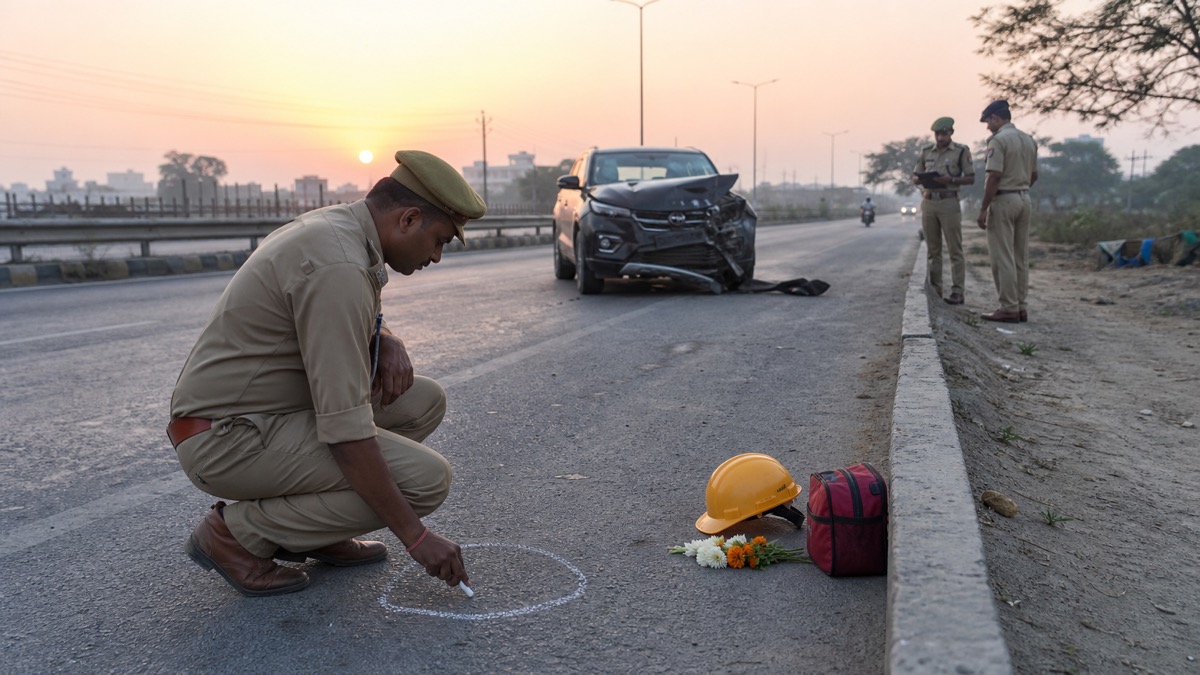
Varanasi: A labourer travelling to work was killed after an SUV struck him on a road in Varanasi, according to local reporting. The vehicle was described as moving at high speed, and the driver allegedly left the scene. Police are expected to use registration details, physical evidence and camera footage to identify the vehicle and establish the sequence.
The victim’s morning journey was ordinary: leaving home to earn a day’s wage. That makes the death painfully representative of road risk for workers who walk, cycle or use small two-wheelers before traffic fully settles. Their routes often combine fast vehicles, weak lighting, broken shoulders and few safe crossing points. A single driver’s error can erase a household’s income in seconds.
“Speeding” is part of the initial account and must be verified through evidence. Investigators can examine skid marks, impact damage, the final position of objects and any surveillance recording. Witness statements are important but can differ in moments of shock. The allegation that the driver fled also requires proof; leaving an injured person without assistance carries both moral and legal consequences.
Police should move quickly to preserve video from shops, toll points and traffic cameras along likely routes. Vehicle fragments can help narrow the make or model even when a number plate was not seen clearly. Hospitals and repair workshops may also receive a damaged vehicle. A prompt, documented investigation is essential for the family, which should not have to chase basic information while arranging a funeral.
Road design is part of the story too. If a stretch repeatedly produces serious crashes, enforcement after each death is not enough. Authorities should review lighting, lane markings, pedestrian space and the actual speeds vehicles reach—not only the posted limit. Shift changes, school hours and market openings create predictable windows when vulnerable road users are concentrated.
The family may be entitled to support through insurance or statutory compensation channels, but those processes can be difficult for informal workers whose employment records are limited. Legal-aid assistance can help secure documents and claims. For Varanasi, the larger obligation is prevention. A labourer should not need a private vehicle to reach work safely, and a road cannot be called efficient if its speed is purchased with the lives of people moving at its edge.
Any arrest or vehicle seizure should be supported by forensic and documentary links rather than public pressure. The victim’s family needs a copy of the FIR, post-mortem documentation and guidance on compensation claims. These procedural steps can feel cold after a sudden death, but missing paperwork often becomes a second hardship months later.
Sources and reporting
Based on local road-accident reporting published on 14 August 2026. Speed and flight from the scene are reported allegations subject to investigation; the victim is not visually depicted.
Related Stories

Ramnagar Day Three Follows Vishwamitra Into the Forest and Mithila

Shivpur Ramlila Stages Narad Moh and Kshirsagar Tableau Through Rain
VMC Puts City on Alert for Navratri and Durga Puja Civic Arrangements
Chowk Becomes Varanasi's First Police Station With ISO 9001 Certificate

World Tourism Day: Guides Welcome Visitors; Namami Gange Cleans Namo Ghat