Court Refuses to Halt Clearance on Acquired Land in Krishna Nagar
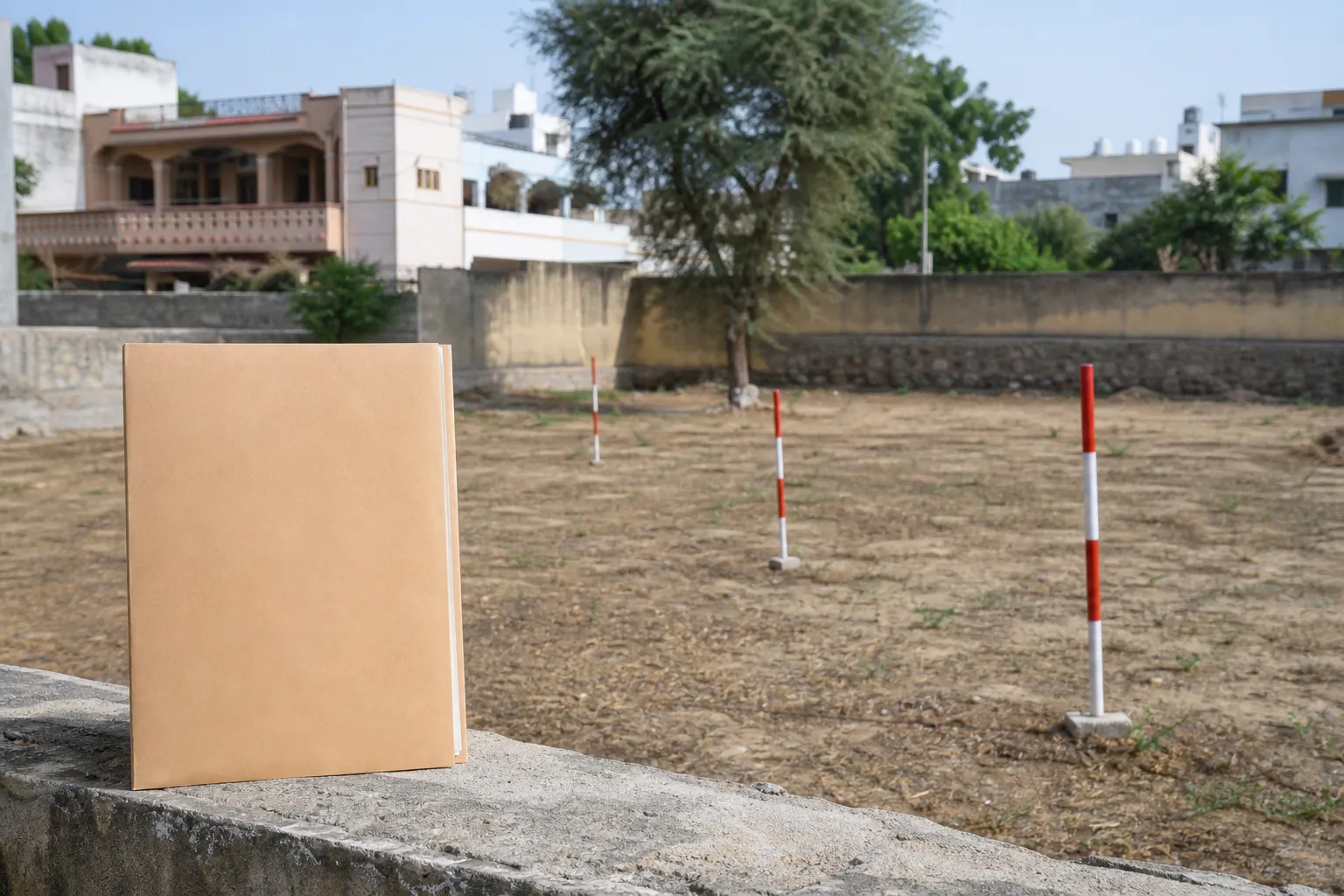
GURUGRAM: A local court has declined to stop proposed action against construction on acquired land in Krishna Nagar near Basai Road, refusing the interim protection sought by the claimant at this stage of the dispute.
The order does not by itself decide every question of title or make demolition compulsory on a particular date. It means the applicant did not secure a temporary restraint preventing the public authority from proceeding under its acquisition and enforcement record. Any field action must still comply with the operative order, applicable notices and the boundaries of the land concerned.
The dispute turns on a familiar but legally important distinction in Gurugram's older colonies: long physical possession is not necessarily the same as lawful ownership after acquisition. Residents may point to years of occupation, utility connections, tax payments or local documents, while an authority relies on acquisition notifications, awards and possession records. Each document serves a different purpose and must be read in the correct legal context.
For a court considering interim relief, the immediate questions generally include whether the claimant has shown a prima facie right, whether irreversible harm may occur and where the balance of convenience lies. Refusing an injunction is not equivalent to a criminal finding against the occupant. Nor does it prevent a party from pursuing another remedy available under law, subject to limitation and the terms of the order.
The authority should therefore keep the process document-heavy and site-specific. Survey numbers and boundaries must match the notices; officials should photograph and inventory the affected portion; and any occupied residential premises require particular care over notice and access to belongings. A broad description such as Krishna Nagar cannot substitute for precise demarcation on the ground.
The case also carries a warning for buyers. Property in an established neighbourhood may appear regular because it has electricity, water and a municipal address. Those services do not automatically cure an acquisition issue or establish that a seller can transfer clean title. Prospective purchasers should examine the revenue record, acquisition history, sanctioned plan and pending litigation rather than rely only on possession or a chain of private agreements.
Public agencies have a corresponding responsibility to act promptly. When acquired land remains occupied for years, families invest more money and the eventual dispute becomes harder to resolve. Updated land maps and searchable status records would reduce both accidental purchases and claims that enforcement arrived without warning.
For now, the narrow verified development is the court's refusal to halt the clearance action. The merits of competing claims remain governed by the full record and any further proceedings. That legal caution should continue to guide both enforcement officials and public reporting on what happens next.
Sources and reporting
Based on the Gurugram court order and the parties' stated positions concerning acquired land at Krishna Nagar, checked on 1 August 2026.
Related Stories

Wildlife Scientist Jamal A Khan Takes Charge as AMU Life Sciences Dean

AMU Schedules Campus March for Suicide Prevention on 10 September

Bhopal Teacher Aspirants Enter Day 20 of Protest Over Recruitment Vacancies

Telangana Puts Pending Student Fee Reimbursements at ₹8,591.62 Crore

Odisha Releases D.El.Ed Merit Lists for Urdu and Kandhamal Quotas