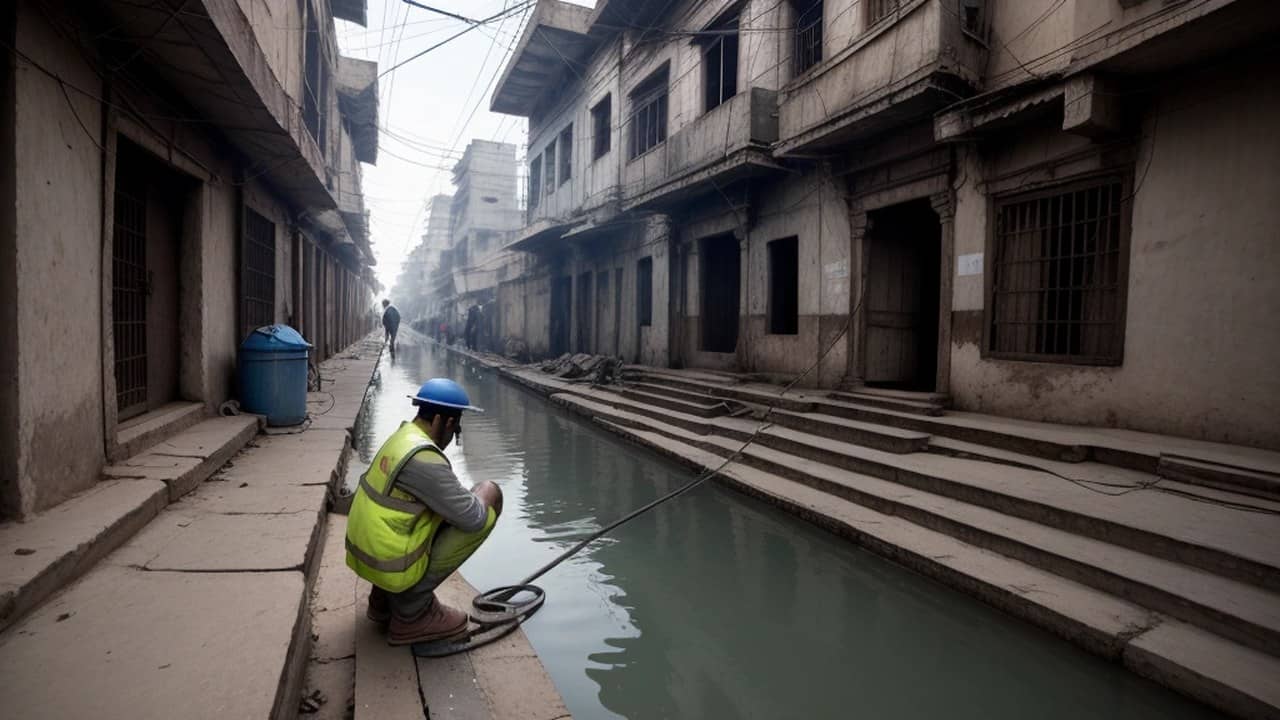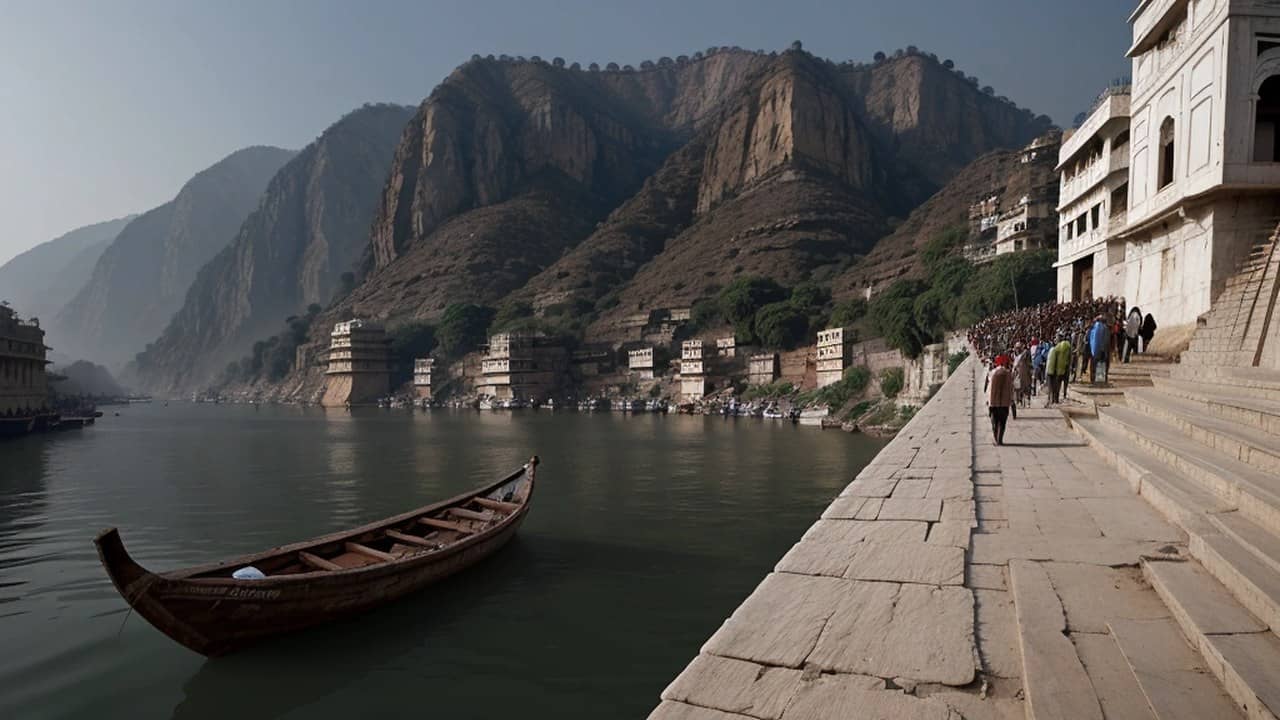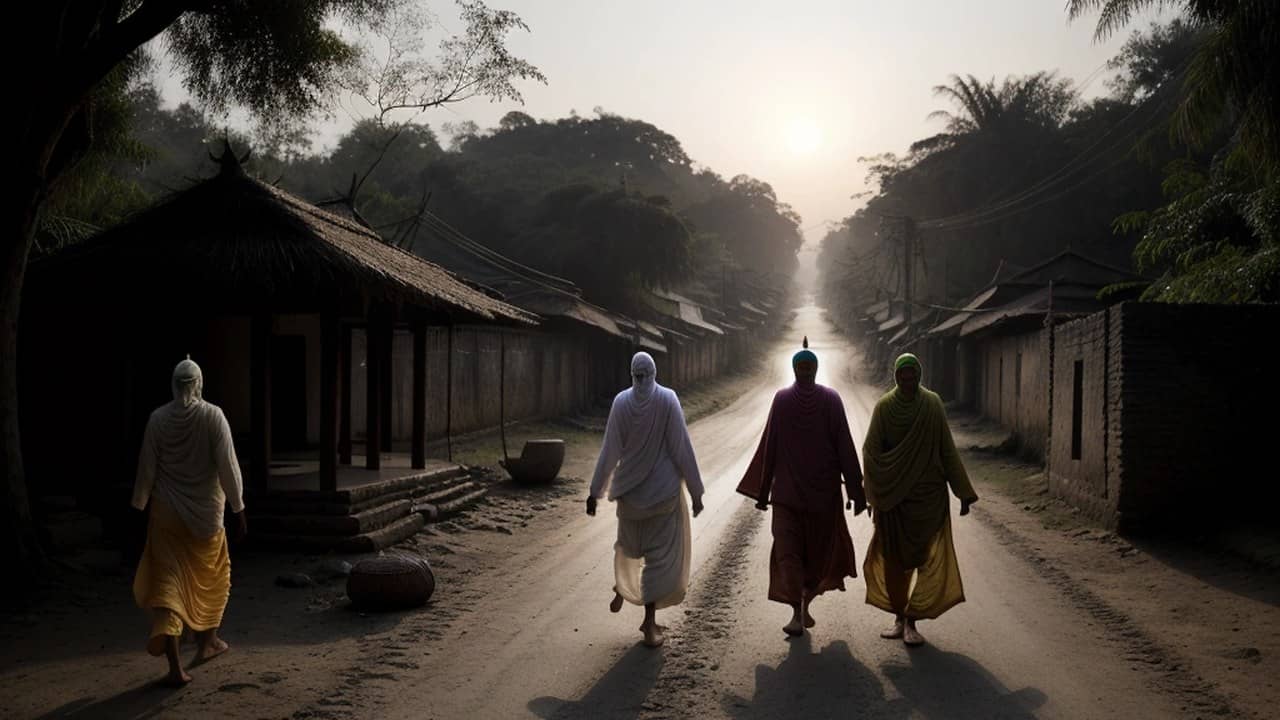
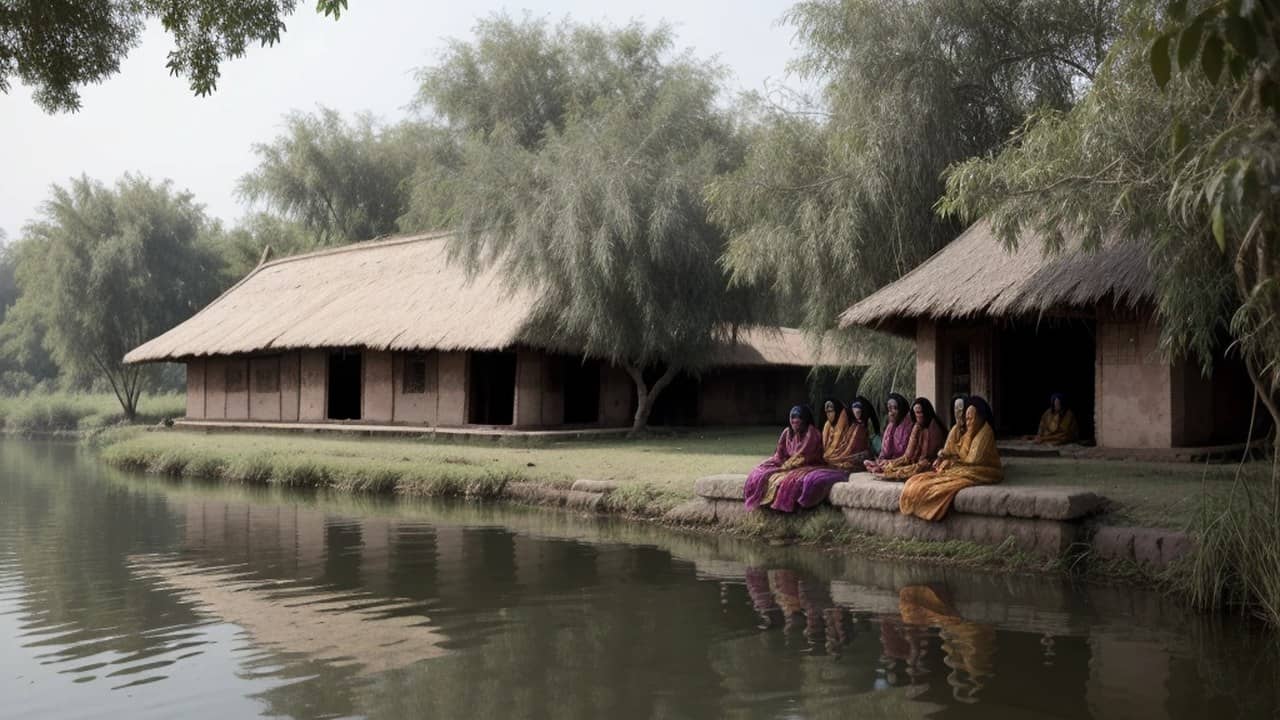
Mothers across rural Varanasi kept the Jivitputrika, or Jiutiya, nirjala fast on Saturday for their sons' longevity, offering prayers at riverbanks, ponds and temples from the Rohania belt through Chaubeapur, Mirzamurad, Baragaon, Lohta, Shivpur and Ramnagar areas.
Women sat in traditional gonth gatherings beside waterbodies, listened to the katha of Raja Jiyut Vahan, and sang mangalik songs that mark the autumn vow. In Rohania's reporting stretch, observances were noted at Akhari, Amra, Gajadharpur, Madhopur, Kashipur, Mohansarai, Rohania, Raja Talab and Mataldei. Chaubeapur-side accounts pointed to Umarha and Chandravati among places where Ganga and pond-side worship took place.
Mirzamurad-area mothers offered fruit, coconut and puja material under sugarcane mandaps. In Gaur and nearby villages, temples including the Shiv temple at Bangalachatti and sites in Benipur, Mehendiganj, Khajuri, Pure, Amini, Rupapur, Pratapapur, Kardhana, Khalispur, Ganeshpur, Bhorkhurd and Bhikhipur drew crowds. Baragaon reports mentioned Sheetla Mata and Shiv Sarovar tank banks at Basani.
Lohta-side villages in the list included Mahmudpur, Bhatti, Bharthara, Bankat, Sarhari, Chhitauni, Harpalpur, Bakhariya, Kakrahiya, Kerakatpur and Korauta. On Kachhwa Road, women gathered at the Hanuman temple in Thatra village for the same katha. Shivpur's Ganeshpur and Bharlai belts also held Jiutiya worship, including at Ram Bhatt Talab's Alhakalha temple. Ramnagar accounts described mothers praying at Ganga ghats, Durga Mandir Pokhra, Sagra Talab and other sarovars.
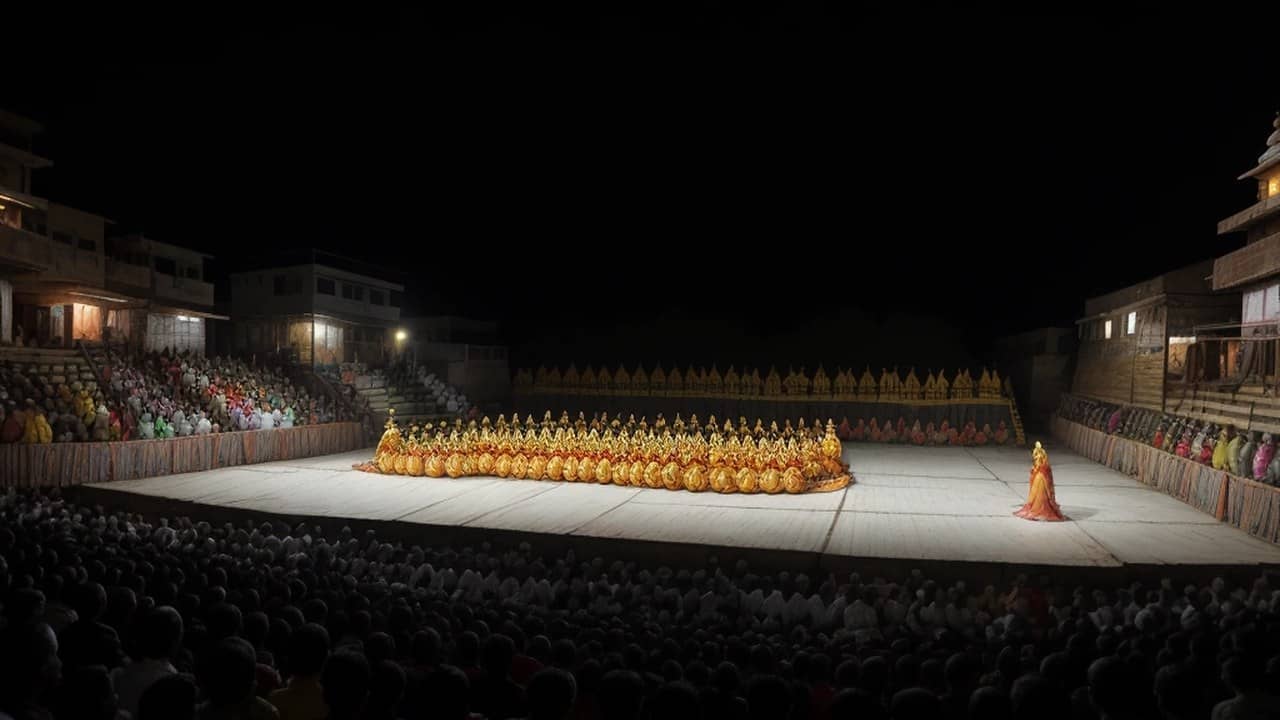
The fast is nirjala: no food, no water through the vow period as kept in this region. That severity is why neighbours keep an eye on elderly women and why evening break rituals are carefully staged. The festival sits close to other autumn observances that already fill Banaras calendars, including neighbourhood Ramlilas such as Ramnagar's ongoing Ayodhya kanda nights.
For urban readers, Jiutiya can look like a village story. In Varanasi district it still organises whole mornings around ponds that double as social squares. Young mothers learn the songs from older women; men often stay at the edge of the gonth unless called for arrangements. The public meaning is straightforward: a mother's vow for a child's long life, told through one king's tale and a day of empty stomachs.
Health caution matters in October heat. Families usually encourage rest in shade between rituals. Anyone with a medical condition should follow a doctor's advice rather than community pressure; the cultural report here is not medical instruction. Carry oral rehydration for the evening only if a clinician has cleared the fast break plan.
Temple committees and pond trusts often clear plastic after the crowds leave. That civic aftercare connects to wider cleanliness drives the city has seen around ghats and stations, including recent plantation and swachhata events such as the 11th NDRF Gandhi Jayanti clean-up. Festival devotion and public litter are a familiar Banaras pair; the second need not win.
What happens next on the festival calendar is the return to routine kitchens and the continuing Ramlila month. Jiutiya does not leave permanent stages behind. It leaves memory, songs and, for many households, a quiet pride that the vow was kept.
Readers outside the listed villages should not treat the place-names as a tourist circuit. They are simply where Saturday's observance was visible enough to record. The map of maternal fasting in Varanasi district is wider still, and largely private.
By Sunday morning most gonths had emptied and kitchen fires were lit again. The songs remain in memory, and so do the pond steps where women sat without water through a long autumn day. That is the measure of Jiutiya in Varanasi's villages: not a stage set for visitors, but a vow kept in public and then folded quietly back into ordinary life.
Residents following the story should stick to named officials and dated briefings rather than forwarded rumours, and check dalimss.news for verified updates from the Varanasi desk as facts develop through the week.
Practical takeaway for readers: note the date, the place, and the office that spoke on record, then decide travel or household plans only after those points are clear.