No, walking 10,000 steps a day is not a requirement everyone must meet before physical activity benefits their health. Research has found associations with better outcomes at lower step counts, while World Health Organization guidance sets adult activity goals in minutes and intensity. A daily step total can help you notice movement, but it is not a universal medical threshold.
| Question | What the evidence says |
|---|---|
| Is 10,000 compulsory? | It is not the daily target specified in WHO adult guidance. |
| Do fewer steps count? | Studies have reported benefits below 10,000, with important limits. |
| What does WHO recommend? | Adults should aim for 150-300 minutes of moderate aerobic activity weekly, or 75-150 vigorous minutes, or an equivalent combination. |
Is walking 10,000 steps a day necessary?
The useful distinction is between a convenient goal and a minimum required for health. Ten thousand may suit someone already active. For someone starting from a much lower level, treating it as a pass or fail test can hide meaningful progress. A study finding an association at one number also cannot establish the right daily target for every individual.
A 2025 systematic review indexed in PubMed examined daily steps and multiple health outcomes. It included 57 studies from 35 cohorts in the review, with 31 studies from 24 cohorts contributing to meta-analyses. The authors said 7,000 steps could be a more realistic goal for some people, while 10,000 could remain viable for more active adults.
That finding needs its qualification. The review reported associations, and the authors identified limitations including few studies for many outcomes, a lack of age-specific analysis and residual confounding. Other differences between participants could affect the results. Seven thousand therefore should not become another rigid number everyone is told to reach, nor a promise about an individual's future health.
What did research find below 10,000 steps?
An earlier NIH research summary published on 11 June 2019 described a study of almost 17,000 women whose average age was 72. Women taking about 4,400 steps daily had lower mortality during follow-up than those taking about 2,700. The association levelled off at around 7,500 steps in that group.
Those figures describe that particular study population. They are not an Indian population standard, an instruction for younger adults or proof that additional movement above 7,500 has no value. Together with the later review, the study helps answer the original question: health benefits do not appear to begin only when a counter reaches exactly 10,000.
How does WHO guidance differ from a step target?
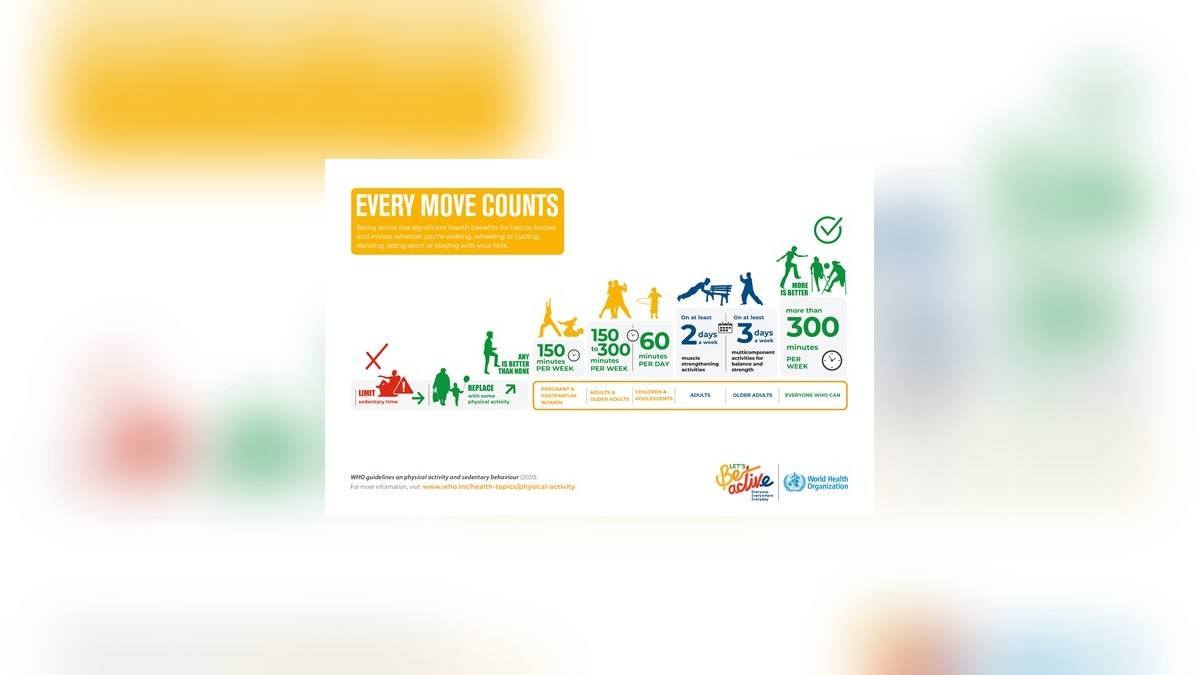
The WHO recommendations describe aerobic activity through duration and intensity. The adult range is 150-300 minutes of moderate activity weekly, or 75-150 minutes of vigorous activity, or an equivalent combination. These are weekly recommendations, so one day's step total does not directly establish whether the guidance has been met.
WHO also recommends muscle-strengthening activity involving all major muscle groups on at least two days weekly. For older adults, varied activity emphasising functional balance and strength is recommended on at least three days. A walking count does not describe these separate elements, which matter when assessing an overall activity routine.
For the wider recommendations, see our guide to exercise per week for adults. The distinction matters when reading a step headline: a single number cannot tell you how much strengthening, balance work or sustained aerobic activity someone does.
The WHO physical activity factsheet says all physical activity counts and all age groups should limit sedentary time. Movement can happen through work, domestic activities, travel or recreation. That broader definition helps explain why evaluating a day requires more context than whether a particular step threshold was crossed.
How can beginners use walking goals safely?
The NHS walking guide says people who are not very active but can walk should increase distance gradually. It also explains that a brisk 10-minute walk counts towards weekly exercise. A short walk can therefore contribute even if it leaves you well below a large daily step target.
To recognise a brisk pace, the NHS offers a simple cue: you should still be able to talk, but not sing a song. Use that alongside our explanation of moderate intensity and the talk test. A step total alone does not show whether all those steps were taken briskly or in short, slower movements.
The same NHS guide suggests making walking part of ordinary routines, such as walking to shops or taking a regular walk with a friend. Comfortable shoes that support your feet and do not cause blisters are sufficient. Choose a manageable route and stop if walking causes pain. There is no need to finish an arbitrary count despite discomfort.
If you have a medical condition, consult a qualified doctor about a suitable activity level before increasing your walking. For additional context, our walking benefits guide explains brisk pace and weekly minutes. Treat steps as one way to follow progress while keeping the official guidance and your own capacity in view.