IMS-BHU Opens Seventh Paediatric Dialysis and Apheresis Training Module
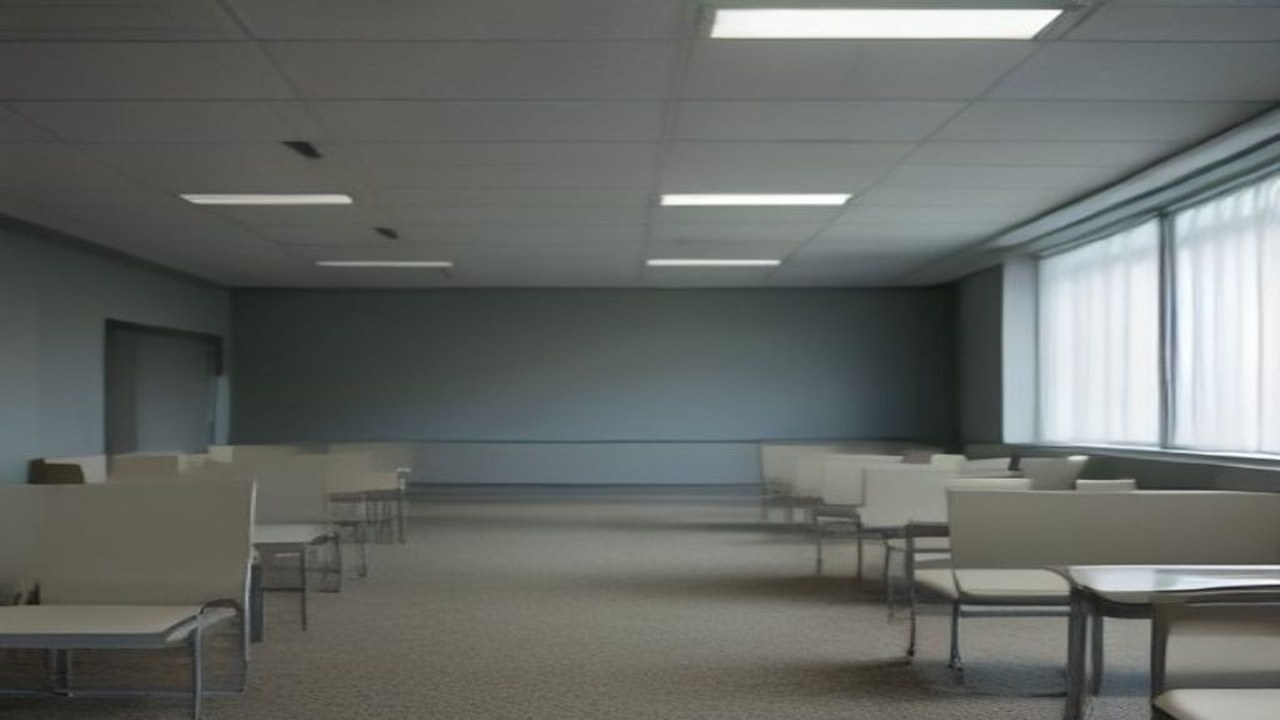
Sir Sunderlal Hospital’s Doctors Lounge hosted the seventh edition of a national paediatric dialysis training module on the Banaras Hindu University medical campus, with faculty arguing that more frontline paediatricians must learn emergency renal procedures.
The Paediatrics Department at the Institute of Medical Sciences inaugurated the Paediatric Dialysis & Therapeutic Apheresis Module for Emergency — PD-TAME — in a programme built by the Adharshila Renal Care Project with the Rural India Supporting Trust. Specialists in paediatric nephrology and critical care from across the country joined the local faculty.
Vice-Chancellor Prof Ajit Kumar Chaturvedi, attending as chief guest, pointed to the shortage of paediatric nephrologists in India and urged a cascading model that spreads basic dialysis skills through medical colleges. Children should not have to travel to a handful of metro centres for every acute kidney crisis, he said, if the first hospital can start peritoneal dialysis or haemodialysis safely.
IMS Director Prof S.N. Sankhwar framed the workshop as a way to thicken the thin specialist layer. Medical Superintendent Prof Puneet stressed how often kidney injury turns up in paediatric wards and how few young consultants get hands-on time with catheters and machines before they face a crashing child at night.
Course Director Prof Abhijeet Saha, who leads paediatric nephrology at Lady Hardinge Medical College, told delegates that capability at the first point of care cuts needless referrals. Prof O.P. Misra, emeritus professor at Heritage Institute of Medical Sciences and a senior paediatric nephrologist, said every postgraduate paediatrician ought to know the basics of haemodialysis and therapeutic apheresis.
Neena Jolly, trustee of the Adharshila project, put the clinical logic in plain language: what is missed early in a child’s kidney injury becomes a harder problem later. First responders who spot warning signs and open the right pathway can still reverse many courses, she said.
The module’s practical menu covers acute peritoneal dialysis, haemodialysis, haemodiafiltration, therapeutic apheresis, automated peritoneal dialysis, point-of-care ultrasonography and vascular access. Organising secretary Prof Abhishek Abhinay of the Division of Nephrology handled vote-of-thanks duties; Head of Paediatrics Prof Ankur Singh welcomed the guests.
For Varanasi, the event is less about a ribbon and more about whether Sir Sunderlal’s paediatric wing keeps building a bench of doctors who can run emergency dialysis without waiting for a Lucknow or Delhi transfer. Seventh edition means the network already has alumni in other colleges; the test is whether those alumni actually start programmes when they go home.
No patient outcome statistics were released at the inauguration. The claims on stage were about training capacity, not about a new machine count for the hospital’s wards. That distinction matters. PD-TAME is a teaching module. The hardware and staffing that convert teaching into 24x7 service sit in a separate budget conversation inside IMS.
Sources and reporting
Inauguration at Doctors Lounge, Sir Sunderlal Hospital, reported 20 Sep 2026. PD-TAME by Adharshila Renal Care Project with RIST. Speakers: VC Prof Ajit Kumar Chaturvedi; IMS Director Prof S.N. Sankhwar; MS Prof Puneet; Course Director Prof Abhijeet Saha (LHMC); Prof O.P. Misra; Organising Secy Prof Abhishek Abhinay; HoD Prof Ankur Singh; Neena Jolly (Adharshila). Training: PD, HD, HDF, apheresis, POCUS, vascular access.
Related Stories
VMC Steps Up Cleaning and Lighting Ahead of Ramnagar Ramlila From 25 September
Phoolpur Police Recover Missing 16-Year-Old From Pindra After Three Days
BHU Dairy Science Team Wins Indian Patent for Milk–Aloe Antacid Tablet
Mahanagari Express to Halt at Varanasi Cantt From 21 September
Ranchi–Varanasi Vande Bharat Delayed After Pantograph Snags OHE at PDDU