
The IMPS transfer limit is up to Rs 5 lakh per transaction under the network ceiling, but the amount available to an individual customer can be lower. A bank can apply a daily transfer limit, a separate limit for a newly added beneficiary, or restrictions for a particular transfer route. IMPS means Immediate Payment Service.
That is why a payment below Rs 5 lakh can still be refused. The network ceiling answers how large one eligible transfer can be. It does not establish how much every account can send in a day, how soon a new payee becomes active, or whether all channels have the same allowance.
| Limit to identify | Question it answers |
|---|---|
| Per transaction | How much can this individual transfer carry? |
| Daily or third party transfer limit | How much allowance remains for the day? |
| New beneficiary restriction | Is the payee active and subject to an initial cap? |
| Transfer route | Are account details or a registered number and MMID being used? |
Is the IMPS limit Rs 5 lakh per day or per transaction?
SBI's official IMPS FAQ distinguishes the two limits explicitly. It lists online outward transfers of up to Rs 5 lakh each, with a cumulative allowance of up to Rs 25 lakh or the third party limit set, whichever is lower. These are the conditions described for SBI's online channels, rather than a daily allowance that applies automatically at every bank.
A simple example shows the distinction. Assume an account has a hypothetical daily allowance of Rs 3 lakh and its holder has already sent Rs 2.4 lakh through transfers counted towards that allowance. The remaining capacity is Rs 60,000: Rs 3,00,000 minus Rs 2,40,000. A further Rs 80,000 transfer would exceed that daily allowance even though it is below Rs 5 lakh. These figures illustrate subtraction, not a bank's published tariff or limit.
Why can a new IMPS beneficiary have a lower limit?
HDFC Bank's IMPS product page provides a useful example. It says a newly added payee becomes active after 30 minutes. For account number and IFSC transfers, the bank allows a maximum of Rs 50,000, in full or parts, to that newly added beneficiary during the first 24 hours. The normal per transaction maximum listed after that period is Rs 5 lakh, with daily transfers governed by third party transfer limits.
The words "in full or parts" matter. In that initial period, sending Rs 30,000 and then Rs 20,000 uses the stated Rs 50,000 allowance. Splitting another payment into smaller pieces does not increase that allowance. The activation waiting period and the initial amount restriction are different controls: the first concerns when a payee can receive a transfer, while the second concerns the permitted total.
The same HDFC page lists Rs 5,000 per transaction for its MMID route and a separate simplified transfer flow using a registered number and bank name, with up to Rs 10,000 per day. These are bank and route specific rules. They explain why quoting only the headline network maximum can give the wrong answer for the screen a customer is using.
What details are needed for an IMPS transfer?
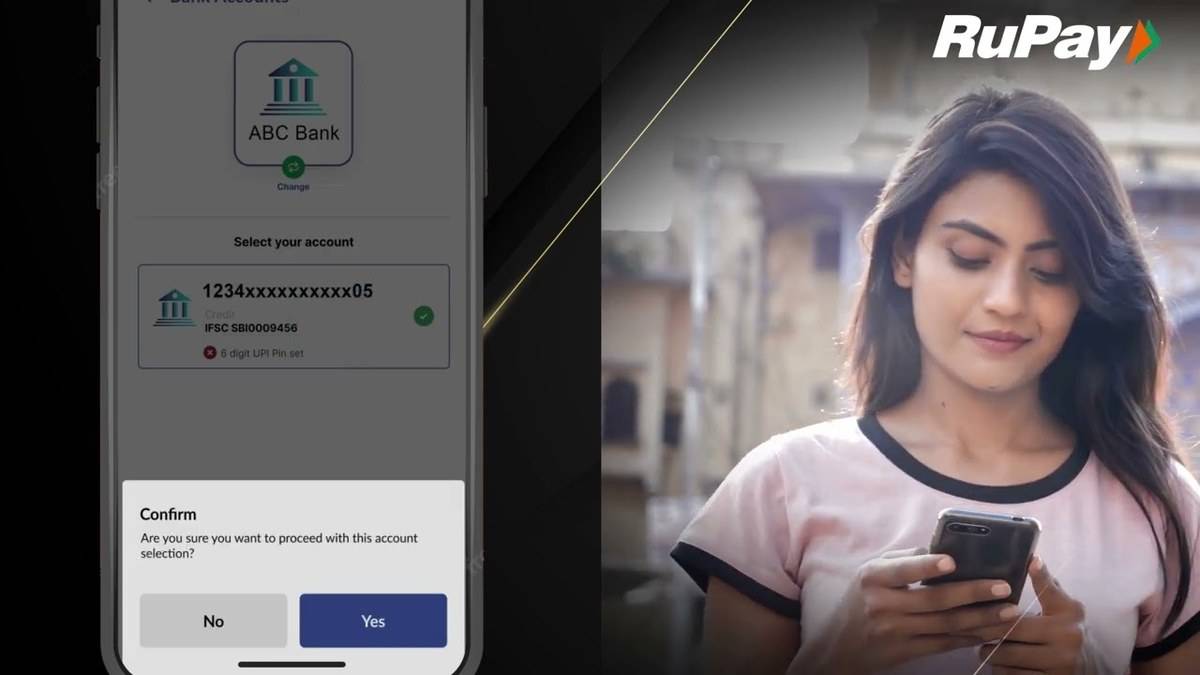
The State Bank of India IMPS FAQ describes two routes: beneficiary account number and IFSC, or registered number and MMID. MMID is a seven digit Mobile Money Identification Number. The FAQ also requires beneficiary details appropriate to the selected route and transaction rights on the sender's account.
SBI describes IMPS inward and outward transfers as available 24 hours a day, without holiday restrictions. It says the recipient can use money immediately after credit. Availability of the service and permission for an individual payment remain separate matters, however. A sender still needs sufficient balance and the required transfer allowance. The bank's FAQ warns that account number details determine the credit, making a careful review before authorisation essential.
Are IMPS transfers free?
There is no single customer fee that can be inferred from the Rs 5 lakh ceiling. HDFC Bank's dedicated fee page, checked on 27 November 2026 at 9:11 pm IST, lists online outward charges effective 1 August 2025: Rs 2.50 up to Rs 1,000; Rs 5 above Rs 1,000 and up to Rs 1 lakh; and Rs 15 above Rs 1 lakh. Applicable GST is additional.
That page says inward IMPS transactions are free and identifies a waiver for Imperia and Preferred customers. The published example for sending Rs 50,000 is Rs 5 plus applicable GST. These are HDFC's stated terms for the described transactions, rather than a fee schedule for every Indian bank.
Before interpreting a rejected payment, identify the transfer route, payee activation status and remaining allowance shown by the bank. For related reading, our guides explain bank statement narration, NEFT and RTGS limits, and failed UPI payment refunds. Keep the transfer reference and status record when asking the bank to examine a particular transaction.