
High Court Rejects Challenges to Varanasi Land Acquisition, Notes Possession Since 2003
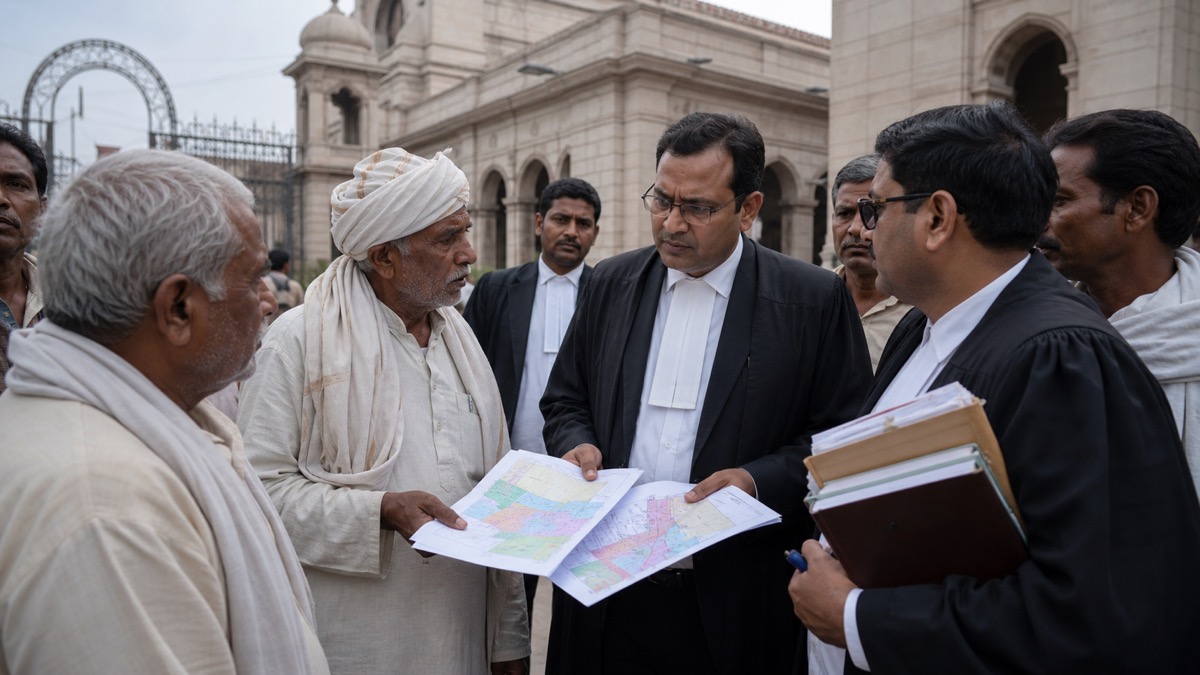
Varanasi: The High Court has rejected petitions challenging a land acquisition in Varanasi after noting that possession of the property had been taken in 2003. The ruling turns on the long passage of time and the legal effect of completed possession, issues that frequently determine whether an old acquisition can still be reopened.
Land disputes rarely fit into a simple contest between development and ownership. Families may retain documents, memories of cultivation or compensation grievances long after the state records a parcel as acquired. Public authorities, meanwhile, may have planned roads, institutions or other works on the assumption that the transfer is complete. Courts must examine statutory notices, awards, possession records and the conduct of both sides.
In the reported order, the court placed weight on possession dating back to 2003. That observation suggests the petitioners faced the difficult task of explaining why relief should be granted more than two decades later and what practical consequence would follow if the land had already vested or been put to public use. The exact reasoning, parties and parcel details should be read from the full judgment rather than inferred from a short news account.
Delay does not automatically erase every legal wrong. Courts can intervene where acquisition was fraudulent, mandatory procedure was ignored or a continuing right remains unresolved. But elapsed time can affect evidence, third-party interests and the feasibility of restoration. A challenge filed after a project has substantially advanced is assessed differently from one brought before possession.
Compensation is another distinct question. Rejection of a challenge to the acquisition itself may not answer every dispute about payment, apportionment or rehabilitation. Landowners and successors need clear records showing whether an award was made, where money was deposited and what remedy remains available. Authorities should digitise old acquisition files so families are not asked to reconstruct a 2003 process from fading paper.
The Varanasi ruling is a reminder that property claims require timely legal attention. It also places a duty on the state to make notices and compensation procedures understandable when acquisition begins. People should not discover years later that official records and their own understanding of possession have diverged. For those directly affected, qualified legal advice based on the complete order—not a headline—is essential before deciding whether any appeal or separate compensation claim is possible.
The decision may also influence similarly delayed petitions, although every acquisition depends on its own record. Lawyers will look closely at how the bench treated possession, compensation and delay. Administrators should resist reading the outcome as permission for poor documentation; clear records are precisely what allow a court to resolve old claims fairly.
Sources and reporting
Based on court reporting published on 14 August 2026. The summary reflects the reported order, including the court’s observation about possession in 2003, and does not replace the full judgment or legal advice.
Related Stories

Ramnagar Day Three Follows Vishwamitra Into the Forest and Mithila

Shivpur Ramlila Stages Narad Moh and Kshirsagar Tableau Through Rain
VMC Puts City on Alert for Navratri and Durga Puja Civic Arrangements
Chowk Becomes Varanasi's First Police Station With ISO 9001 Certificate

World Tourism Day: Guides Welcome Visitors; Namami Gange Cleans Namo Ghat