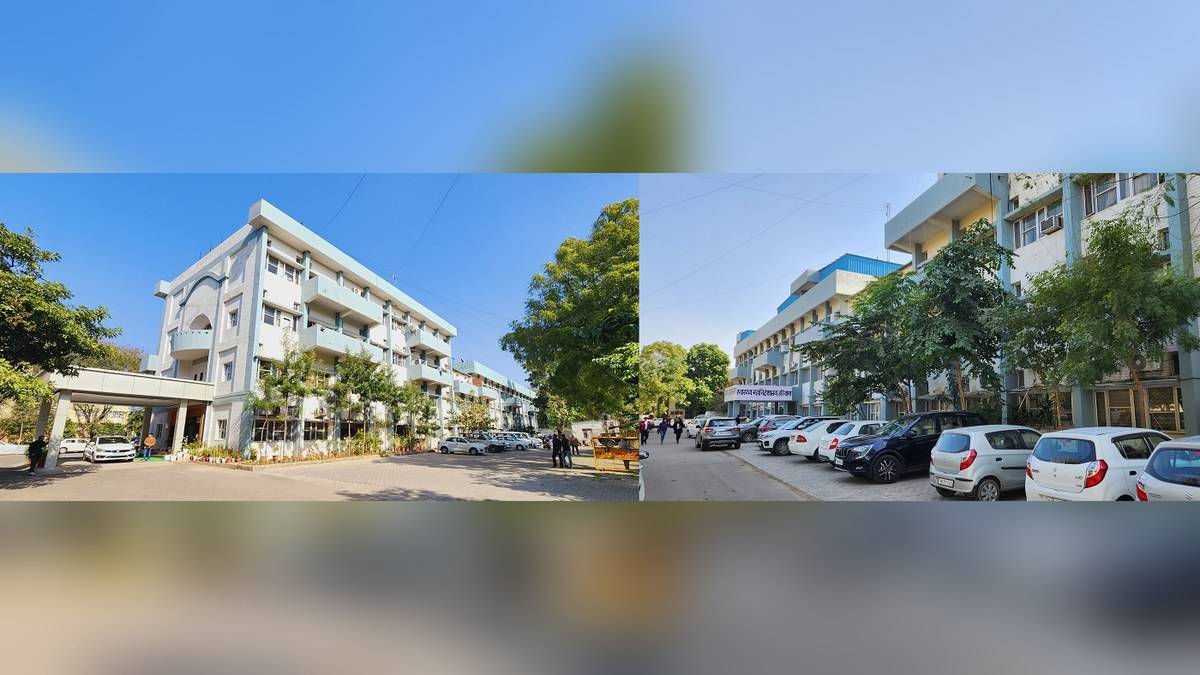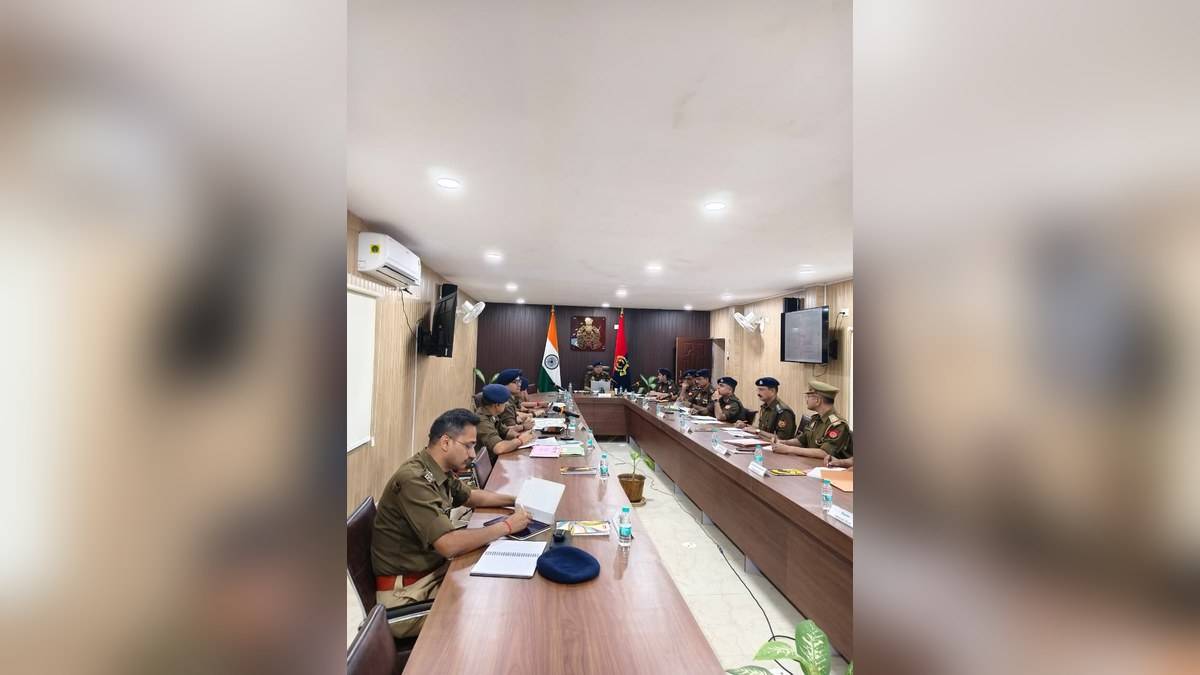
GURUGRAM: Haryana reviewed subsidised treatment arrangements for Shri Sheetla Mata Devi Medical College and its 883 bed teaching hospital in Sector 102 on Tuesday, November 10, 2026. At the Chandigarh meeting, chaired by Chief Minister Nayab Singh Saini, officials received directions covering eligible Ayushman Bharat beneficiaries and patients from families with annual incomes below Rs 5 lakh, according to two reports of the proceedings.
The meeting also brought a direction to establish an AMRIT Pharmacy within the hospital premises. The treatment subsidy and the pharmacy concern different parts of a patient's bill: the first addresses eligible patients' treatment charges, while the second is intended to improve access to lower priced medicines. Neither report supplies a date on which the pharmacy will begin serving patients.
What the hospital review covered
The discussion concerned operation and maintenance of the medical college and teaching hospital. Industries and Commerce Minister Rao Narbir Singh and Cooperation Minister Dr Arvind Kumar Sharma joined through video conferencing. The reported directions covered special treatment provisions for the identified beneficiary groups, alongside arrangements for making medicines affordable for patients and their attendants.
The two reports agree on the annual family income threshold of less than Rs 5 lakh. They do not provide a percentage subsidy, a treatment tariff, a document checklist or an application route for the hospital arrangement. Residents therefore have a stated eligibility outline, but the published accounts do not establish what a particular consultation, admission or procedure would cost an individual patient.
Medical education was also part of the review. Officials discussed student admission arrangements, seats and the fee structure, and received directions on the college's academic administration. The accounts do not announce an admission opening date or publish a new student fee table. The hospital's treatment provisions should consequently be read separately from the college's admission process.
Official procurement record confirms the scale
The Haryana government's official procurement record identifies the project as a 150 seat medical college and an 883 bed teaching hospital. The procuring organisation is the Gurugram Metropolitan Development Authority's Infrastructure I division, and the stated purpose is operation and maintenance through a public private partnership.
The record carries tender reference Job no.02/2026/GMDA and tender identifier 2026_HRY_530295_1. Its detailed page places the work at Sector 102A, Gurugram, while the project title and the meeting reports use Sector 102. These are the location descriptions in the respective records; the procurement entry does not describe a separate hospital announcement.
When checked on November 11, the detailed tender page listed November 12, 2026, at 5 pm IST as the bid submission and document download deadline, with bid opening on November 13 at 11 am IST. Those times concern procurement. They are not patient registration hours, a hospital inauguration date or the start of the subsidy arrangement. The page also identifies the GMDA office in Sector 44 as the bid opening location.
- Hospital: 883 beds in the official project description.
- Medical college: 150 seats in the procurement title.
- Review meeting: November 10, 2026, in Chandigarh.
- Identified groups: eligible Ayushman beneficiaries and patients from families earning below Rs 5 lakh annually.
- Pharmacy direction: establish an AMRIT outlet on the premises.
What AMRIT means for the proposal
HLL Lifecare's official description expands AMRIT as Affordable Medicines and Reliable Implants for Treatment. It describes a pharmacy network developed under the Union Ministry of Health and Family Welfare, supplying medicines, implants, surgical disposables and other consumables. This explains the kind of outlet proposed at the Gurugram hospital; it does not confirm that a local outlet has opened.
HLL says its outlets operate in partnership with central and state medical institutions and can follow different operating hours according to the partner institution's requirements. Its network description includes generic and branded medicines under one roof. Any eventual Sector 102 schedule, stock availability and item specific price would need confirmation from that outlet rather than assumptions based on the national network.
For separate local healthcare context, earlier coverage explains Chirayu income and contribution rules, the separate hospital development plan and the work order for district health centres. Those reports concern their own schemes and projects. The new development here is the November 10 review of treatment access and medicine supply at the Sector 102 teaching hospital.