
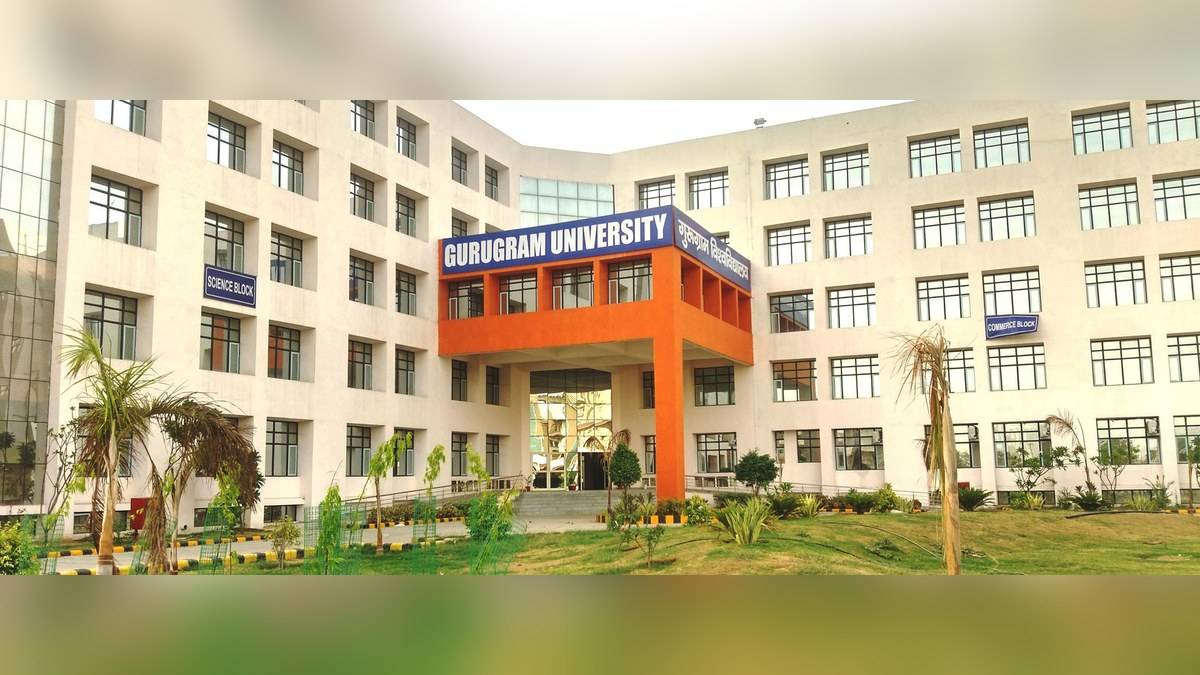
GURUGRAM: Haryana's Chief Minister and the Union housing minister asked local bodies to strengthen their own revenues and maintain public assets at a two-day national conference that opened at Gurugram University in Sector 51 on Monday, November 23, 2026. The discussions concern how village panchayats and municipalities finance and deliver everyday services, including water supply, sanitation, roads and sewerage.
The Swarn Jayanti Haryana Institute of Fiscal Management organised the conference on the transfer of powers, financial sustainability and service delivery. Official accounts of the opening session were posted at 6:27 pm and 6:28 pm IST on November 23. The event brings those questions to a city where municipal maintenance and expanding infrastructure are regular concerns for residents.
Revenue proposals focus on water and public property
Chief Minister Nayab Singh Saini said local institutions should develop income sources alongside government funding. In the official account of his address, he identified water conservation, collection of water bills and better use of local resources as subjects requiring attention from elected representatives.
Saini said the Haryana government had decided to provide villages with a matching grant equal to the amount collected through water bills. The account does not set out an application process, a release timetable or a village-by-village allocation. It therefore establishes what the Chief Minister said about the decision, without providing enough detail to calculate a particular panchayat's entitlement.
For municipalities, he listed sanitation, drinking water, roads, sewerage and basic facilities as priorities. He also said Gram Sabha priorities should inform panchayat work plans. His appeal to representatives attending the conference was to produce practical suggestions that could be implemented, rather than leave the discussion at the level of general support for decentralisation.
Union Minister for Power and Housing and Urban Affairs Manohar Lal addressed the same session. The separate official release on his remarks says he stressed that local bodies need adequate financial resources, powers and staff because their representatives deal directly with residents' problems.
He suggested using panchayat land, buildings and ponds to generate regular income. The examples included transparent leasing at appropriate rates, fisheries in ponds, rental buildings and markets. He also asked representatives to consider whether money held in fixed deposits could instead help create assets yielding income over a longer period. These were proposals for local institutions to examine, rather than a list of newly approved Gurugram projects.
Maintenance gets a place in the discussion
Manohar Lal proposed a monthly day of voluntary community work in villages. He said the Gram Sabha should decide the tasks in advance, with examples including school repairs, painting walls, cleaning lanes and village peripheral roads, looking after ponds and planting trees.
He also called for caretaker arrangements for village schools, community buildings and other shared property. To illustrate the idea, he referred to 15 village caretakers appointed in the Karnal parliamentary constituency and a portal through which residents can send photographs of damage to the relevant department.
That example concerned Karnal. The release does not announce that those 15 posts have been created in Gurugram, or that a new Gurugram complaints portal has opened. The local significance of the proposal is the emphasis on keeping public property usable after it is built, with maintenance responsibilities alongside new spending.
- Venue: Gurugram University, Sector 51.
- Opening date: November 23, 2026.
- Organiser: Swarn Jayanti Haryana Institute of Fiscal Management.
- Subjects: powers for local institutions, sustainable finances and public services.
- Next step described by the Chief Minister: practical suggestions from the two days of discussion.
What residents can take from the opening session
The state account records proposals and policy statements, but does not provide a new municipal tax schedule, a revised water tariff or a list of sanctioned works for Gurugram wards. Residents should look for a subsequent notification or implementation order before treating conference remarks as a change to a household bill or a service deadline.
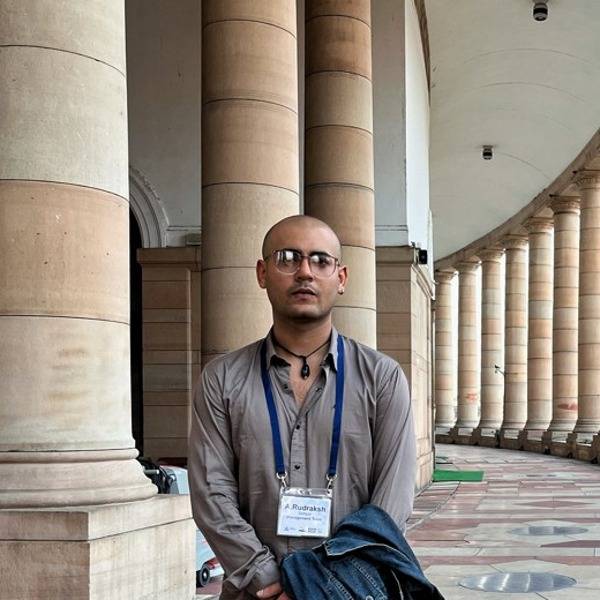
Development and Panchayats Minister Krishan Lal Panwar, Urban Local Bodies Minister Vipul Goel and institute director general Raj Nehru attended. The official account also lists representatives from Gurugram, Pataudi and Sohna, along with university and district officials and delegates from other states.
For the city, the discussion sits alongside existing questions about who checks work and who is responsible when services fail. Earlier local reports covered councillor scrutiny of cleaning staff and work bills, weekly road-cleaning inspections and the requirement to identify officers responsible for pollution plans. Those are separate administrative actions, not decisions taken at this conference.