Gurugram Dengue Count Reaches 13 After Three New Cases
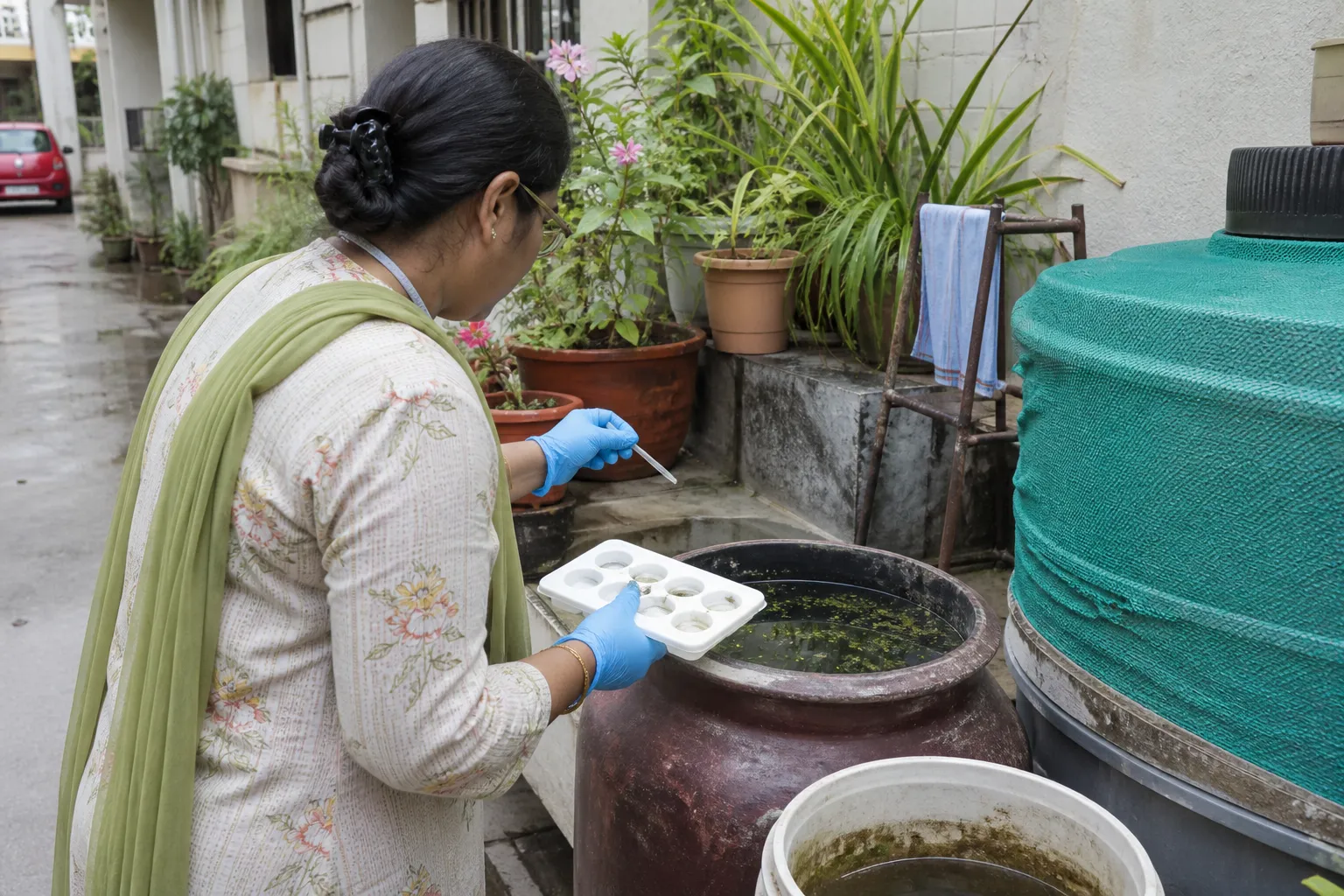
Three new dengue infections have taken Gurugram's count to 13 this year, prompting the district health department to step up surveillance after heavy rain left standing water across the city. No dengue-related death has been reported in the district so far, officials said.
Health teams surveyed 14,537 homes on Thursday under the rapid fever mass survey and collected 93 samples from people suspected of having dengue. The cumulative number of samples tested this year reached 4,404. The district was also monitoring four active malaria cases, adding to the monsoon-season workload for field and laboratory teams.
The case count remains limited compared with a large outbreak, but the conditions for transmission have expanded. Water collected in construction sites, clogged drains, roof corners, plant trays, coolers and discarded containers can become breeding space after only a few days. The Aedes mosquito that transmits dengue often breeds in relatively clean stagnant water close to homes, not only in visibly dirty drains.
Authorities have issued 1,073 notices under Section 214 of the Haryana Municipal Act to premises where mosquito-breeding conditions were detected. A notice records a preventable risk; it should not be confused with a confirmed illness at that address. Follow-up inspections are important because an initial clean-up has little value if containers refill after the next shower.
Residents can reduce risk with a short weekly check. Empty and scrub water containers, keep tanks covered, change cooler water, clear balcony drains and remove objects that trap rain. Full-sleeved clothing, window screens and appropriate repellents help reduce bites, especially around dawn and late afternoon when Aedes mosquitoes are active.
Symptoms such as sudden fever, severe headache, pain behind the eyes, body ache, nausea or rash warrant medical advice. People should avoid self-medicating with aspirin or ibuprofen when dengue is suspected because of bleeding risk; a clinician can advise safe fever management and whether testing is needed. Warning signs including persistent vomiting, abdominal pain, bleeding, unusual drowsiness or breathing difficulty require urgent assessment.
The administration should pair household notices with work at public hotspots. Construction projects need accountable site supervisors, while civic teams must clear blocked drains and abandoned waste that holds water. Schools, markets and offices can appoint one person to complete a weekly breeding checklist rather than waiting for fogging after cases appear.
Fogging has a role in targeted adult-mosquito control, but it is not a substitute for removing larvae and stagnant water. Gurugram's next few weeks will be determined by how quickly agencies and residents interrupt that breeding cycle. The current figure of 13 is a warning that calls for steady prevention, not panic and not complacency.
Sources and reporting
Based on Gurugram district health department surveillance figures, rapid fever survey data, laboratory testing and mosquito-breeding notices issued during the monsoon.
Related Stories

CAG Flags Rs 949 Cr HSPCB Sewage Gap

HHRC Orders Citywide Drainage Audit
MCG Fines 32 Shopkeepers Rs 91,500

MCG Contractors Allege Bribes After Arrest
Garbage Piles Persist in Sectors 3, 5 and 6