Flow Neuroscience’s FL-100 at-home depression headset now on US prescription
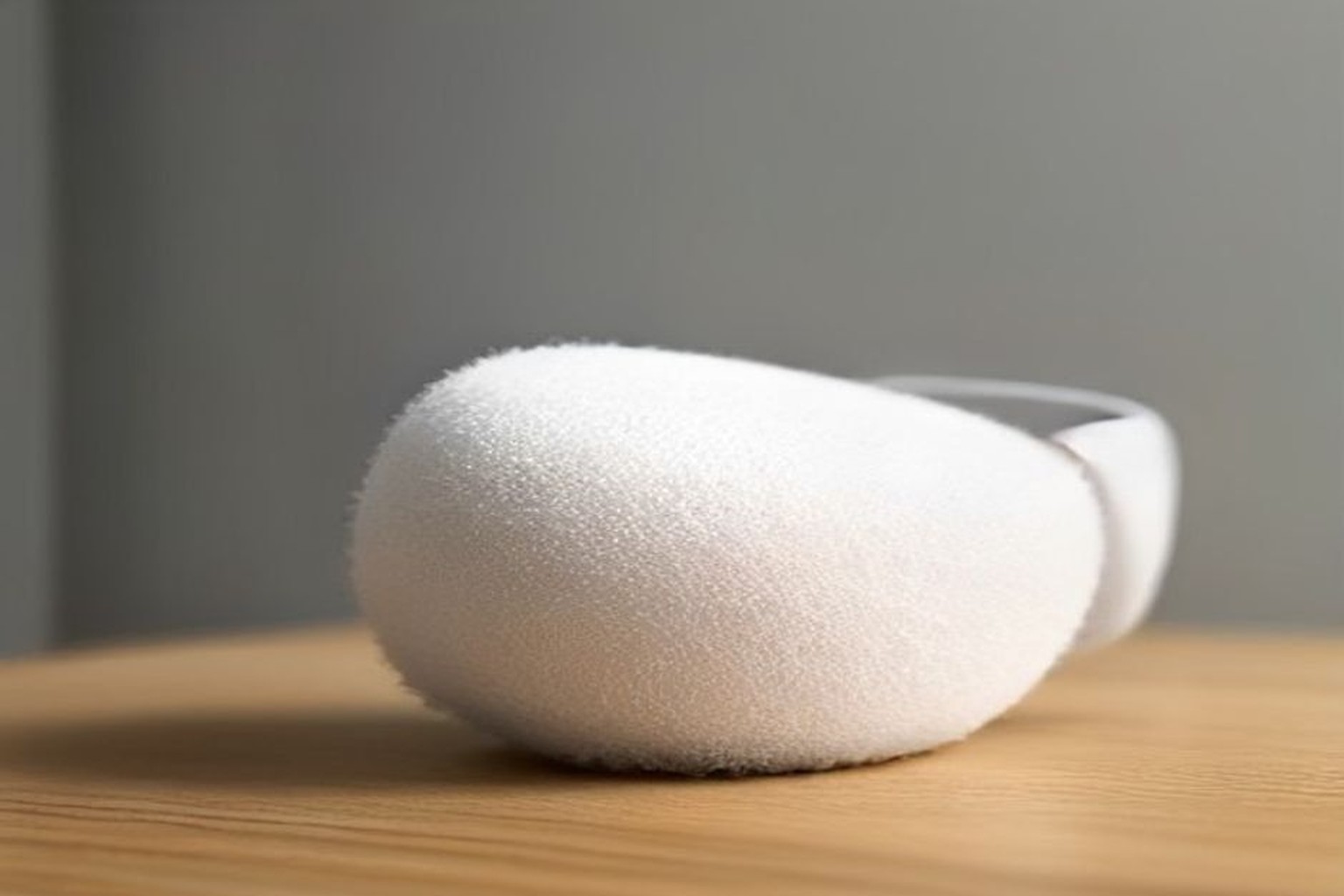
STOCKHOLM / NEW YORK: Flow Neuroscience’s FL-100 headset is now available by prescription across the United States, the Swedish neurotechnology company says, putting an FDA-approved at-home transcranial direct current stimulation (tDCS) option in front of clinicians treating adults with moderate to severe major depressive disorder.
The device, branded as Flow Treatment in US materials, ships after a licensed healthcare professional writes a prescription. Flow’s US pages say availability began on 1 September 2026. The company later confirmed the nationwide prescription launch in mid-September. It has not announced India pricing, distribution or regulatory clearance for this product; for Indian readers, this is a United States market story.
What FL-100 is and who it is for
FL-100 is a cranial electrotherapy stimulator cleared under FDA Premarket Approval P230024. The FDA’s public approval record, with a decision date of 8 December 2025, states the intended use: treatment of moderate to severe major depressive disorder in the current episode, either as monotherapy or as an adjunctive treatment, in patients aged 18 and older who are not considered treatment refractory to medication.
At a high level, tDCS delivers a low-intensity direct current through electrodes on the scalp. Flow’s materials describe the headset applying a gentle current to the left dorsolateral prefrontal cortex, a brain region linked to mood regulation, while a companion app supports session delivery, symptom tracking and clinician monitoring. Patients cannot freely rewrite stimulation settings; the clinical protocol is built into the closed system, according to the company’s own safety explainers.
Access is prescription-only. Adults can speak with their own clinician or, where offered, complete an eligibility check and virtual consult through Flow Care, a telemedicine pathway the company says is delivered by independent licensed professionals. If prescribed, the company says the kit is shipped to the patient’s home. On the clinician side, Flow asks US providers to register with an NPI number, finish a short online certification (typically under an hour, the firm says), then prescribe through an electronic health record formulary so a partner pharmacy can fulfil the order.
Flow has not published a clear public US list price on its patient pages. Clinician materials point pricing queries to a clinical contact address rather than a consumer tag. Older UK shop figures on Flow’s international site should not be read as the American prescription price.
Trial claims, safety notes and the India gap
On its US patient site, Flow highlights a pivotal 10-week, multisite, double-blind, randomised sham-controlled trial. The company states that 57.5 per cent of participants in the active group achieved remission at 10 weeks, with remission defined as a MADRS score below 10 — a secondary endpoint. It also notes the primary endpoint: a between-group mean difference of –2.3 points on the HDRS-17 score in favour of active treatment. Those figures come from Flow’s own product copy citing the Empower study published in Nature Medicine; they are company-presented trial results, not independent Dalimss testing.
Flow says more than 66,000 patients have been prescribed the treatment internationally since 2019, and that the headset is authorised for marketing in the UK, Europe and Australia in addition to the US approval. Real-world overseas use is not automatically comparable to US labelling.
Safety language on the US pages is cautious. Reported side effects in clinical studies were generally mild and transient: skin dryness, irritation or redness with prolonged use, transient headache, and stinging, burning or itching at the stimulation site. Skin burns have been linked to reused or dried-out electrode pads, which the company says are not recommended. Anyone considering the device still needs a clinician’s judgment; depression care is not a gadget impulse buy.
For Indian readers tracking digital therapeutics and home neuromodulation, the practical takeaway is narrow. FL-100 is a US prescription launch after FDA PMA, with telehealth and partner-pharmacy fulfilment aimed at American clinicians. There is no official Flow statement yet on CDSCO pathways, Indian hospital formularies or local pricing. Until that changes, Indian patients should treat overseas headlines as context, not as a product they can order tomorrow.
Sources and reporting
Flow Neuroscience US patient and clinician product pages confirming September 2026 prescription availability and access pathways; FDA Premarket Approval listing P230024 for Flow FL-100 (decision date 8 December 2025); company indication, safety and trial summary statements on flowneuroscience.com and flowneuroscience.us.
Related Stories

Devialet brings Phantom Ultimate Pulse Blue to India at Rs 2.4 lakh
Google Vids now lets anyone make free HD AI videos with Omni 1.1
Qualcomm renews global patent licence with Apple from April 2027
GalaxEye gets Rs 63.84 crore to build all-weather OptoSAR satellite

Akamai signs $11.6 billion cloud deal with Anthropic