
Google to launch first TPU satellite test under Project Suncatcher
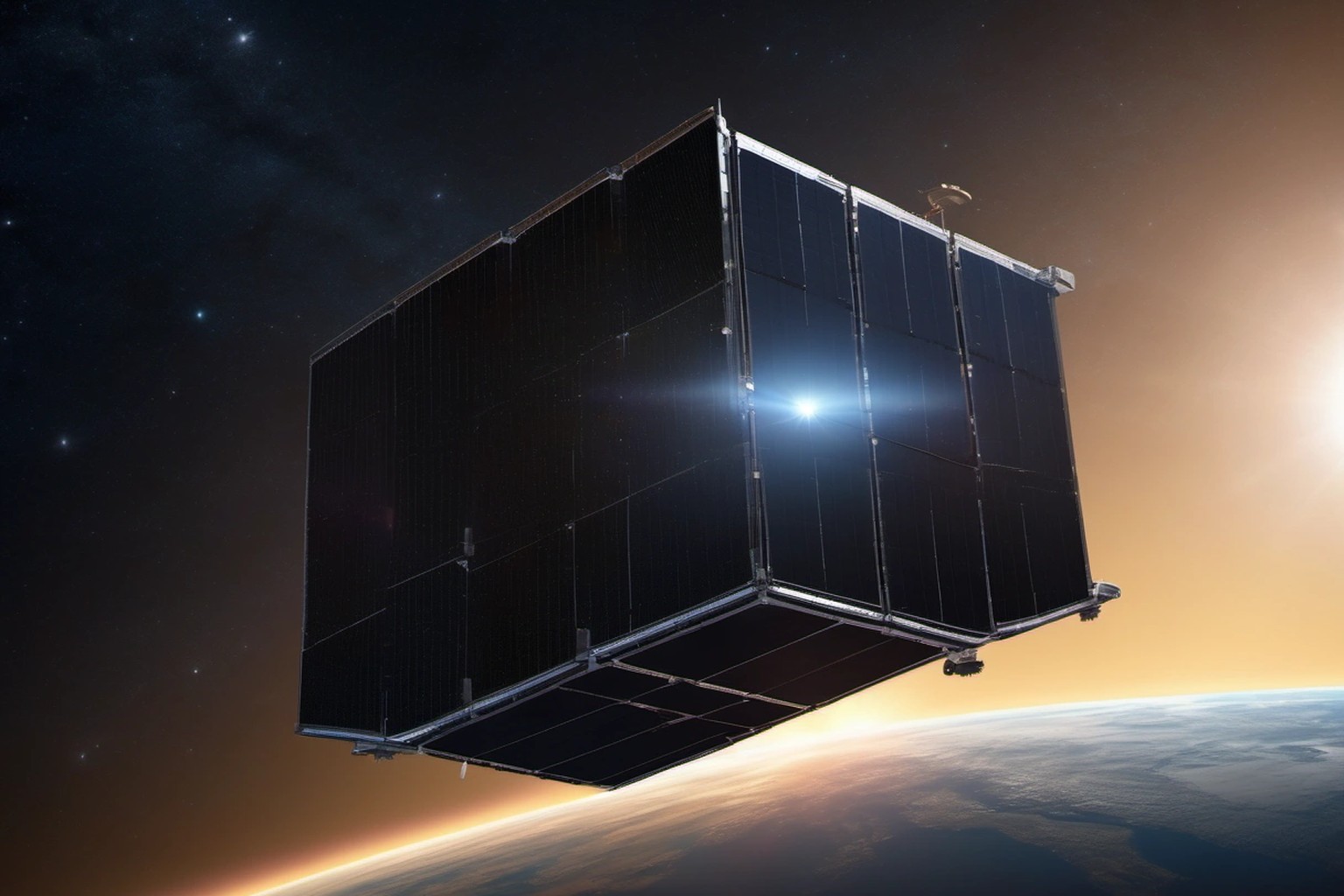
Google is about to find out whether its AI chips can survive space. The company said on Thursday that Project Suncatcher, its research effort to explore running machine learning infrastructure in orbit, will launch its first prototype satellite next week carrying Google Tensor Processing Units (TPUs).
The satellite will fly on the upcoming Transporter-18 rideshare mission with SpaceX and was developed in partnership with satellite company Planet. Google describes the flight as a hardware test, not a demonstration of an orbital data centre.
Why put AI chips in orbit
The idea behind Suncatcher, first announced last year, is about power. In low Earth orbit, satellites can get near-constant sunlight and generate up to eight times more solar power than panels on the ground, according to Google. With AI data centres now straining electricity grids, the company wants to know whether clusters of satellites could one day share large AI workloads.
That is a long way off. This first mission asks a simpler question: can a TPU work reliably after a rocket ride and while exposed to radiation and extreme temperatures.
What Google has tested on the ground
The launch itself is violent. Google says a trip to low Earth orbit lasts about 10 minutes, with sustained loads up to 10 times the force of gravity, and individual components such as TPU chips can see 50 to 100 g. The team shook the satellite on all three axes to mimic launch vibrations, and the company says the hardware held up better than it expected.
Radiation is the next hurdle. Cosmic rays and solar events can flip bits and corrupt calculations. Google tested TPUs in a proton beam at UC Davis's Crocker Nuclear Laboratory while running AI workloads, and says its Trillium TPUs survived a total ionising dose greater than they would receive over a five-year space mission.
Cooling is the third problem, and possibly the hardest. TPUs produce a lot of heat in a small area, and in a vacuum there is no air to carry it away. Heat can only leave through radiators. Google is testing a combination of heat pipes and radiators, which has so far been checked in a thermal vacuum chamber. The orbital flight will show whether the design works in the real environment.
What comes after
Future satellites would each carry dozens of TPUs and fly in tight clusters, linked by lasers that must hold very high bandwidth over short distances. Google compares the precision required to hitting a coin-sized target from miles away while both ends are moving. It plans to test those links in 2027 with two satellites in orbit.
Google is not alone in this. Several companies have floated orbital data centre plans, attracted by the same promise of abundant solar power. Launch costs, satellite production volumes and repair are all serious obstacles, and Google itself describes Suncatcher as a long-term moonshot.
For India, the story has two angles. The country is trying to build domestic AI compute under the IndiaAI Mission while also opening its space sector to private launch and satellite firms. A proven model of compute in orbit, if it ever arrives, would sit at the meeting point of those two ambitions. For now, the first data from next week's flight will tell Google whether the chips even make it through their first days in space.
Sources and reporting
Google blog post "Behind Project Suncatcher, our moonshot to put AI in space" dated 24 September 2026, describing the first in-orbit prototype launch on the Transporter-18 rideshare mission developed with Planet, and ground test results.
Related Stories

Devialet brings Phantom Ultimate Pulse Blue to India at Rs 2.4 lakh

Google Vids now lets anyone make free HD AI videos with Omni 1.1
Qualcomm renews global patent licence with Apple from April 2027
GalaxEye gets Rs 63.84 crore to build all-weather OptoSAR satellite

Akamai signs $11.6 billion cloud deal with Anthropic