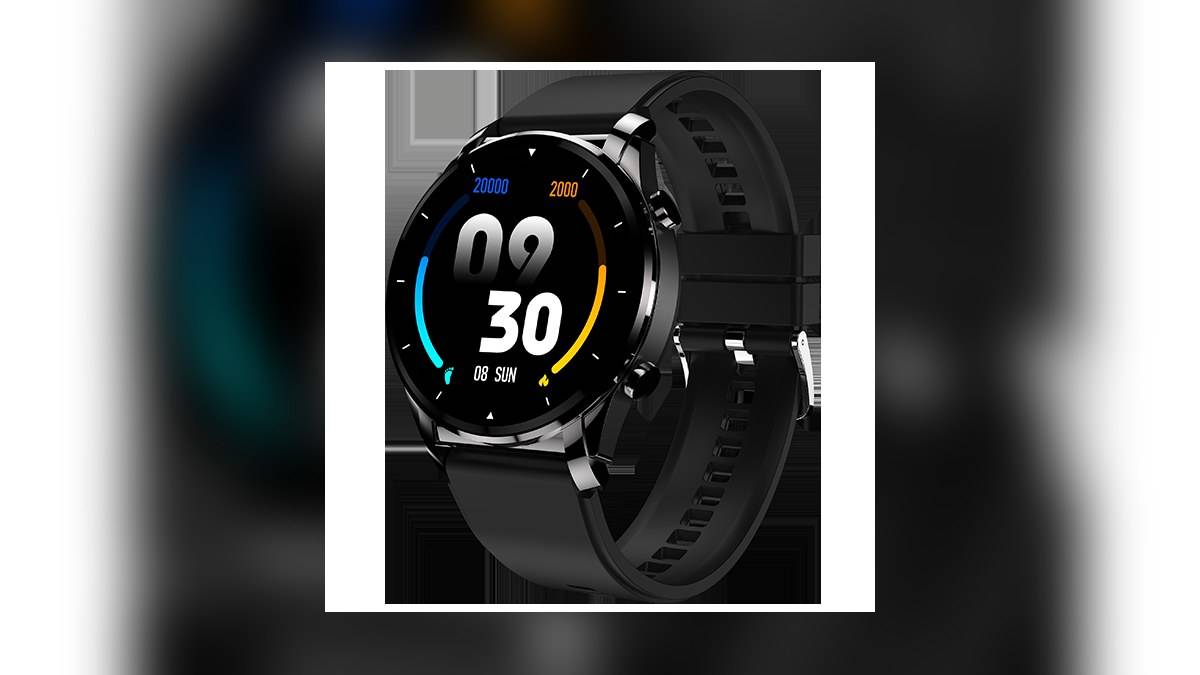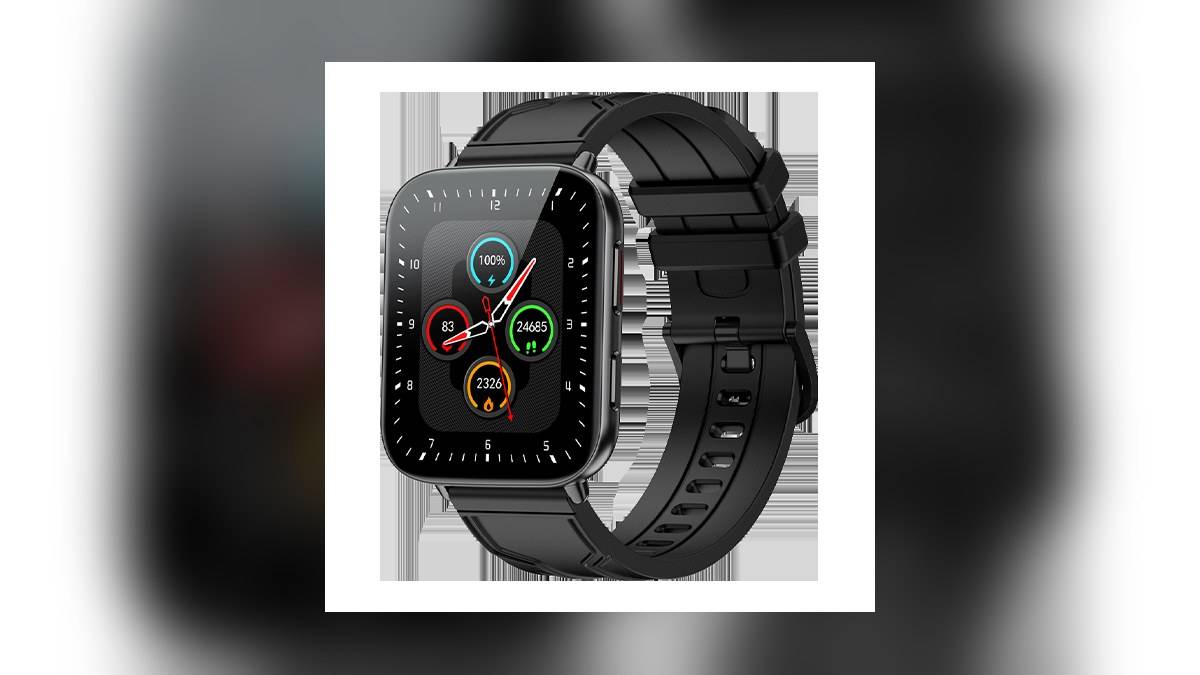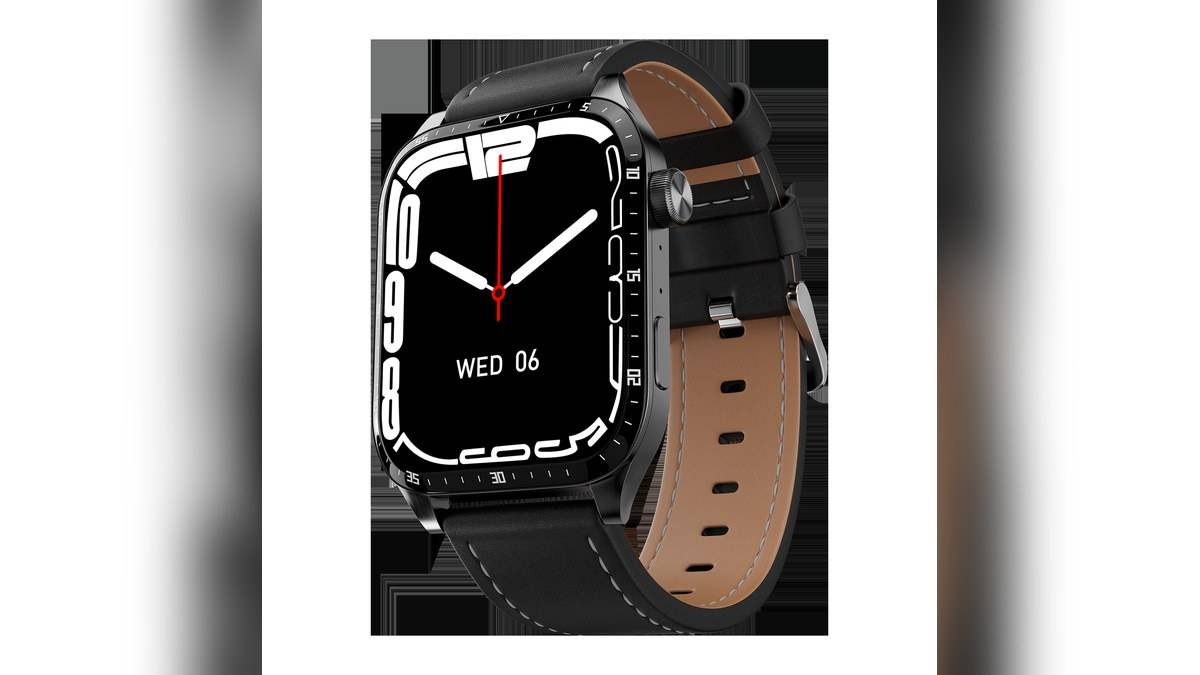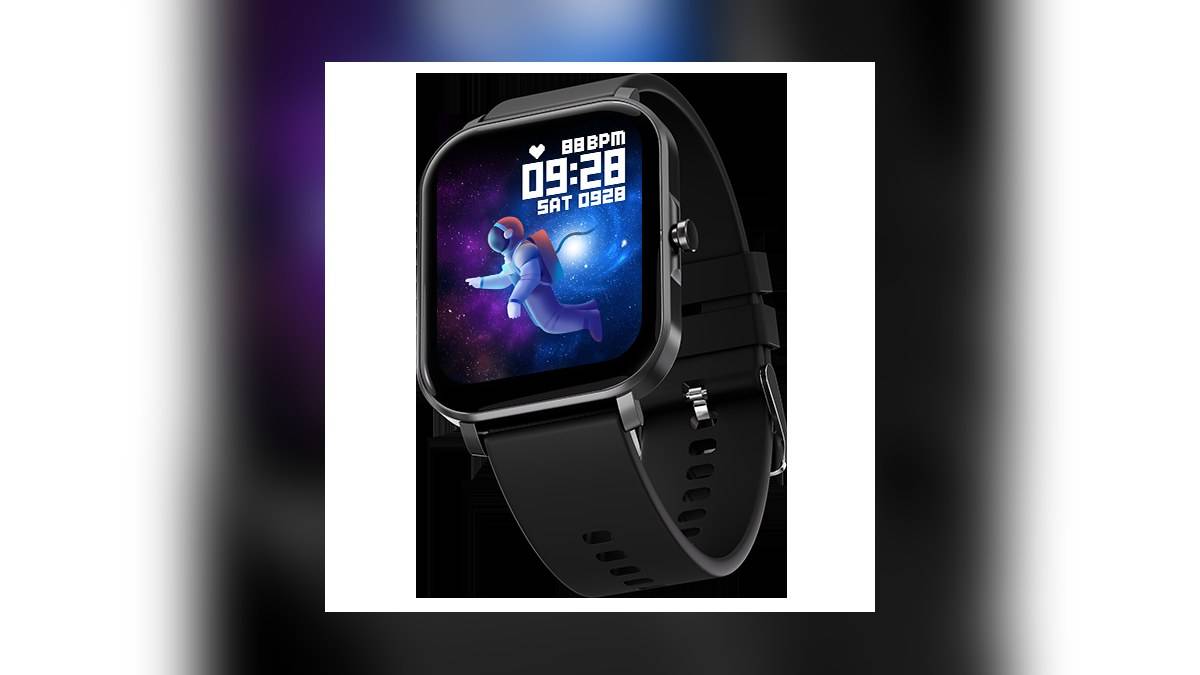

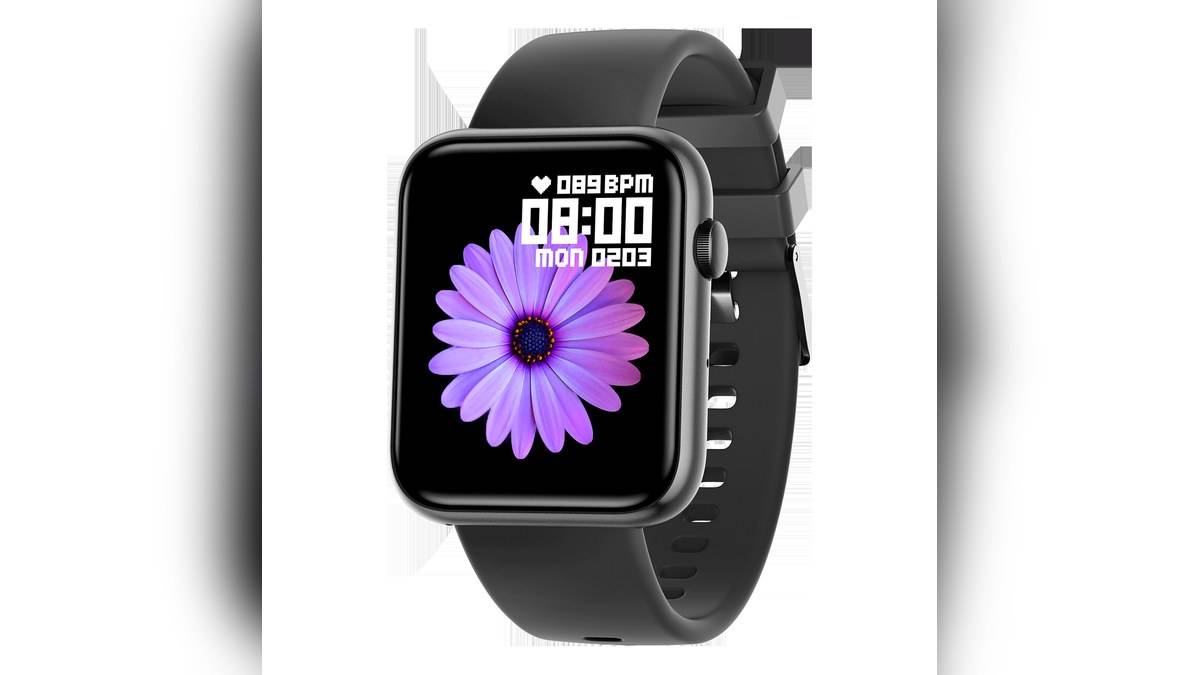
NEW DELHI: Fire-Boltt Saturn is listed at Rs 3,999 across six finishes on the official India product page. Its specification centres on an always-on AMOLED display and Bluetooth calling. All six colour records are marked unavailable, so the price does not establish immediate purchase availability.
| Item | Official listing |
|---|---|
| Black | Rs 3,999 |
| Blue | Rs 3,999 |
| Gold Black | Rs 3,999 |
| Dark Grey | Rs 3,999 |
| Silver | Rs 3,999 |
| Pink | Rs 3,999 |
| Listed selling price | Rs 3,999 per colour |
| Finishes | Black, Blue, Gold Black, Dark Grey, Silver, Pink |
| Screen | 1.78-inch always-on AMOLED, 368 x 448 pixels |
| Connectivity | Bluetooth 5.0 calling |
| Battery claim | 5 to 7 days normal mode; standby duration not used because page sections differ |
| Fitness menu | More than 110 sports modes |
| Protection | IP67 |
| Availability | All six colour records marked unavailable |
What changes with the finish?
Fire-Boltt lists Saturn's colours at a common selling price. The official embedded records attach the same amount to every finish, without establishing a separate premium hardware version. The page also shows an inclusive-tax MRP of Rs 17,999, which is not the selling amount quoted here.
The finish choice is consequently about appearance within this listing, rather than a verified upgrade in screen or calling equipment. If the watch returns to sale, check the selected colour and supplied strap carefully.
All listed colours are currently marked unavailable in the fetched page. The price is therefore a manufacturer-listing reference, not a promise of delivery. No new launch, price-revision announcement or confirmed restock schedule was established in the official material used for this guide.
Always-on AMOLED is the central feature
Fire-Boltt's official Saturn page describes a curved AMOLED display with an always-on option, Bluetooth calling, voice assistance and health tracking. The screen and calling combination is the clearest way to understand the model, before considering the longer list of activity labels and convenience functions.
An always-on option matters to someone who mainly wants to glance at the time between other tasks. The specification establishes that the feature is offered; it does not establish how long the battery lasts with every display setting enabled.
The stated resolution helps identify the panel, but it cannot replace a hands-on readability check. A densely decorated watch face can still be harder to interpret than a simple one. For a watch used during a workday, clarity of the time and the most important alert is a sensible starting point for personalisation.
Calling and normal use need separate expectations
Saturn advertises Bluetooth calling. It should be considered a connected feature rather than a promise of independent telephone service. The page read for this report does not establish a separate mobile subscription or justify assuming that calls will work when the paired handset is left behind.
That distinction is especially relevant when considering exercise. A person wanting to answer a call while the phone remains nearby has a different requirement from someone wanting a fully phone-free outing. The existence of a sports menu does not, by itself, answer either question about connectivity.
The normal-mode battery range describes a different usage condition from standby. The page gives inconsistent standby durations, so no single standby number is relied on here. Standby should not be substituted for the experience of regularly checking the screen, using calling and reviewing records. The official amounts are manufacturer estimates, and this guide includes no independent endurance test.
Activity tracking and practical limits
The watch lists sleep, heart-rate and blood-oxygen monitoring alongside its sports modes. These can help arrange daily wellness records, but a retail feature list does not establish clinical accuracy. This report does not adopt the promotional suggestion that an oxygen reading alone tells someone what health action to take.
The protection rating in the table follows the official page's dedicated water-resistance section, which describes rain and splashes. Although swimming appears in its promotional activity examples, that mention should not be treated as a separate certification for swimming use. An activity label and a protection statement answer different questions.
This is a useful distinction for Indian readers choosing a watch for a mixed routine of commuting, work and workouts. The relevant questions are whether the display is convenient, whether the phone connection suits the day and whether the intended environment matches the documented protection. A long sports list cannot settle those points.
Rivals and the final checks
The Watch and audio price guide provides another AMOLED reference. Readers can also consult the Ambrane Wise Glaze at Rs 1,599: AMOLED, calling and daily use for finish choices and the Fire-Boltt Legacy guide: Rs 2,499 leather or Rs 2,599 steel for a different round-watch option. These are separate model guides, not promises of equivalent features or current stock.
Saturn's distinctive proposition is straightforward: a rectangular always-on AMOLED screen, phone-connected calling and a broad range of finishes without a listed colour premium. That is a more useful description than treating every feature name as equally important. The right comparison depends on which part of that combination the reader actually needs.
For an existing owner, the official listing helps identify the intended features. For anyone considering a future purchase, availability remains the first unresolved practical point. Recheck the selected colour, included accessories and current terms if an order becomes possible, instead of relying on a notification option as evidence of a reserved unit.
Price as of 26 November 2026, 10:15 IST. Source: Fire-Boltt official Saturn product page. Prices and availability can change.