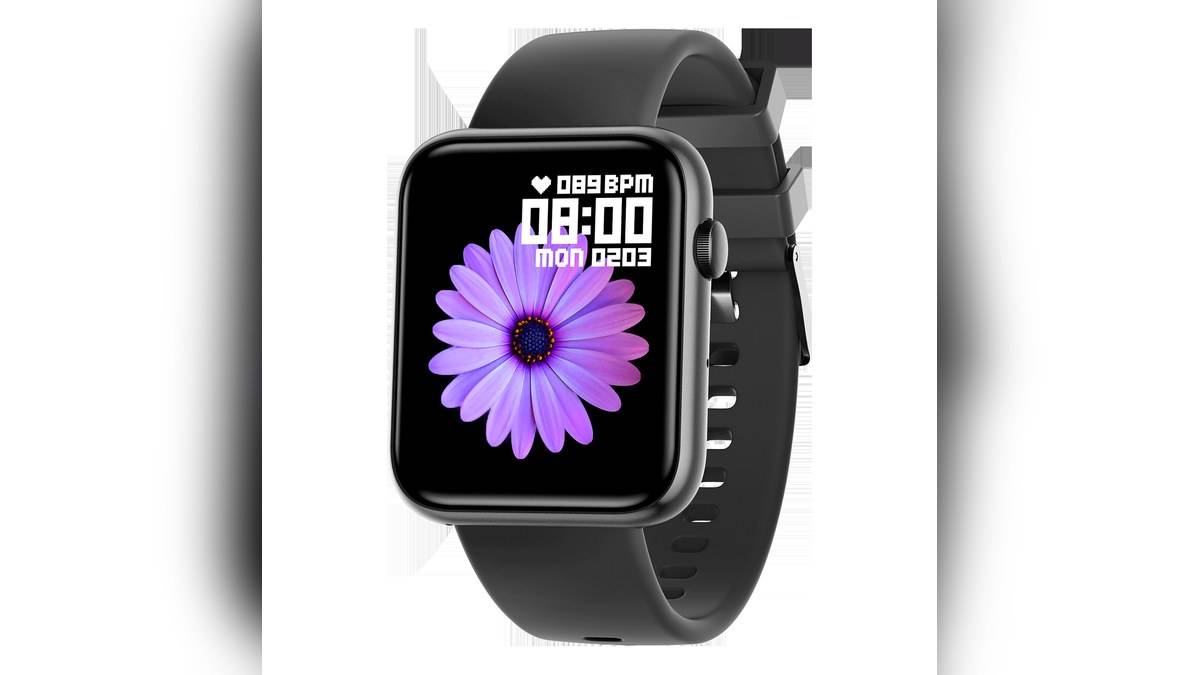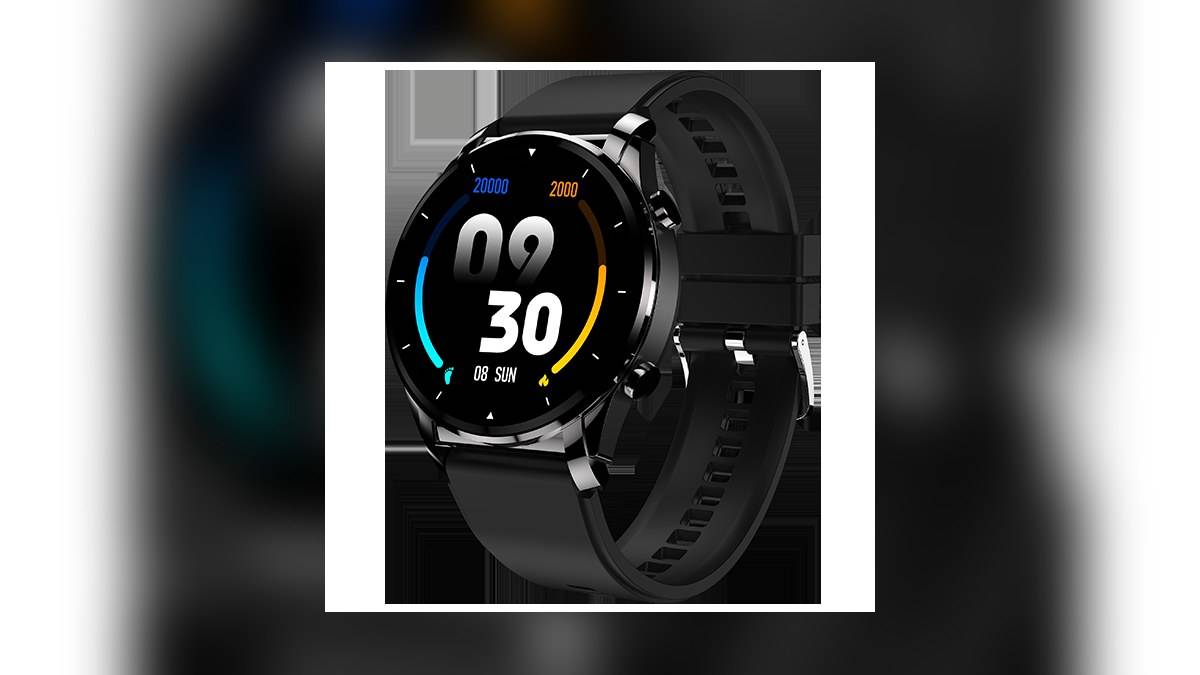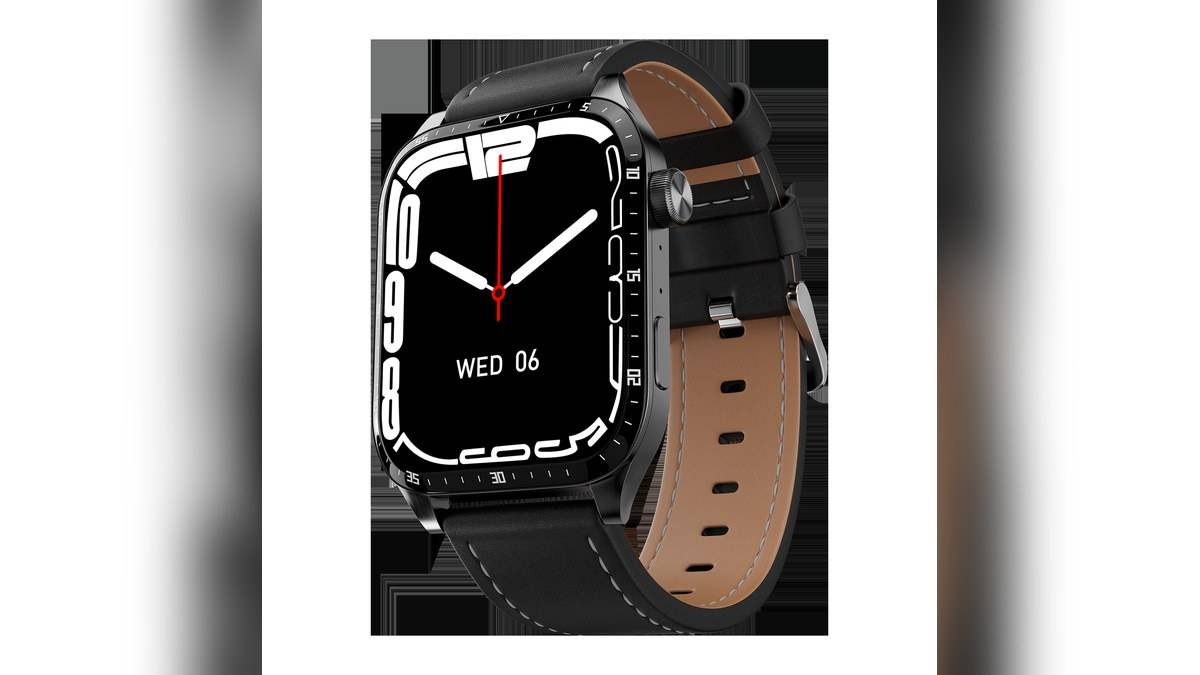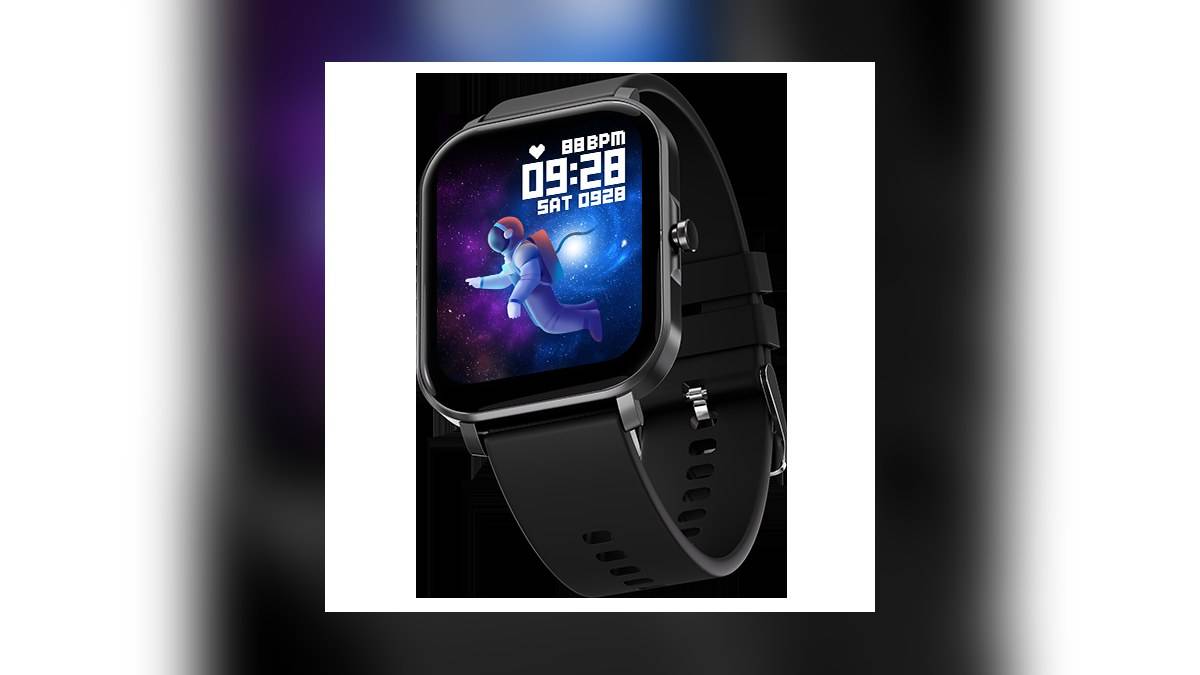

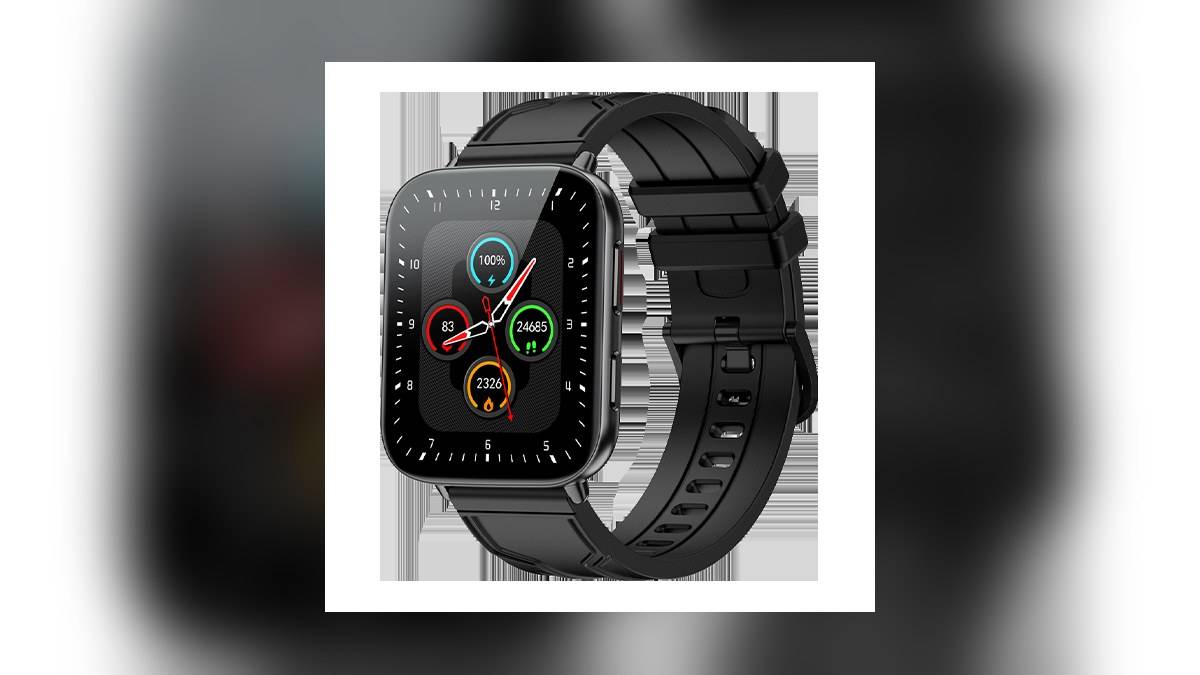
NEW DELHI: Fire-Boltt Max is listed at Rs 2,999 for all its colour options on the official India page. The model pairs an always-on AMOLED screen with fitness records and phone alerts. All listed finishes are marked sold out, so this is a specification and price-reference guide.
| Item | Official listing |
|---|---|
| Black | Rs 2,999 |
| Grey | Rs 2,999 |
| Green | Rs 2,999 |
| Blue | Rs 2,999 |
| Red | Rs 2,999 |
| Pink | Rs 2,999 |
| Astro Navy | Rs 2,999 |
| Sky Blue | Rs 2,999 |
| Listed price, each colour | Rs 2,999 |
| Finishes | Black, Grey, Green, Blue, Red, Pink, Astro Navy, Sky Blue |
| Display | 1.78-inch AMOLED, 368 x 448 pixels |
| Design and display mode | Full metal body; always-on display |
| Battery specification | 10 days typical; up to 30 days standby |
| Activity menu | 13 active sports modes |
| Water rating | 3 ATM |
| Availability | All listed finishes marked sold out |
The price belongs to the watch, not a strap tier
The official Fire-Boltt Max page shows a common selling price across its colour variants. Its embedded records do not establish a more expensive finish or a second hardware tier. The listing also carries an inclusive-tax MRP of Rs 12,999, which should be kept separate from the displayed selling amount.
None of the finishes is marked available. Readers can use the amount as a reference for the brand's listing, but should not take it as evidence of stock or a promised dispatch. This guide does not establish a new launch date, a price cut or an upcoming replenishment.
Why the screen defines Max
Fire-Boltt's Max product page identifies AMOLED, always-on display operation and a metal body as central features. It also lists health tracking, activity records, reminders and phone notifications. That places the screen experience at the heart of the model, rather than making the sports-mode count its principal attraction.
For a reader considering the watch mainly as a timepiece, always-on operation is a concrete question to ask. It can reduce the need to wake the screen simply to check the time. The benefit depends on the owner's routine: a person frequently glancing at the wrist may value it more than someone who mainly opens activity summaries on the phone.
The stated screen resolution is useful for identifying this model correctly, but it is not a hands-on judgement of sunlight visibility or touch responsiveness. No measured brightness result was established from the official material used here. A buyer should avoid treating a display technology label as a guarantee of every aspect of readability.
Notifications and music: know the boundary
Max lists caller information and call rejection. Those are useful distinctions from a watch that explicitly supports speaking through a built-in microphone and speaker. The official Max feature list should not be expanded into a promise of wrist conversations merely because incoming telephone alerts appear on the screen.
The same care applies to music. The manufacturer lists remote music control, while its FAQ says the watch cannot store and play music. Someone wanting to leave a handset at home and listen to tracks from the watch should therefore look for a model that specifically documents local storage and playback.
For daily use, this makes Max more straightforward to assess. Consider whether it gives you the time, notifications and basic controls you want without repeatedly reaching for the handset. An extra connected screen is only convenient if it reduces effort; allowing every phone alert to arrive on the wrist can have the opposite effect.
Battery, activity records and ownership
The battery figures in the table are manufacturer specifications, not independent test results. Standby and typical use are different conditions, and neither establishes endurance with every display option enabled. The official specification identifies magnetic charging, so keeping the correct charging lead with the watch is part of normal ownership.
The page lists heart-rate and blood-oxygen tracking alongside steps, sleep and activity history. These provide a way to organise personal wellness records. This guide does not claim that a particular reading is medically accurate or that the watch can diagnose a condition; those conclusions are not established by a retail specification.
The activity menu is shorter than the enormous mode counts often used to market watches. That is not enough, by itself, to rank its tracking quality. Someone whose routine is mainly walking and a familiar workout should look for relevant modes and useful records rather than assuming the longest menu necessarily serves them best.
Where to compare next
The Watch and audio price guide is another screen-focused reference. The Ambrane Wise Glaze at Rs 1,599: AMOLED, calling and daily use and What Fire-Boltt Brillia offers at Rs 2,199: a full model guide provide other model-specific comparisons. Read each guide for its own connectivity and availability details before drawing a conclusion from a headline price.
Max's useful distinction is the combination of an always-on AMOLED panel and relatively simple connected functions. A reader who mainly wants a conventional-looking wrist display with daily records can evaluate that combination directly. A reader wanting independent phone service or a music library should ask different questions.
The official listing is sufficiently specific to separate those uses, but it is not a substitute for a current order confirmation. Check the selected finish, supplied accessories and actual availability again if the model returns to sale. No restock schedule is supplied by the material read for this report.
Price as of 26 November 2026, 10:15 IST. Source: Fire-Boltt official Max product page. Prices and availability can change.