
Women Allegedly Operated Fake Matrimonial Registration Office in Varanasi
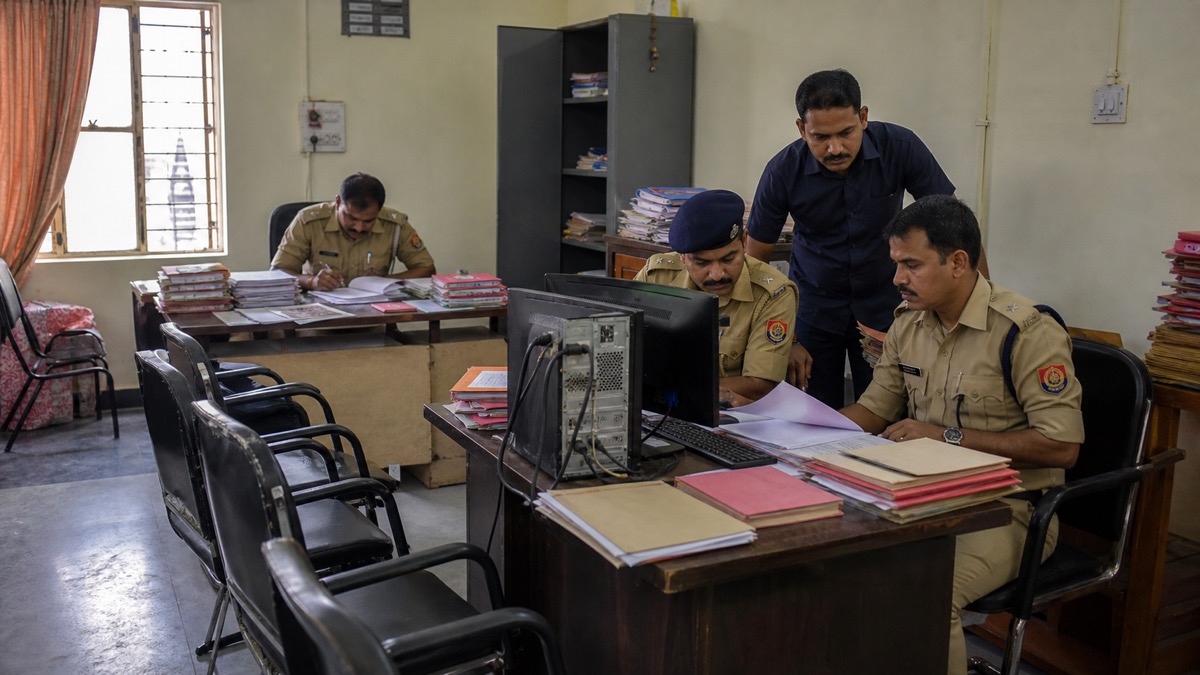
Varanasi: Police are examining allegations that a group of women operated a fake matrimonial registration office in the city, taking money from people seeking marriage matches without providing the promised service. The complaint has placed attention on a sector where personal trust, family pressure and limited verification can make customers vulnerable.
The alleged model is straightforward: present a professional-looking office, collect a registration fee and show profiles that may be incomplete, copied or entirely fabricated. Clients can then be asked for additional payments to unlock contact details, arrange meetings or upgrade membership. By the time a pattern becomes clear, the operators may have stopped answering calls or shifted premises.
Investigators will need to separate poor service from deliberate deception. A matrimonial agency does not guarantee that a marriage will result, but it must truthfully represent its database, fees and refund terms. Evidence of invented identities, repeated false promises, forged records or coordinated efforts to conceal collections would be more relevant to a fraud case than a customer’s simple dissatisfaction.
Digital records could be central. Payment receipts, bank accounts, call logs, advertisements and messaging conversations may show how clients were approached and what they were promised. Police may also seek statements from multiple complainants to establish whether the same script was used repeatedly. Any people accused in the case remain entitled to respond, and guilt can only be determined through legal proceedings.
For consumers, the warning signs include pressure to pay immediately, refusal to provide a written agreement, profiles that cannot be independently verified and demands for repeated fees before any meaningful contact. Families should avoid sharing identity documents, intimate photographs or financial information until they know who controls the platform. A physical office is not proof of legitimacy; company registration, tax details and verifiable references still matter.
Matrimonial fraud carries an emotional cost that can discourage victims from reporting. People may fear embarrassment or blame after admitting that they trusted a false profile. That silence benefits repeat offenders. Police and consumer authorities should offer a process that is discreet and focused on evidence. The Varanasi inquiry will be most useful if it identifies not only individual responsibility but also the methods used, allowing other families to recognise the same pattern before money or personal data changes hands.
If more complainants come forward, police should consolidate the evidence carefully rather than inflate a victim count before verification. A public advisory can describe the alleged business method without publishing private matrimonial details. Consumer protection officials may also examine contracts and advertisements, creating a route for refunds or civil remedies alongside any criminal investigation.
Sources and reporting
Based on local complaint and police-linked reporting published on 14 August 2026. The people named in the complaint are accused, not convicted; the scale of alleged collections is subject to investigation.
Related Stories

Ramnagar Day Three Follows Vishwamitra Into the Forest and Mithila

Shivpur Ramlila Stages Narad Moh and Kshirsagar Tableau Through Rain
VMC Puts City on Alert for Navratri and Durga Puja Civic Arrangements

Chowk Becomes Varanasi's First Police Station With ISO 9001 Certificate

World Tourism Day: Guides Welcome Visitors; Namami Gange Cleans Namo Ghat